Red, reactive skin can turn a simple wax appointment into something you dread. If you have ever left with lingering soreness, patchy redness or that uncomfortable stinging feeling, finding the best waxing for sensitive skin is less about bravery and more about choosing the right method, therapist and aftercare.
“When luxury meets expertise, you feel the difference not just in the room, but in how your skin settles afterwards.”
What is the best waxing for sensitive skin?
The honest answer is that it depends on your skin, the area being treated and how your skin behaves between appointments. For most people with sensitivity, warm strip wax is not always the gentlest option, particularly on delicate areas. A more suitable choice is often hot wax, which sets on the skin and is removed without a strip. Because it grips the hair more than the skin, it tends to feel kinder and can reduce the level of irritation afterwards.
That matters most in areas such as the bikini line, underarms and face, where the skin is naturally finer and more reactive. A good-quality hot wax, applied by an experienced therapist, is often considered the best waxing for sensitive skin because it allows for precise treatment with less repeated pulling.
Sensitivity, though, is not one-size-fits-all. Some clients are not sensitive to wax itself, but to fragrance, heat, exfoliation, active skincare or even timing within their monthly cycle. That is why a personalised approach matters so much. In a premium salon setting, waxing should never feel rushed or generic. Your skin deserves more care than that.
Why sensitive skin reacts so easily
Sensitive skin usually has a weaker barrier function, which means it can lose moisture more quickly and react more strongly to heat, friction and cosmetic products. Waxing combines all three. The wax creates warmth, the removal creates friction, and the skin is suddenly more exposed afterwards.
If your skin is already compromised by dryness, over-exfoliation or potent skincare ingredients, even a technically good wax can feel harsher than it should. Retinoids, acids and some blemish treatments can all increase sensitivity. So can recent sun exposure, shaving between appointments and using heavily perfumed body products.
Hormones also play a role. Many women notice that waxing feels more uncomfortable around their period, during pregnancy or at times of stress. None of this means waxing is off the table. It simply means the treatment needs to be tailored with more thought and professional judgement.
The wax types that usually work best
Hot wax is often the preferred choice for intimate areas and other delicate zones because it adheres firmly to the hair while being gentler on the surrounding skin. For clients who are prone to redness or a burning sensation, this can make a noticeable difference in both comfort and recovery.
Cream-based waxes can also be a good option, especially when they are formulated for sensitive skin. These tend to feel slightly more cushioning than traditional resin-heavy formulas. The quality of the product matters here. Premium waxes are designed to remove hair effectively while helping to minimise trauma to the skin.
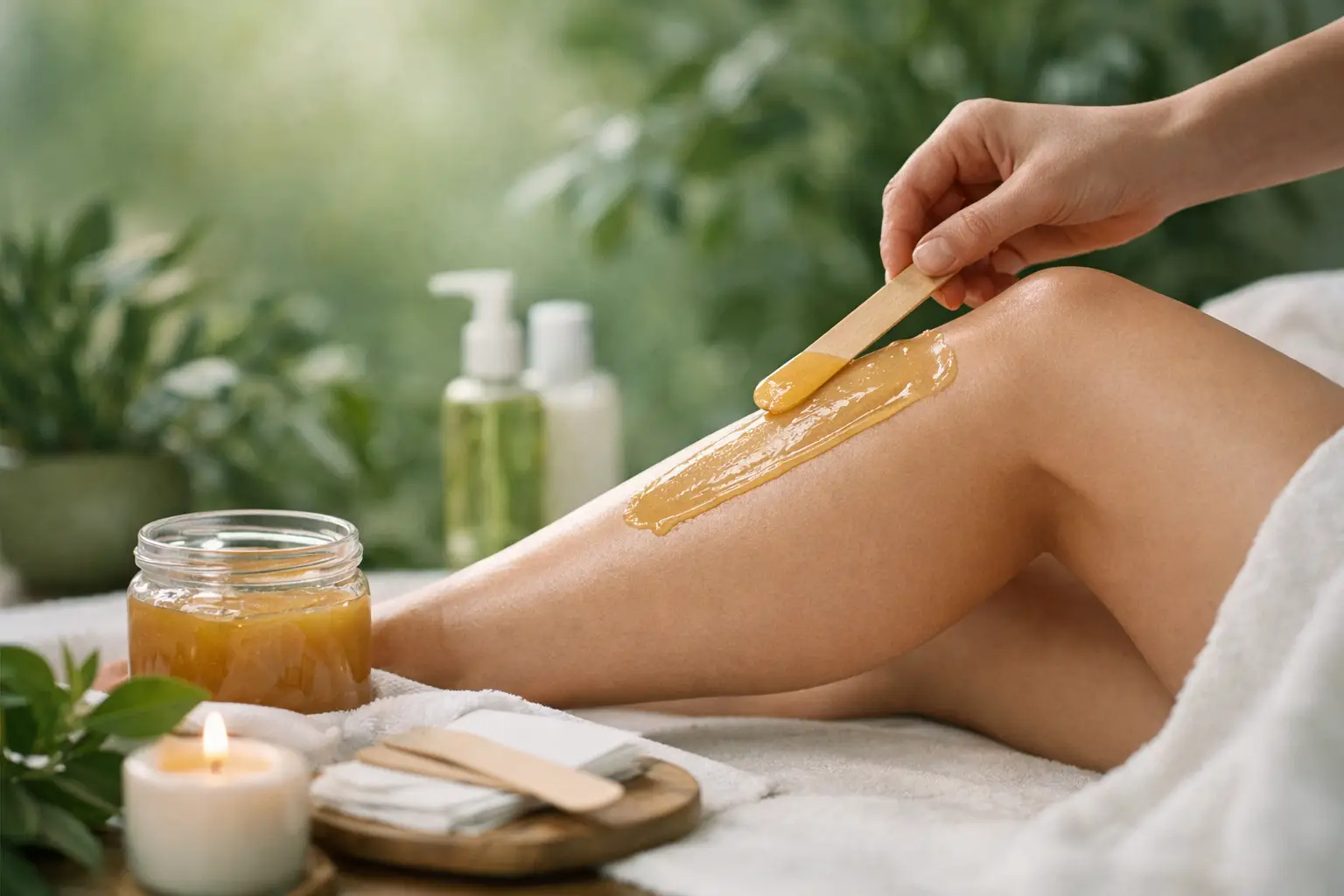
Strip wax still has its place, particularly on larger areas such as legs, where the skin can often tolerate it better and the treatment is more efficient. But technique is everything. Sensitive skin does not always mean every part of the body requires the same wax. A thoughtful therapist will choose according to area, hair type and your skin history rather than following one method for every client.
Best waxing for sensitive skin on different areas
For brows, upper lip and chin, gentleness and precision are essential. Facial skin is often more reactive, especially if you use active skincare, so a low-temperature hot wax is usually the safer option.
For underarms and bikini waxing, hot wax is generally favoured because those areas are prone to friction, heat and ingrown hairs. For legs, a carefully selected strip wax may still work beautifully, especially when the skin is healthy and the hair growth is even.
The best results rarely come from choosing the trendiest wax. They come from matching the wax to the area and to the person.
What makes a waxing appointment feel gentler?
The wax itself is only part of the story. Technique, hygiene and preparation shape the whole experience. A skilled therapist will cleanse the skin properly, check for contraindications, apply the wax at the correct temperature and remove it with control rather than speed alone.
That might sound simple, but poor technique is one of the main reasons sensitive skin flares after waxing. Overworking the same patch, applying wax that is too hot or skipping proper pre- and post-care can all leave skin angry for far longer than necessary.
At a salon level, strict hygiene is also non-negotiable. Clean tools, professional standards and premium products create the conditions for a calmer result. When luxury meets expertise, you feel the difference not just in the room, but in how your skin settles afterwards.
How to prepare sensitive skin before waxing
Preparation begins at home. Avoid retinol, exfoliating acids and strong resurfacing products on the area for several days beforehand unless a professional has advised otherwise. If your skin is sunburnt, broken or unusually dry, it is better to postpone than push through and hope for the best.
Keep the skin lightly moisturised in the days leading up to your appointment, but arrive with the area clean and free from heavy creams or oils. Hair should be long enough for effective removal, usually around a grain of rice in length. If it is too short, the wax may struggle to grip it properly. If it is too long, the treatment can be more uncomfortable.
If you know your skin is especially reactive, mention it before your appointment begins. That small conversation helps your therapist adjust the treatment, choose the most suitable wax and advise you with greater care.
Aftercare matters more than most people realise
The hours after waxing are when sensitive skin needs the most support. Freshly waxed skin is more vulnerable to heat, bacteria and friction, so restraint is helpful. Avoid hot baths, saunas, vigorous exercise and tight clothing for at least 24 hours, particularly after bikini or underarm waxing.
Fragranced body lotions can also be a problem. What normally feels lovely on the skin may sting after waxing. A soothing, gentle post-wax product is usually a better choice than anything heavily scented or active.
If you are prone to ingrown hairs, wait until the skin has settled before introducing gentle exfoliation. Too much, too soon, can turn mild sensitivity into proper irritation. This is where professional advice makes a difference. Good aftercare is never generic. It should suit your skin as much as the wax itself did.
When waxing may not be the right choice
There are moments when even the best waxing for sensitive skin is not the best option for you. If your skin barrier is compromised, if you are using strong prescription skincare, or if you regularly experience severe post-wax reactions, another hair removal route may be worth considering.
For some clients, trimming, threading on certain facial areas or a longer-term treatment plan can be kinder overall. If you find yourself repeatedly reacting despite good products and expert technique, that is useful information, not a failure. The goal is always comfortable, confident results, not forcing your skin into a treatment it does not tolerate well.
Choosing a salon for sensitive skin
If you have sensitive skin, trust matters. You want more than a quick appointment squeezed into a busy diary. You want a calm, polished environment where your comfort is taken seriously, the products are carefully chosen and the therapist understands that skin is individual.
That is often the difference between a wax you simply get through and a treatment that feels considered from start to finish. In areas like Pangbourne, Reading and Tilehurst, many clients are not just looking for hair removal. They are looking for a salon experience that feels clean, reassuring and quietly luxurious, with visible attention to detail.
A good consultation should never feel like an afterthought. Your therapist should ask about allergies, medication, previous reactions and skincare habits. Those questions are not box-ticking. They are what allow the treatment to be tailored properly.
At The Beauty Box Pangbourne, that personalised standard is part of what makes regular beauty maintenance feel more like self-care and less like a chore.
The gentlest waxing experience is not about enduring discomfort for the sake of smooth skin. It is about choosing a method and a professional approach that respects your skin, supports its recovery and leaves you feeling polished, comfortable and confident long after the appointment ends.