Rosacea has a way of making even the most relaxing facial feel like a risk. When your skin flushes easily, stings after new products, or develops persistent redness and sensitivity, the question is understandably personal: does HydraFacial help rosacea? The considered answer is that it can support some rosacea-prone complexions, particularly when dehydration, congestion and a weakened skin barrier are concerns. It is not, however, a cure for rosacea, and the standard treatment is not right for every flare-up or every skin type.
A lovely result starts with restraint. For reactive skin, the goal is never to chase a dramatic exfoliation or a perfectly poreless finish. It is to leave the complexion feeling calm, comfortable, hydrated and cared for.
“For reactive skin, the goal is never to chase a dramatic exfoliation or a perfectly poreless finish.”
Does a HydraFacial help rosacea-prone skin?
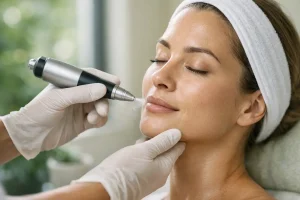
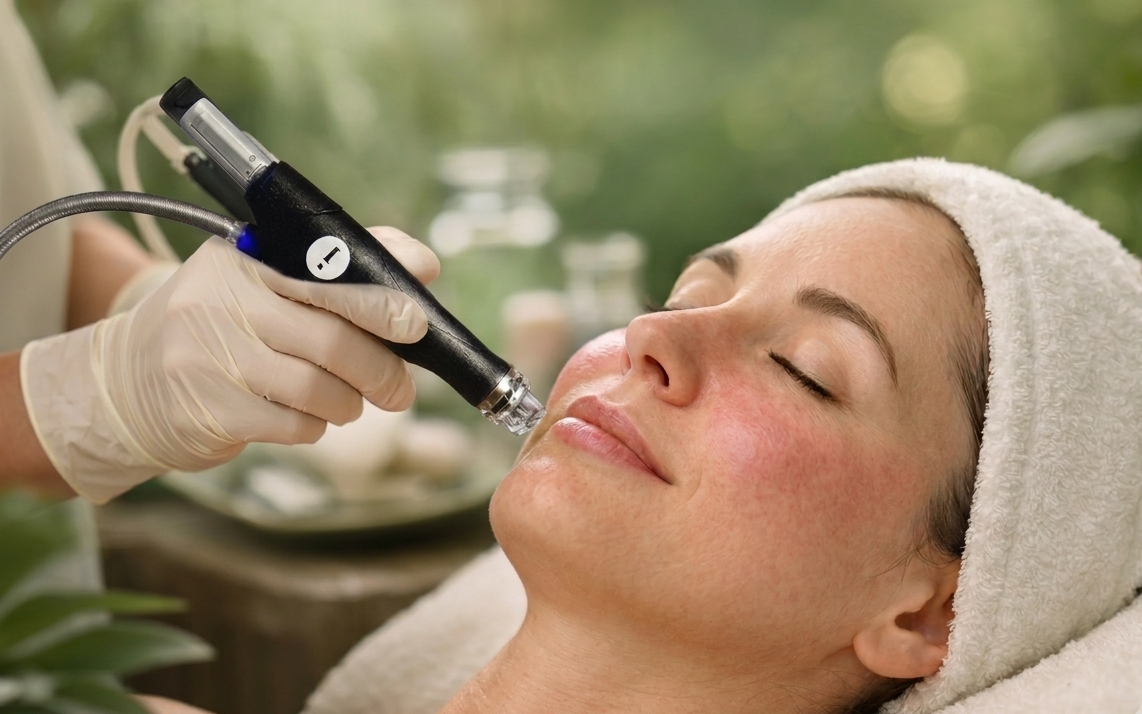
HydraFacial is a multi-step facial treatment that combines cleansing, exfoliation, gentle pore clearing and hydration. Its appeal is easy to understand: it can leave the skin looking fresh and luminous without the recovery time associated with more intensive resurfacing treatments.
For a suitable client, a carefully adapted HydraFacial may help address issues that often sit alongside rosacea. Skin can feel tight and dry while still looking oily through the T-zone; it may also accumulate sunscreen, make-up and surface congestion that are difficult to manage with harsh scrubs at home. A gentle treatment focused on hydration and barrier support can improve the look of dullness and help the skin feel smoother and more comfortable.
There is an important distinction, though. Rosacea is a chronic inflammatory skin condition, not simply sensitive skin or redness. It can involve flushing, visible blood vessels, burning, bumps, dryness, eye irritation and changes in texture. A facial may enhance the appearance and feel of the skin, but it does not treat the underlying condition in the way medical care can.
The suitability of HydraFacial depends on your rosacea subtype, current skin condition, known triggers and the exact settings and products used during your appointment. This is why a proper consultation matters far more than choosing a treatment from a menu based on a photograph alone.
When a HydraFacial may be a good choice
A modified, skin-calming HydraFacial can be worth considering when rosacea is settled rather than actively flaring. You may be a good candidate if your main concerns are dehydration, a lack of radiance, mild congestion or make-up sitting unevenly on dry patches, and your skin tolerates professional facials well.
The hydration stage can be especially welcome for skin that feels depleted. Rosacea-prone skin often has a compromised barrier, meaning it loses water more readily and reacts to ingredients or environmental changes that would not trouble other complexions. Supporting hydration may soften the appearance of fine, dry lines and give the skin a more rested, supple finish.
Gentle, controlled cleansing can also be preferable to experimenting with abrasive exfoliants at home. Rather than using a grainy scrub, a well-judged professional treatment can be adjusted according to how your skin looks and feels on the day. For clients who want a polished glow before an occasion, that personalised approach is far more reassuring than taking chances with a strong active product the night before.
That said, even a gentle treatment should be viewed as part of a broader skin plan. Daily sun protection, a simple routine, trigger awareness and medical advice where needed remain the foundations of rosacea management.
When to postpone your appointment
If your skin is hot, sore, intensely red, peeling, swollen or covered in inflamed bumps, it is usually wiser to pause. Active rosacea can be unpredictable, and exfoliation, suction, friction or certain serums may aggravate an already compromised barrier. The same applies if you have recently had a reaction to a product, sun exposure, waxing around the face, or another treatment that has left the skin tender.
Be particularly cautious if you experience ocular rosacea, which can cause dry, gritty, red or irritated eyes. A facial treatment near the eye area should only be considered with appropriate professional and medical guidance.
You should also disclose prescription creams, oral medication, recent aesthetic procedures, allergies and any history of eczema or contact dermatitis. These details help your therapist decide whether to adapt the treatment, choose a more nurturing facial, or advise waiting until the skin is quieter. Skipping a treatment at the right time is not missing out. It is good skin care.
What should be adapted for sensitive, reactive skin?
The word HydraFacial describes a treatment platform, not one fixed experience. This is helpful because the protocol can be softened for a client whose skin needs a lighter touch. A consultation should cover where and when you flush, whether your skin burns or stings, products that have caused reactions, your current routine, and any treatment prescribed by your GP or dermatologist.
For rosacea-prone skin, the focus is commonly placed on comfort rather than intensive correction. That may mean lighter exfoliation, reduced suction, avoiding strong acid-based steps, omitting fragranced or highly active boosters, and limiting heat or unnecessary stimulation. The therapist should observe the skin throughout rather than treating a plan as non-negotiable.
Extraction is another area where less can be more. While clearing blocked pores can be satisfying, excessive suction or repeated passes can leave reactive skin flushed. A calm, even approach is generally more valuable than trying to remove every trace of congestion in one visit.
At The Beauty Box Pangbourne, a tailored consultation allows treatment choices to be based on your skin’s behaviour, not only its visible appearance. Luxury should feel unhurried and reassuring, especially when your complexion is sensitive.
What results can you realistically expect?
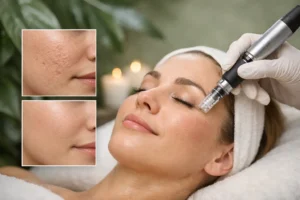
The best outcome is often subtle but meaningful: skin that feels more hydrated, looks fresher and has a smoother surface for make-up. Some clients notice that dry, tight areas are less obvious and that their complexion has a healthy-looking glow for an event or weekend away.
What you should not expect is for a HydraFacial to erase persistent redness, close visible blood vessels or prevent future flare-ups. If flushing, bumps or irritation are becoming more frequent, a dermatologist can assess whether targeted medical treatment may help. This does not mean you have to choose between clinical care and enjoyable self-care. The two can sit together when your facial plan respects your medical advice and your skin’s limits.
It is also sensible to allow time before a major occasion. Although many people have little or no downtime, reactive skin can occasionally flush after any professional facial. Book your first treatment well ahead of a wedding, holiday or important event so that you can see how your complexion responds without pressure.
How to care for your skin afterwards
After a HydraFacial, keep the rest of your routine quiet. Use lukewarm water, a gentle cleanser and a simple moisturiser that you already know your skin tolerates. Apply broad-spectrum SPF every day, as sun exposure is a common rosacea trigger and can undo the comfort you have worked to restore.
For the next day or two, avoid introducing new products or layering strong exfoliants, retinoids, scrubs and fragranced treatments. Steamy showers, saunas, vigorous exercise and alcohol can provoke flushing for some people, so consider your personal triggers and give your skin a little breathing room.
If you develop persistent burning, marked swelling, a rash or worsening symptoms after a facial, seek advice from a pharmacist, GP or dermatologist rather than trying to correct the reaction with more products. Calm skin responds best to a calm response.
A gentler way to pursue a glow
Rosacea does not mean you must give up on professional facial treatments or the confidence that comes from well-cared-for skin. It simply asks for a more thoughtful standard of care. Choose a therapist who listens, be honest about how your skin behaves, and let comfort guide the plan. A soft, hydrated glow that your skin can genuinely tolerate will always feel more luxurious than a result achieved by pushing it too far.