That familiar tightness across the shoulders, a heavy feeling in the legs, or a mind that will not quite switch off can all call for a different kind of care. This guide to massage treatment types is designed to help you choose a treatment that feels beautifully indulgent while also meeting your body where it is.
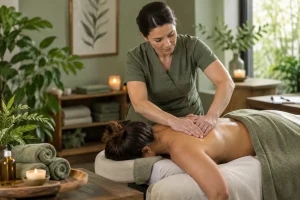
Massage should never be a one-size-fits-all appointment. The right approach depends on whether you want deep relief from muscular tension, a gentler pause from a demanding routine, support during pregnancy, or simply an hour that leaves you feeling restored. A thoughtful consultation and clear communication with your therapist make all the difference.
“The best choice is not necessarily the strongest massage.”
Why the type of massage matters
Every massage uses touch to encourage relaxation and ease in the body, but techniques, pressure and focus vary considerably. A flowing full-body treatment may be ideal when stress has settled into every muscle, while more targeted work can suit persistent tightness around the neck, back or legs.
The best choice is not necessarily the strongest massage. Firm pressure can feel wonderfully effective for some clients, but it is not always appropriate or more beneficial. Comfort, medical history, lifestyle and personal preference all deserve a place in the decision. A skilled therapist will tailor the pressure, adjust the pace and check in throughout, so you can relax with confidence.
A guide to massage treatment types and their benefits
Swedish massage
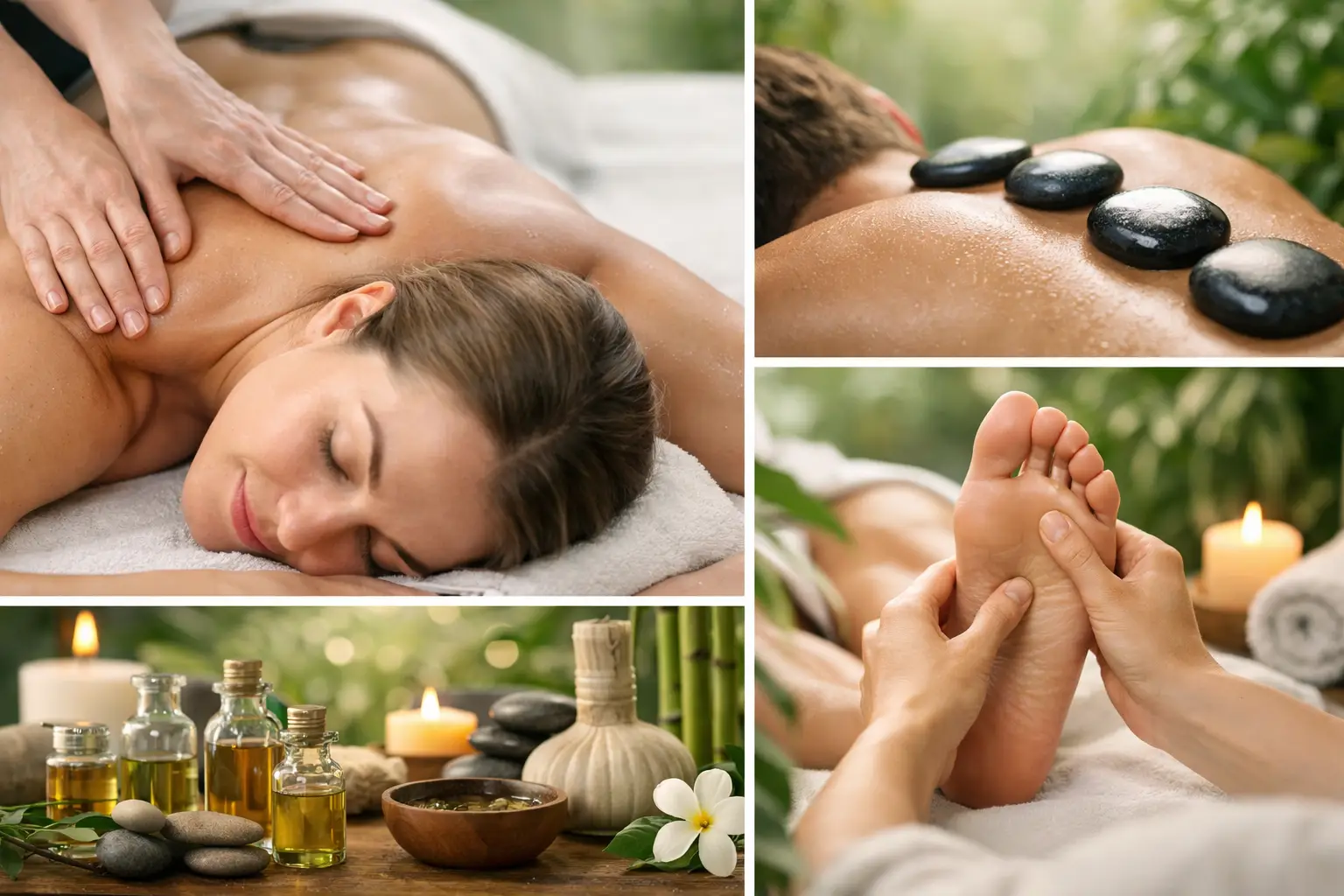
Swedish massage is often the perfect introduction to professional massage. It usually combines long, gliding strokes with gentle kneading and circular movements to soothe the body and settle the nervous system. The experience is unhurried, calming and deeply restorative.
Choose Swedish massage if you have been feeling generally tense, tired or overwhelmed, rather than dealing with one particularly stubborn area. It suits those who prefer light to medium pressure and want to leave feeling loose, warm and thoroughly pampered. It can also be a lovely choice before a special occasion, after a busy period at work or whenever self-care has slipped too far down the list.
Deep tissue massage
Deep tissue massage is more focused and purposeful. Your therapist works slowly into areas of chronic tightness, often using firmer pressure and techniques designed to reach deeper layers of muscle. It is commonly chosen for tension in the shoulders, upper back, lower back, hips and legs.
This treatment can be especially satisfying if you spend long hours at a desk, carry stress in your shoulders or notice a recurring feeling of restriction after exercise. However, deep tissue work should not mean gritting your teeth through discomfort. Some intensity can be expected, but pain is not the goal. Let your therapist know immediately if the pressure feels too much.
You may feel tender for a day or two afterwards, particularly if your muscles have been holding tension for some time. Drinking water, keeping movement gentle and allowing time to rest can help you enjoy the benefits. If you have an injury, unexplained pain or a medical condition, seek appropriate advice before booking a stronger massage.
Aromatherapy massage
Aromatherapy massage brings together gentle massage techniques and carefully selected essential oils. It is a sensory treatment as much as a physical one, creating a calm, cocooning experience through fragrance, warm touch and a slower rhythm.
This is a beautiful option when your priority is relaxation, emotional wellbeing and a moment of quiet. Depending on the blend used, the treatment may feel uplifting, balancing or especially soothing. If you are sensitive to fragrance, pregnant, prone to allergies or managing a health condition, mention this before your appointment so your therapist can guide you safely.
Aromatherapy is less about targeting a single muscular issue and more about allowing your whole system to soften. For many clients, that is precisely what makes it so valuable.
Hot stone massage
Hot stone massage uses smooth, heated stones alongside hands-on techniques. The warmth encourages muscles to relax, allowing the therapist to work without relying solely on firmer pressure. It has a luxurious, enveloping quality that feels particularly welcome during colder months or when the body feels deeply fatigued.
This treatment can suit clients who enjoy the idea of deeper relaxation but do not want an intensely vigorous massage. The heat may help ease areas that feel stiff or overworked, while the slow, flowing application offers a sense of complete escape.
It is not suitable for everyone. Certain circulation concerns, skin conditions, reduced sensation, pregnancy and some medical treatments may mean another option is safer. A professional consultation is never a formality here – it is part of caring for you properly.
Sports massage
Sports massage is not reserved for professional athletes. It can be an excellent choice for anyone who runs, cycles, goes to the gym, plays tennis, walks regularly or simply notices that activity leaves particular muscle groups feeling tight.
The treatment is usually more targeted than a relaxation massage. Your therapist may focus on the muscles used most in your activity, using techniques to support mobility, ease post-exercise tightness and prepare the body for an upcoming event. Pressure and pace can vary, and a good therapist will work around your training schedule rather than treating every appointment in the same way.
If you are recovering from a recent injury, it is important not to assume that massage is automatically suitable. Acute injuries, swelling, bruising or sharp pain need appropriate clinical assessment first. Massage can complement a healthy movement routine, but it is not a replacement for medical diagnosis or physiotherapy where those are needed.
Indian head massage
Indian head massage focuses on the upper back, shoulders, neck, scalp and sometimes the face. It is particularly appealing for clients who hold tension around the jaw, temples and shoulders, or who want a restorative treatment without a full-body massage.
The treatment can feel surprisingly powerful despite its shorter, focused format. Gentle work through the scalp and neck may encourage a sense of mental clarity and relief after a long day spent looking at screens, driving or managing a full household and career.
It is also a lovely choice for someone who feels short on time but still wants to step into a calm salon sanctuary and leave feeling more like themselves. If you have scalp sensitivity, recent hair colouring concerns or a skin condition, simply raise this during your consultation.
Pregnancy massage
Pregnancy massage is designed with comfort, safety and the changing needs of the body in mind. It uses adapted positioning and gentle techniques to help ease common areas of tension, often including the lower back, hips, legs and shoulders. For many expectant mothers, it is a precious opportunity to rest and feel cared for.
Timing and suitability matter. Many salons offer pregnancy massage only after the first trimester, and some health circumstances require approval from your midwife or doctor first. Your therapist should ask about your stage of pregnancy, symptoms and any medical considerations before beginning.
A specialist pregnancy treatment should feel supportive rather than overly intense. The aim is not to force tight muscles to release, but to create comfort, calm and space to breathe during a time when the body is doing extraordinary work.
How to choose the right treatment for you
Begin with the outcome you want. If you are craving calm and gentle full-body relaxation, Swedish or aromatherapy massage may be ideal. If the problem is more specific – a desk-bound neck, heavy legs after training or ongoing back tension – deep tissue or sports massage may be more appropriate. For a deeply warming experience, hot stone massage offers something distinct, while Indian head massage can be a wonderful focused reset.
Then think honestly about pressure. Many people request a deep massage because they want results, yet find that moderate pressure allows them to relax more fully and enjoy longer-lasting comfort. There is no prize for choosing the strongest option. The best massage is one that leaves you feeling cared for, not depleted.
It also helps to consider practical details. Avoid arriving immediately after a very heavy meal, wear comfortable clothing and give yourself a little breathing room after the appointment if you can. Rushing straight into a packed diary can dilute the wonderful sense of calm you have made time for.
Make your appointment feel truly tailored
Your consultation is the foundation of a beautiful treatment. Share where you feel tension, what pressure you enjoy, whether you have had massage before and any relevant health information. Mention allergies, recent surgery, medication, skin sensitivity, pregnancy, varicose veins or areas you would prefer the therapist to avoid.
During the treatment, you are always welcome to speak up. The room should feel safe, private and comfortable, with your dignity protected through professional draping and attentive care. At The Beauty Box Pangbourne, the luxury is not only in the tranquil atmosphere and polished finishing touches; it is in feeling listened to from the moment you arrive.
The right massage can be a quiet act of maintenance as well as a treat: time set aside to release what your body has been carrying and return to your day feeling lighter, calmer and beautifully cared for.