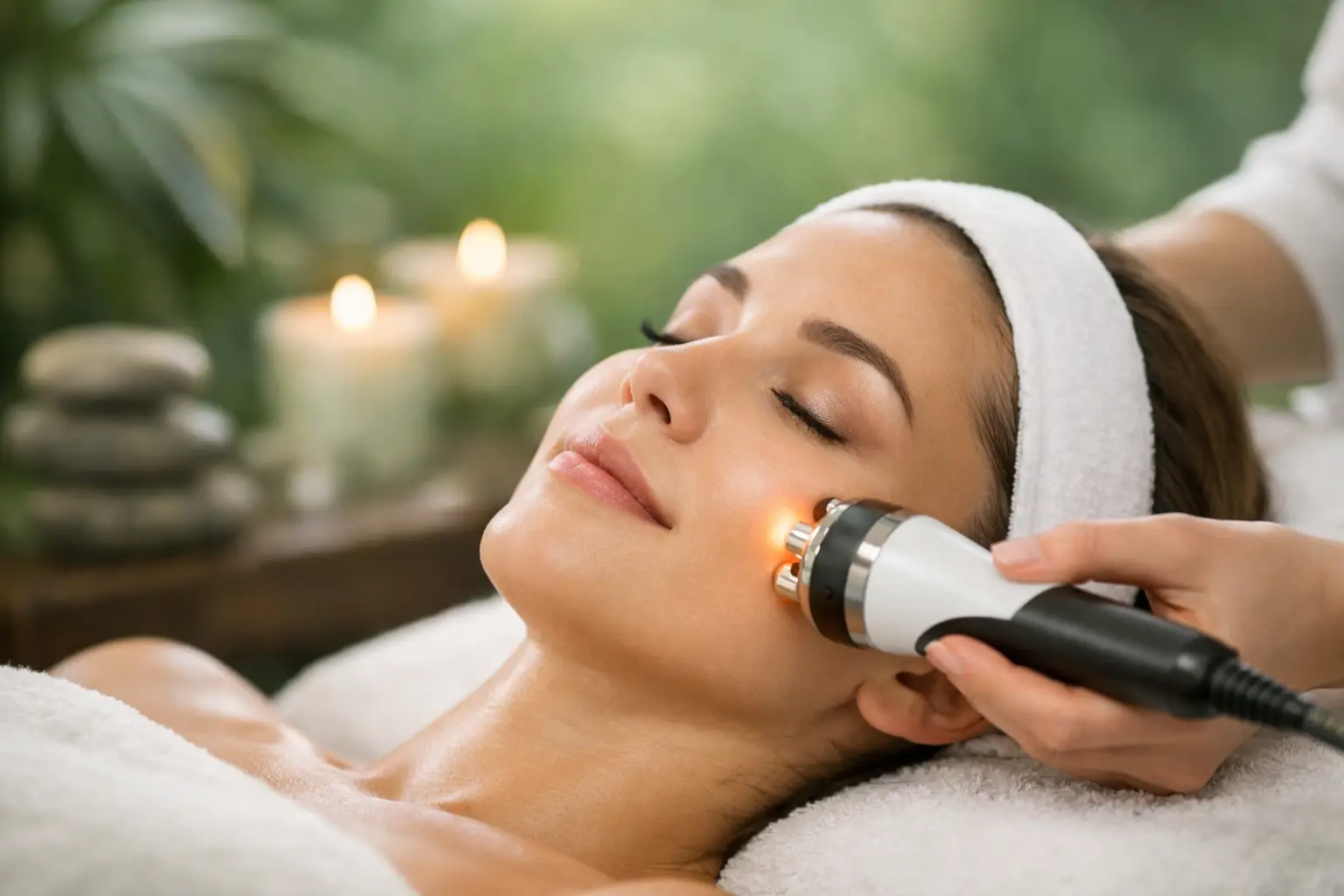
A complexion can look rested yet still feel as though it has lost a little of its firmness, bounce or definition. That is often the point at which clients begin asking about radio frequency. This guide to radio frequency facials explains what the treatment can realistically do, how it feels and whether it may suit your skin goals.
Radio frequency facials are designed for those who want a fresher, firmer-looking complexion without surgery or lengthy downtime. They are not a substitute for a facelift, nor are they an instant fix before a major event. Instead, they are a considered skin treatment that supports gradual, natural-looking improvement – ideal for clients who value results that still look entirely like them.
“Radio frequency facials are designed for those who want a fresher, firmer-looking complexion without surgery or lengthy downtime.”
What are radio frequency facials?
A radio frequency facial uses carefully controlled energy to warm the deeper layers of the skin while protecting the surface. This gentle heat encourages the skin’s natural collagen response. Collagen is one of the proteins that gives skin its structure and spring, but its production naturally slows over time.
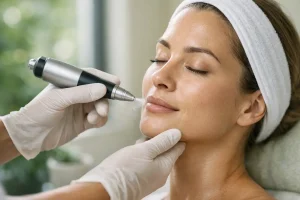
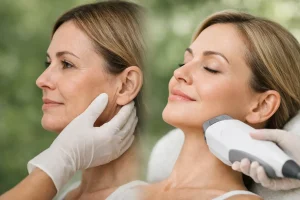
During treatment, the practitioner moves a specialist handpiece across the face, often focusing on areas where skin can begin to feel less taut, such as the cheeks, jawline, lower face and neck. The warming process can create an immediate sense of plumpness for some clients, while the more meaningful changes develop gradually as the skin responds over the following weeks.
It is a popular option for concerns including early laxity, a less-defined jawline, fine lines, crepey texture and skin that appears tired despite a good skincare routine. Results vary with age, skin quality, lifestyle and the strength of the treatment programme, which is why a thoughtful consultation matters far more than a one-size-fits-all promise.
How radio frequency facials work beneath the surface
The sensation of heat is central to the treatment. When radio frequency energy reaches the targeted layers of skin, it creates controlled thermal stimulation. Existing collagen fibres may contract slightly, contributing to a temporarily smoother look, while the skin begins its longer-term repair response.
Over time, that response can support new collagen and elastin formation. Elastin helps skin return to shape after movement, while collagen contributes to firmness and density. The aim is not to dramatically alter your face, but to improve the quality, texture and tone of the skin so it looks more refined and refreshed.
The technology is not the same as a laser treatment. Lasers use light energy and are often selected for specific concerns such as pigmentation or surface texture. Radio frequency works through heat and can be appropriate for a broad range of skin tones because it does not rely on targeting pigment in the same way. The right choice still depends on your individual skin, sensitivities and desired outcome.
What happens at a radio frequency facial appointment?
A premium treatment should feel both clinical and comforting. Your appointment begins with a discussion about your skin, your concerns, your routine and any relevant medical history. This is the time to mention recent aesthetic treatments, skin reactions, medication or an upcoming occasion, so your therapist can advise responsibly.
After cleansing the skin, a conductive gel is usually applied to help the handpiece glide comfortably and deliver energy evenly. As the treatment begins, you will feel a gradual, pleasant warmth. It should feel soothing rather than sharply hot. Your practitioner monitors the skin and adjusts the technique where needed, particularly around more delicate areas.
Most appointments take around 30 to 60 minutes, depending on the treatment area and whether radio frequency is being combined with other facial steps. Afterwards, your skin may look lightly flushed and feel warm, much like it does after gentle exercise. This usually settles quickly, allowing most clients to return to their normal plans with minimal interruption.
When will you see results?
Some clients notice a soft, healthy-looking glow and temporary smoothness straight after their first appointment. The more valuable benefit of radio frequency is its gradual nature. Collagen renewal takes time, so improvements in firmness, texture and facial definition tend to appear progressively over several weeks.
For this reason, radio frequency usually works best as a course rather than a single standalone appointment. The ideal number and spacing of treatments depend on the device used, the area being treated and the level of laxity being addressed. A practitioner may recommend a series of appointments followed by maintenance sessions to help preserve the result.
Consistency is particularly worthwhile if your goal is to maintain the appearance of firmer skin over time. Think of it as part of your wider skin investment, alongside professional facials, daily SPF, nourishing skincare, sleep and hydration. No treatment can entirely override ageing, sun exposure or significant changes in weight, but a personalised programme can help your skin look its best at every stage.
Who is a good candidate for radio frequency facials?
Radio frequency can be an excellent choice for adults who are beginning to notice mild to moderate looseness or who would simply like to improve their skin’s overall resilience and radiance. It often appeals to people who want visible refinement without needles, surgery or extensive recovery time.
Suitability is never assumed. Radio frequency may not be suitable during pregnancy, for anyone with a pacemaker or implanted electronic device, or where there are certain metal implants in the treatment area. Active skin infections, open wounds, severe inflammatory flare-ups and some medical conditions may also mean treatment should be postponed or avoided. Recent injectables, laser procedures and skin treatments may require a carefully planned interval.
Your consultation should be a calm, honest conversation, not a sales pitch. If radio frequency is not the best route for your goals, a professional practitioner should say so and discuss alternatives. For more pronounced laxity, for example, a treatment such as HIFU may be considered; for texture and collagen stimulation, microneedling may be more appropriate. In some cases, combining carefully chosen treatments over time produces the most balanced result.
Radio frequency versus a relaxing facial
Both can have a place in a well-rounded self-care routine, but they serve different purposes. A traditional facial is a beautiful way to cleanse, hydrate, soothe and restore immediate luminosity. It is ideal when your skin feels dull, dehydrated or in need of calm.
A radio frequency facial is more targeted in its intention. While it can still feel wonderfully relaxing, its focus is controlled heat and longer-term collagen support. If you are preparing for an event, a hydrating facial may offer the more immediate glow. If your aim is gradual improvement in the appearance of skin firmness, radio frequency may be the more suitable investment.
Preparing for and caring for your skin after treatment
There is little preparation required, but arriving with clean skin and avoiding aggressive exfoliation, retinoids or strong active products immediately beforehand can help reduce unnecessary sensitivity. Let your practitioner know if you have recently had sun exposure or if your skin feels reactive.
Afterwards, keep your routine gentle for the rest of the day. Use a soothing moisturiser, wear broad-spectrum SPF and avoid intense heat, such as saunas, steam rooms or very hot workouts, if your skin remains flushed. Hold off on exfoliating acids and retinoids until your therapist advises it is appropriate to reintroduce them.
The most polished results come from respecting your skin’s pace. At The Beauty Box Pangbourne, radio frequency treatments are approached with the same care as every facial ritual: a considered consultation, professional technique and a treatment plan designed around the confidence you want to feel when you look in the mirror.