A skin tag that catches on a necklace, a tiny red cherry angioma that distracts you in photographs, or a raised age spot that makeup never quite sits smoothly over can feel like a small detail with an outsized effect on confidence. This Cryopen treatment guide explains how professional lesion removal works, what the healing process looks like, and why a careful consultation should always come before treatment.
“The most reassuring Cryopen appointments begin with a proper assessment, not a quick glance.”
Cryopen treatment guide: is it right for you?
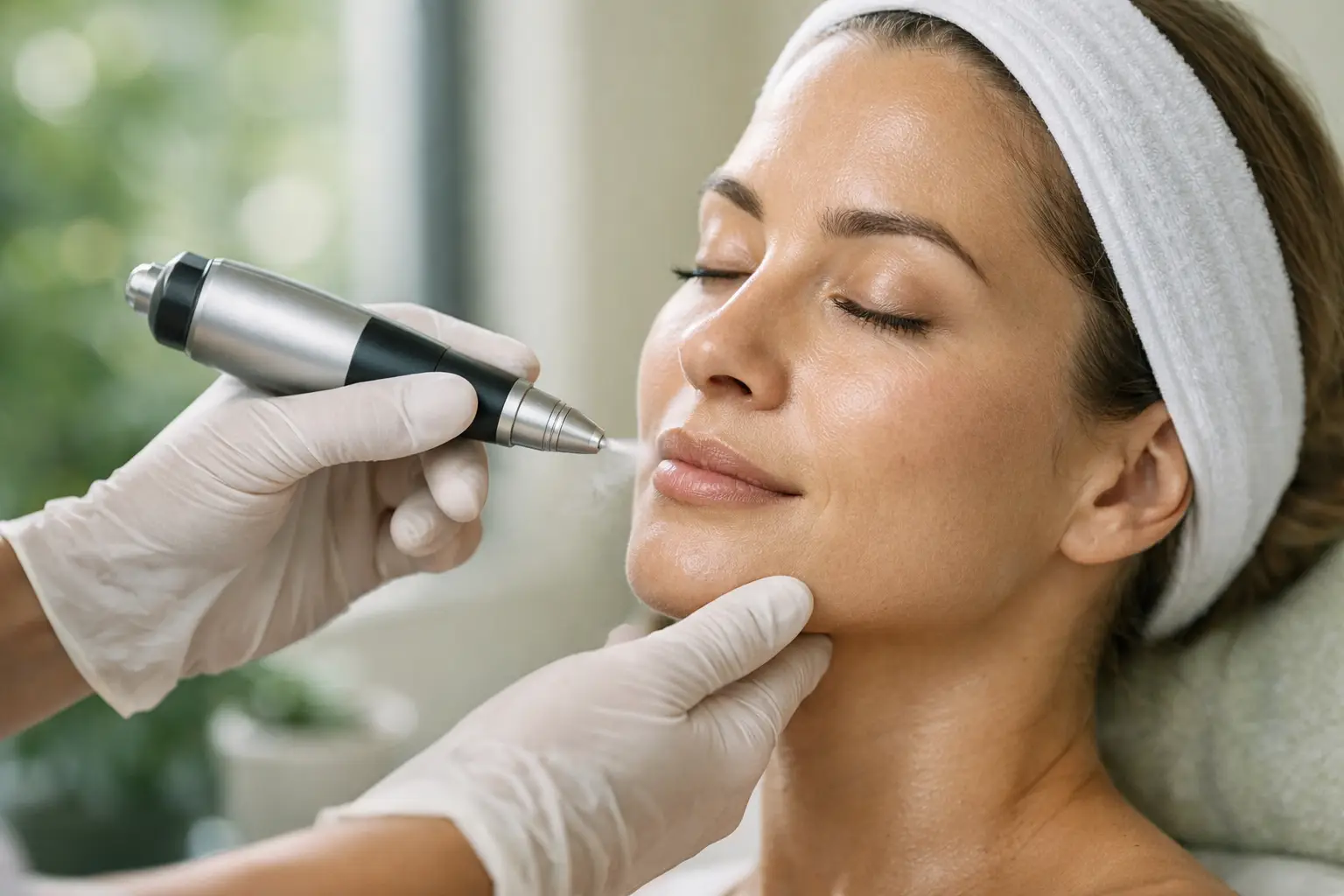
Cryopen is a precision cryotherapy treatment designed to remove selected benign skin imperfections by applying an intensely cold, controlled stream of nitrous oxide directly to the area. Unlike traditional liquid nitrogen methods, the practitioner can focus the treatment very precisely, helping to protect the surrounding skin.
It may be suitable for concerns such as skin tags, cherry angiomas, age spots, some pigmentation marks, seborrhoeic keratoses and certain verrucae. The right treatment depends on the lesion itself, its location, your skin type and your medical history. A small skin tag on the body and a raised mark on the face, for example, may need a different approach and have different healing times.
Cryopen is not a substitute for a medical diagnosis. Any mark that is new, changing, irregular in shape or colour, bleeding without explanation, persistently itchy, painful or slow to heal must be assessed by a GP or dermatologist before any cosmetic treatment is considered. A reputable practitioner will always decline to treat anything that appears suspicious.
Your consultation comes first
The most reassuring Cryopen appointments begin with a proper assessment, not a quick glance. Your practitioner should ask about the area you would like treated, how long it has been present, whether it has changed and whether it causes discomfort. They will also look at your skin more closely to decide whether Cryopen is appropriate.
This is the time to mention allergies, medication, previous scarring, healing concerns and any skin conditions. If you are pregnant, breastfeeding, prone to cold urticaria, have circulation concerns, diabetes, an active skin infection or a condition that affects healing, tailored advice is essential. Treatment may still be possible in some circumstances, but it should never be assumed.
At The Beauty Box Pangbourne, the focus is on a personalised plan that feels calm, clear and considered. You should leave your consultation knowing what is being treated, what result is realistic, how many sessions may be needed and how to care for the area afterwards.
What happens during a Cryopen appointment?
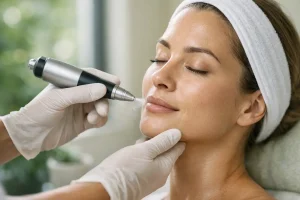
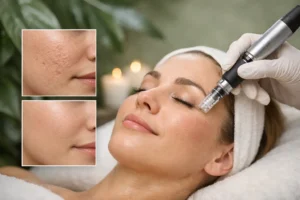
The treatment itself is usually straightforward. Once the area has been assessed and prepared, the Cryopen applicator is positioned over the lesion. It delivers a fine, highly cold spray for a carefully timed period. The cold freezes the targeted tissue, allowing the body to gradually clear it as the skin heals.
Most clients describe a sharp cold sensation, tingling or a brief sting during the application. The feeling tends to settle quickly once the device is removed. Larger, thicker or more raised lesions can require a longer application, and some areas of the body are naturally more sensitive than others.
A single small lesion can often be treated quickly, while an appointment with several areas will take longer. It is not always possible to predict the exact outcome in one session. Some lesions need a second treatment, particularly if they are larger, deep-rooted or resistant. Precision matters more than rushing, especially on delicate facial areas where skin health and an even finish are the priority.
Immediately afterwards, the treated area may look white or frosted for a few moments, then become red. Mild swelling is also common, particularly around the eyes. This is a normal part of the skin’s response to freezing.
Healing after Cryopen treatment
Healing is individual, but the visible process is usually easy to recognise. Redness and tenderness may last for a short time, followed by a small blister, darkening or a dry crust over the treated lesion. It can be tempting to pick at it, especially if the area is on the face, but allowing the skin to shed naturally gives it the best chance to heal neatly.
Your practitioner will provide aftercare suited to the area treated. In general, keep the skin clean, avoid rubbing or exfoliating it, and do not use active skincare ingredients over the site until it has healed. Skip saunas, steam rooms and swimming while the area is open or blistered. If the treatment is on an exposed area, daily broad-spectrum SPF is particularly worthwhile, as fresh skin is more vulnerable to pigmentation changes from UV exposure.
Small areas may settle within seven to 14 days, while larger lesions or those on the body can take longer. A treated cherry angioma may form a tiny scab before disappearing. Skin tags often dry, darken and detach. Pigmented marks can initially appear darker before they flake away. This can be entirely normal, but your practitioner should explain the expected pattern for your particular concern.
Do not apply plasters, antiseptics, ointments or makeup unless you have been advised to do so. If you experience increasing pain, spreading redness, heat, discharge, significant swelling or any symptom that concerns you, contact your practitioner or seek medical advice promptly.
Results, skin tone and realistic expectations
Cryopen can be an excellent option for carefully selected benign lesions, but it is not a one-size-fits-all treatment. The aim is to remove or significantly reduce the targeted imperfection while supporting an even, healthy-looking result. Skin type, lesion depth, location and your body’s healing response all influence the final outcome.
There is a small possibility of temporary lightening or darkening of the skin after cryotherapy, and this can be more noticeable in some skin tones. Rarely, textural change or scarring can occur. These considerations are why a qualified assessment and meticulous aftercare matter so much. If a mark is large, unusually pigmented or situated in a high-risk area, referral or an alternative method may be the more appropriate route.
It is also helpful to plan ahead. If you are preparing for a wedding, a holiday or an important event, allow several weeks rather than booking treatment at the last minute. That gives the area time to heal fully and allows room for a review or an additional session if it is needed.
Choosing a practitioner you can trust
Cryopen may be a quick treatment, but it deserves the same standard of care as any advanced skin service. Look for a clean, professional environment, clear consultation processes, confident explanations and honest guidance about what should not be treated. You should never feel pressured to proceed, particularly if the practitioner believes a medical opinion is needed first.
The best outcome is not simply about removing a visible concern. It is about feeling comfortable in your skin, knowing that the treatment has been chosen thoughtfully, and having the reassurance of expert support throughout healing. If a lesion has been bothering you, a professional consultation is a gentle first step towards deciding whether Cryopen is the right choice for you.