That midday shine, make-up that seems to slip by lunchtime and pores that feel congested no matter how carefully you cleanse can be frustrating. So, can HydraFacial help oily skin? For many people, yes. This professional treatment can thoroughly clear away surface oil, dead skin cells and pore-clogging debris while replenishing the skin with hydration – a combination oily complexions often need more than they realise.
The key is to see HydraFacial as part of considered skin maintenance rather than a one-off cure for oil production. When tailored well, it can leave the complexion looking fresher, smoother and more refined, without the tight, stripped feeling that harsher treatments can create.
“It is easy to assume that oily skin needs less moisture, but oil and water are not the same thing.”
Can HydraFacial help oily skin and congestion?
Oily skin produces more sebum, the natural oil that helps protect the skin barrier. Sebum is not the enemy: it keeps the skin supple and supports its protective function. Problems tend to arise when excess oil combines with dead skin cells, make-up residue and daily pollution. This mixture can sit within the pores, contributing to blackheads, uneven texture and a persistently shiny appearance.
A HydraFacial is particularly well suited to this pattern because it combines cleansing, gentle exfoliation, extraction and hydration in one carefully controlled treatment. Rather than simply scrubbing at the skin or using a very drying product, the treatment is designed to clear congestion while respecting the skin barrier.
That distinction matters. When oily skin is over-cleansed or repeatedly stripped with aggressive exfoliants, it can become dehydrated, uncomfortable and reactive. It may still look shiny, but feel tight at the same time. A professionally selected HydraFacial approach aims to leave the skin clean and comfortable, not squeaky or stressed.
Why oily skin can still need hydration
It is easy to assume that oily skin needs less moisture, but oil and water are not the same thing. Skin can have a noticeable surface shine while lacking sufficient water beneath the surface. This is often described as dehydrated oily skin.
When the complexion is dehydrated, it can look dull despite its shine, make-up may separate around the nose or chin, and fine lines can appear more visible. Some people then reach for stronger mattifying products, which can worsen the cycle of dryness and irritation.
HydraFacial treatments use hydrating ingredients at the end of the process, following the cleansing and extraction stages. For oily skin, this is not about creating a heavy or greasy finish. It is about giving the skin measured hydration after impurities have been lifted away, helping it look balanced, plump and polished.
What happens during a HydraFacial treatment?
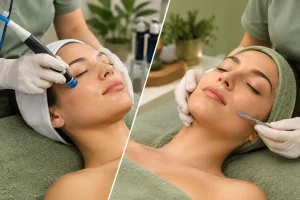
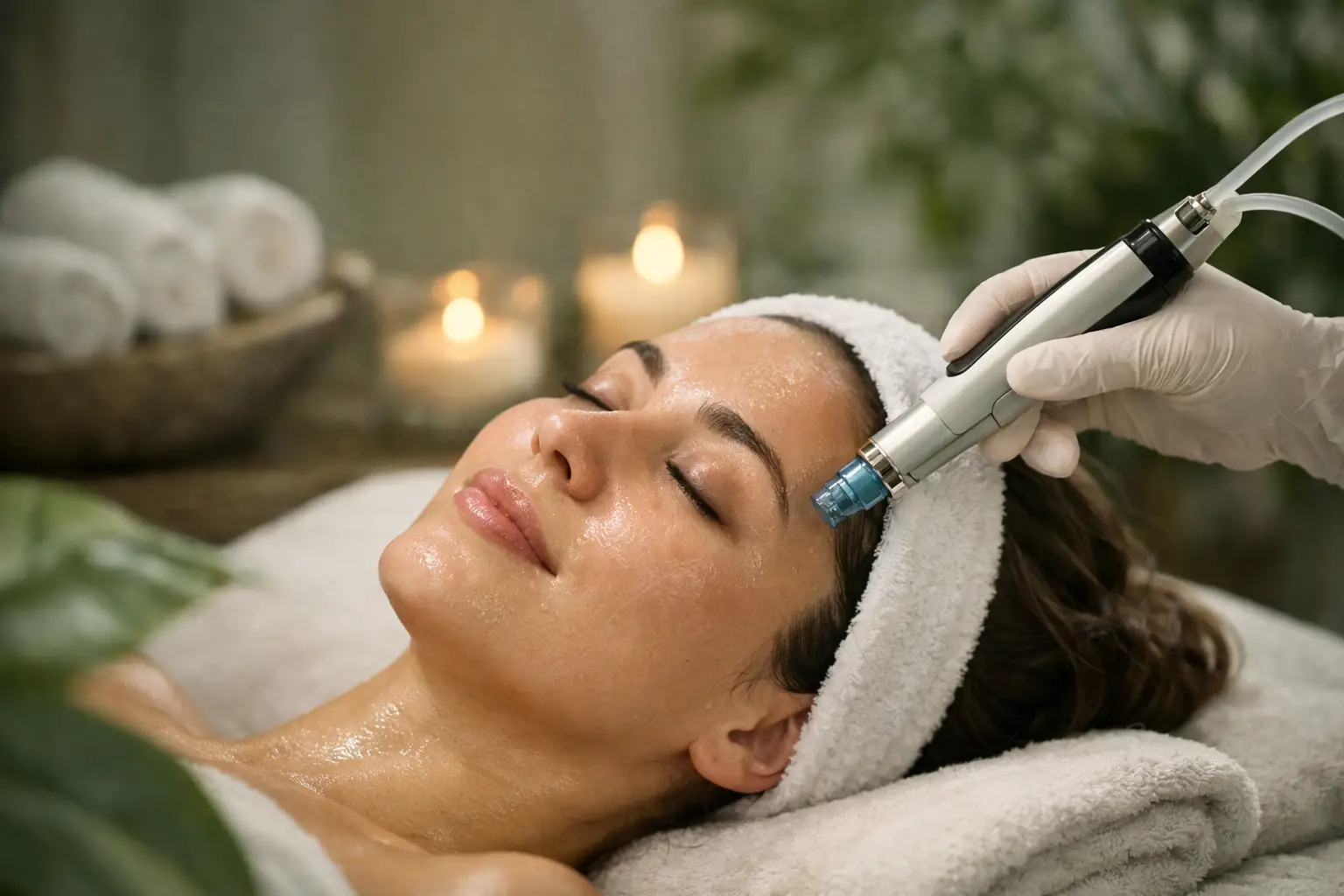
A HydraFacial is not simply a facial with a machine added to it. It follows a structured process, but the treatment should be adapted to what your skin is showing on the day. At The Beauty Box Pangbourne, that personal assessment is what turns an advanced facial into a meaningful skin treatment rather than a generic appointment.
Cleanse and exfoliate
The treatment begins by lifting away the build-up that can make oily skin look flat or congested. Gentle exfoliation helps loosen dead skin cells from the surface, which can improve the look of texture and help the complexion reflect light more evenly.
For someone prone to blocked pores around the T-zone, this first stage may already make the skin feel noticeably smoother. It is gentler and more controlled than trying to repeatedly exfoliate at home, where it is easy to use too much, too often.
Clarify the pores
The extraction stage uses vortex technology to draw impurities from congested pores. For oily or combination skin, this can be particularly satisfying around the nose, chin and forehead, where blackheads and visible sebaceous filaments are common.
It is worth having realistic expectations here. No treatment can permanently shrink pores or stop the skin producing oil altogether. What it can do is remove the build-up that makes pores appear more prominent, so the skin looks cleaner and more refined.
Replenish and protect
Once the skin has been clarified, hydration is infused to support comfort and a healthy-looking finish. Depending on your concerns, your therapist may also discuss suitable boosters or a treatment plan that considers blemishes, uneven tone or early signs of ageing alongside excess oil.
The result should not be an artificial, overly glossy look. A well-chosen HydraFacial for oily skin aims for the kind of glow that comes from clean, hydrated skin – fresh rather than shiny.
The benefits you may notice
Many clients notice an immediate difference in smoothness and clarity. Make-up often applies more evenly because dry surface build-up and excess congestion have been addressed. The skin can also look brighter, particularly when dullness has been caused by a layer of dead skin cells.
With regular, thoughtfully spaced treatments, HydraFacial may help keep recurring congestion more manageable and support a clearer-looking complexion. This can be especially helpful before an event, holiday or wedding, when you want your skin to look rested and polished without significant downtime.
However, results depend on the cause of the oiliness. If you experience persistent inflamed breakouts, painful acne, sudden changes in your skin or post-inflammatory marks, a HydraFacial may be one helpful part of your routine but not the whole answer. Your therapist can advise whether the treatment is appropriate and when a GP or dermatologist’s input would be more suitable.
How often should oily skin have a HydraFacial?
For general maintenance, many oily-skinned clients choose a HydraFacial approximately every four to six weeks. This timing allows the treatment to work alongside the skin’s natural renewal cycle while giving the complexion regular professional attention.
If congestion is more pronounced, a short initial course may be suggested before moving into maintenance. Equally, if your skin is sensitive, reactive or using active skincare, a gentler schedule may be the better choice. More is not always better in skincare. The most flattering results tend to come from consistency, good home care and a treatment plan that respects your skin’s tolerance.
Making results last between appointments
The products you use at home have a real influence on how your skin behaves between facials. A mild cleanser, a light non-comedogenic moisturiser and daily SPF provide a sensible foundation. If appropriate for your skin, ingredients such as salicylic acid or niacinamide may be useful for managing oil and congestion, but they should be introduced carefully rather than layered together in a rush.
Avoid the temptation to pick at blackheads or use abrasive scrubs to recreate the freshly extracted feeling. This can irritate the skin and spread inflammation. It is also wise to follow any aftercare provided by your therapist, particularly if your treatment includes exfoliating acids or a targeted booster.
If you use prescription retinoids, strong exfoliants or acne medication, mention this before your appointment. Certain products may need to be paused for a suitable period, and active irritation, sunburn or broken skin can mean rescheduling is the kindest option for your complexion.
Is HydraFacial right for every oily complexion?
HydraFacial can be an excellent choice for oily, combination and congested skin, particularly if you want visible freshness without a lengthy recovery period. Yet it should always be tailored. Skin that is oily and resilient may benefit from more focused clarification, while oily skin that is sensitive, red or dehydrated needs a gentler balance.
A professional consultation gives you space to discuss what is really happening with your skin: whether shine appears across the face or mainly through the T-zone, whether blemishes are cyclical, and whether your current routine leaves you tight or irritated. That level of care makes the treatment feel both indulgent and purposeful.
Beautiful skin does not have to mean perfectly matte skin. When excess oil and congestion are managed with expertise, your natural glow can look polished, comfortable and entirely your own.