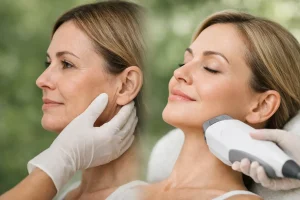
A small skin concern can have an outsized effect on confidence. Perhaps a skin tag catches on a necklace, a cherry angioma draws attention in photographs, or a benign-looking blemish becomes the one thing you notice when applying make-up. A useful Cryopen treatment review UK should go beyond promises of a quick fix. It should explain what the treatment feels like, who it may suit, how healing really looks and why a careful consultation matters.
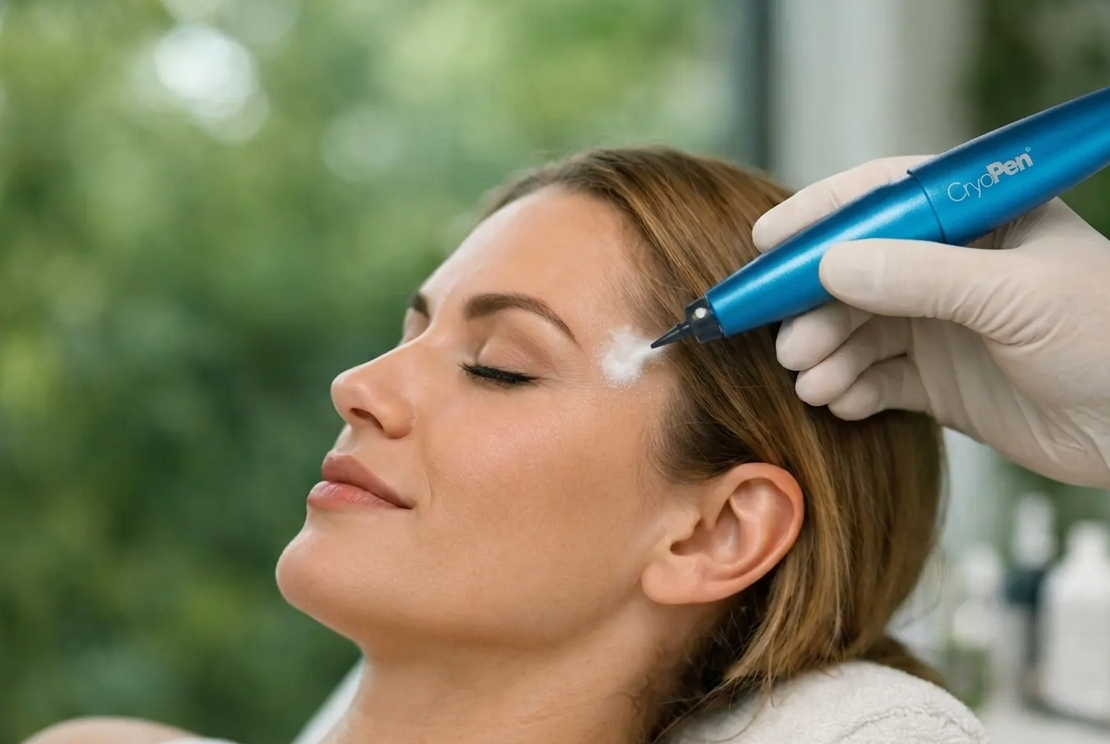
CryoPen treatment is a precise form of cryotherapy used by trained aesthetic practitioners to treat selected superficial skin imperfections. Rather than cutting or cauterising the area, it uses a fine jet of extreme cold to freeze the targeted tissue. For many clients, its appeal is clear: treatment is focused, appointments are usually brief, and there is little disruption to everyday life.
“A lower price means little if the consultation is rushed or the provider cannot clearly explain what they are treating.”
Cryopen treatment review UK: what are clients really reviewing?
When people describe a positive CryoPen experience, they are usually talking about more than the device itself. The quality of assessment, precision of application, cleanliness of the treatment environment and clarity of aftercare all shape the result.
CryoPen may be considered for certain skin tags, cherry angiomas, milia, some warts and other superficial lesions that a trained practitioner has assessed as suitable. It is not a treatment for every mark on the skin, and it should never be used as a shortcut around proper medical advice. A new, changing, bleeding, painful or unusually coloured lesion needs assessment by a GP or dermatologist before any cosmetic treatment is considered.
This distinction is reassuring rather than restrictive. A reputable practitioner will be comfortable saying that something is not appropriate to treat, or that it should be checked medically first. That care protects your skin and gives you confidence that your appointment is being led by expertise, not pressure.
What happens during a CryoPen appointment?
Your appointment should begin with a consultation. Your practitioner will look at the area, discuss your concerns and medical history, and determine whether CryoPen is an appropriate option. They may ask how long the concern has been present, whether it has changed, and whether you have had prior treatment in that area.
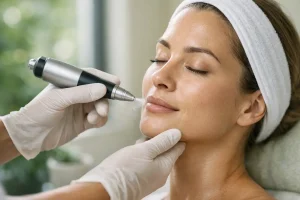
If treatment is suitable, the skin is cleansed and the CryoPen is applied directly to the selected imperfection. The sensation is often described as an intense cold sting or a brief sharp pinch. For very small areas, it is usually over quickly. Larger or more sensitive sites can feel more noticeable, but the discomfort tends to be short-lived.
Immediately afterwards, the skin may look red, pale or slightly raised. Depending on the lesion and treatment intensity, a small blister can form later. This is a normal part of the freezing process for some clients, though everyone’s skin responds differently. Your practitioner should explain what is likely for your particular treatment area before you leave.
The luxury of a well-run aesthetic appointment is not about making a clinical procedure feel vague or overly glamorous. It is about feeling calm, informed and looked after at every stage. In a polished salon setting, hygiene, privacy and gentle communication should be a given.
Healing time: the part most reviews leave out
The most useful CryoPen reviews are honest about healing. There is rarely an instant, flawless disappearance on the same day. The treated area needs time to respond, dry and shed naturally.
In the first few days, you may see redness, tenderness or a tiny blister. The area can then darken or form a small crust. This should be left alone. Picking, scratching or trying to remove the crust early can increase the risk of irritation, delayed healing and unwanted marks.
For many small superficial concerns, visible healing takes around one to two weeks, although this varies by skin type, location and the size of the area treated. Areas that experience friction, such as the neck, waistline or underarm, may need extra care. Some concerns need more than one session to achieve the best result, particularly if they are larger, deeper or more resistant to freezing.
While the skin heals, keep the area clean and follow the aftercare guidance given by your practitioner. Avoid exfoliating acids, retinoids, fragranced products and unnecessary rubbing over the treated site until it has fully recovered. Daily SPF is particularly valuable for exposed areas, as fresh skin can be more vulnerable to changes in pigmentation from sun exposure.
Is CryoPen painful?
Pain tolerance is personal, so there is no single answer. Most clients find CryoPen manageable because the cold sensation is brief and treatment is localised. A tiny skin tag may take moments, while a larger area can require a little more patience.
The face, chest and other delicate areas can feel more sensitive than the arms or legs. Your practitioner should work with care, explain each stage and allow you time to pause if needed. For clients who feel nervous about aesthetic treatments, this calm, tailored approach can make a significant difference.
It is also worth being realistic about the days that follow. The treatment itself is often easier than expected, but the healing stage can be visually noticeable for a short period. If you have an important event, wedding, holiday or professional photographs coming up, allow plenty of time rather than booking at the last minute.
The benefits and trade-offs of CryoPen treatment
The main benefit is precision. CryoPen can target a selected superficial concern without an incision, stitches or a lengthy period away from work or social plans. It can be an appealing choice for clients who want a professional solution for small areas that feel difficult to ignore.
However, it is not a one-size-fits-all answer. Results depend on the type of lesion, its size, the treatment site, your skin’s healing response and whether further sessions are required. There can be temporary redness, blistering, crusting and, in some cases, changes in pigmentation. These risks are particularly relevant for deeper skin tones and should be discussed openly during consultation.
The right question is not simply, “Does CryoPen work?” It is, “Is CryoPen the right treatment for this concern, on my skin, at this time?” That is where professional judgement matters most.
Choosing a provider for CryoPen in Berkshire
When looking for CryoPen treatment in Pangbourne, Reading, Tilehurst or the wider Berkshire area, prioritise standards over convenience. A lower price means little if the consultation is rushed or the provider cannot clearly explain what they are treating.
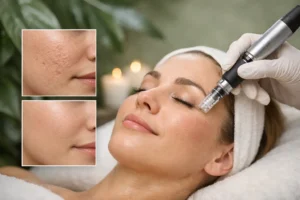
Look for a practitioner who assesses each area individually, maintains meticulous hygiene and offers straightforward aftercare. You should feel able to ask about their training, the expected healing process, likely number of sessions and what to do if you have concerns afterwards. Before-and-after photographs can be useful, but they should be viewed as examples rather than guarantees – your skin is individual.
At The Beauty Box Pangbourne, advanced skin treatments are approached with the same personal care as every luxury salon appointment: considered consultation, professional standards and a focus on helping you feel comfortable in your own skin.
Who should wait or seek medical advice first?
CryoPen treatment is not appropriate for every client or every skin concern. You should seek medical advice before treatment if a lesion is undiagnosed, changing in shape or colour, bleeding, persistently itchy, painful or slow to heal. The same applies if you have a history of skin cancer or have been advised to monitor a particular area.
Your practitioner may also recommend delaying treatment if the skin is irritated, infected, sunburnt or actively inflamed. Certain health conditions, medications, pregnancy considerations and a tendency towards poor healing may affect suitability. Being open in your consultation helps your practitioner make a safe recommendation that respects both your wellbeing and your desired result.
A thoughtful CryoPen treatment is a small investment in feeling polished and comfortable, not something to rush. Give your skin the time, expertise and aftercare it deserves, and the experience can feel every bit as reassuring as the result.