A deep tissue massage should never feel like something you simply have to endure. The best deep tissue massage review is not about how much pressure a therapist can apply. It is about whether focused, skilful treatment leaves you feeling lighter, more comfortable and better connected to your body.
For many clients, this style of massage is the answer to persistent tightness through the shoulders, neck, lower back or legs. It can be especially welcome after long days at a desk, intensive training, demanding childcare, travelling or periods when stress seems to settle physically in the body. Yet deep tissue work is often misunderstood as being relentlessly painful. In reality, a considered treatment is tailored to you, your comfort threshold and the areas that need attention most.
“A deep tissue massage should never feel like something you simply have to endure.”
What does deep tissue massage actually feel like?
Deep tissue massage uses slower, more deliberate strokes and sustained pressure to work into the deeper layers of muscle and connective tissue. Rather than gliding lightly over the surface, your therapist will focus on areas of restriction, tension and muscular congestion.
You may feel a strong, purposeful sensation as a tight area is addressed. Some people describe it as a satisfying ache or a feeling of release. The important distinction is that the pressure should remain manageable. Holding your breath, tensing against the therapist’s touch or feeling sharp, burning or electric pain are not signs that the massage is working harder. They are reasons to speak up immediately.
A professional therapist will check in throughout the appointment and adjust their technique accordingly. Deep tissue massage is collaborative, not a test of endurance. Your body may need gentle preparation before firmer work, particularly if it is your first massage in some time or you carry a great deal of sensitivity in one area.
Deep tissue massage review: the benefits and trade-offs
The appeal of deep tissue massage is its precision. It can be particularly effective when you feel as though a general relaxing massage has not quite reached the areas that trouble you. With careful treatment, clients often notice easier movement, reduced feelings of heaviness and a welcome softening in places that have felt chronically tight.
It can also offer a powerful mental reset. When the jaw, shoulders and upper back have been braced for weeks, releasing physical tension can make it easier to switch off afterwards. That does not mean deep tissue massage is only for athletes or those with a specific complaint. Professionals, busy parents and anyone who tends to carry stress physically may appreciate its more targeted approach.
There is a trade-off. A deeper massage is less dreamy than a purely soothing, feather-light treatment, and you may feel tender for a day or two afterwards, much like you might after an unfamiliar workout. This should be mild and temporary, not severe. Some clients love the feeling of focused pressure; others prefer a relaxation massage with only occasional deeper work. Neither preference is better – it depends on what your body needs that day.
It is also worth being realistic about results. One appointment can bring noticeable relief, but longstanding tightness influenced by posture, activity, stress or repetitive movement may benefit from regular treatment and small changes between visits. Massage can support wellbeing and muscular comfort, but it is not a substitute for medical diagnosis or treatment.
When a gentler treatment may be the better choice
If you are exhausted, anxious, recovering from a busy period or simply want an hour of quiet indulgence, a Swedish-style relaxation massage may suit you better. It still supports circulation and ease in the muscles, but with a softer rhythm and lighter overall pressure.
Similarly, deep tissue massage may not be appropriate without professional advice if you are pregnant, have a recent injury, unexplained pain, a fever or infection, circulatory concerns, blood-clotting issues, osteoporosis, certain skin conditions, or are taking medication that affects bleeding. Always share relevant health information during your consultation. A trusted therapist will adapt the treatment, recommend an alternative or advise you to seek medical guidance when needed.
What to expect at your appointment
A luxury massage experience begins before the first movement of the treatment. You should feel welcomed into a calm, clean space where there is time to discuss how you are feeling, what has brought you in and what you hope to get from the session.
Your consultation matters. Let your therapist know where you feel tension, but also mention areas you would prefer them to avoid. Tell them whether you have had massage before, how active you are, if you spend hours at a screen, and whether you have any health changes. These details allow the treatment to feel personal rather than routine.
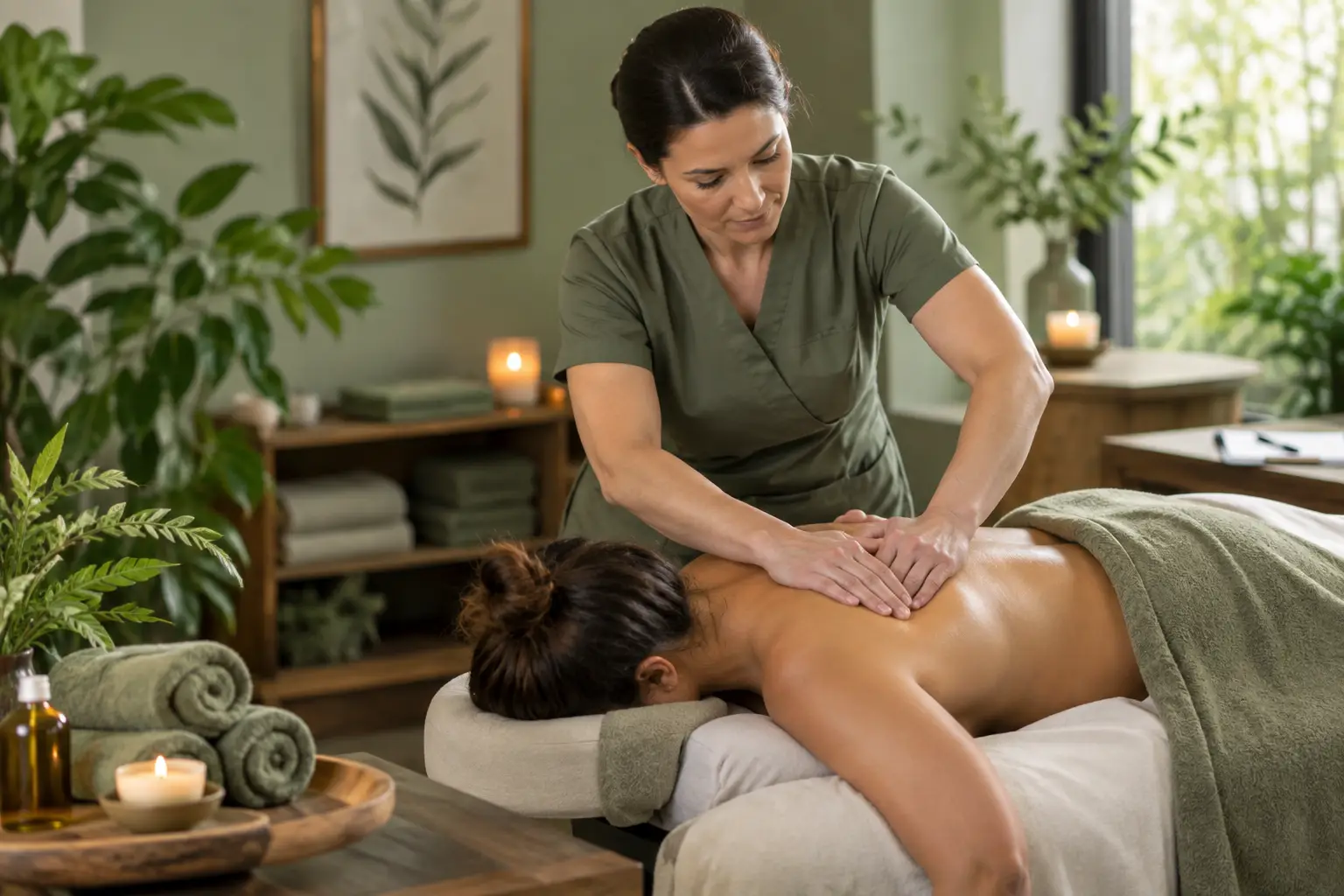
During the massage, the therapist may use their hands, knuckles, forearms or elbows to apply controlled pressure. The technique will vary across the body. Broad strokes may warm an area first, followed by more focused work around the shoulder blades, along the back, through the glutes or into the legs. Good deep tissue work is not about pressing deeply everywhere. It is about knowing when and where deeper pressure is useful.
Draping should be discreet and professional throughout, with only the area being treated exposed. You should feel warm, respected and able to relax. If the room temperature, music, pressure or positioning is not comfortable, say so. A truly personalised appointment makes room for those preferences.
How to get the most from deeper massage
Arrive a few minutes early if you can, so you are not bringing the rush of the day straight onto the couch. Wear something comfortable and avoid booking immediately before an intense workout or a packed evening if possible. Giving yourself a little breathing space afterwards can make the treatment feel even more restorative.
After your massage, drink water as you normally would and enjoy a nourishing meal if you are hungry. Gentle movement, such as an easy walk or light stretching, can feel lovely, but avoid treating the appointment as a reason to push through strenuous exercise if your muscles are tender. A warm bath can be comforting, although some people prefer to wait until the following day if they feel sensitive.
Pay attention to how your body responds over the next 24 to 48 hours. You may notice improved mobility straight away, or you may feel the benefits more gradually as the initial tenderness settles. If an area remains painful or feels worse beyond expected mild soreness, seek advice from an appropriate healthcare professional.
Choosing a massage therapist you can trust
The difference between a memorable massage and an uncomfortable one often comes down to the therapist’s judgement. Look for a salon that values consultation, hygiene, privacy and clear communication just as much as the treatment itself. Premium oils, beautifully prepared surroundings and thoughtful finishing touches add to the experience, but technical skill and attentive care are what make the result feel genuinely worthwhile.
It is also reasonable to ask questions before you book. How is pressure tailored? Can the appointment focus on your back and shoulders? What should you do if you have an old injury? A confident, client-focused therapist will welcome these conversations and never make you feel awkward for having preferences.
At The Beauty Box Pangbourne, massage is approached as personal care rather than a one-size-fits-all service. Whether you are looking to soften persistent tension or simply step away from a demanding week, the right level of pressure can be chosen around your comfort and goals.
The most useful measure of a deep tissue massage is not whether it felt intense in the moment. It is whether you leave feeling listened to, cared for and more at ease in your own body – with a treatment that respects both your need for results and your right to relax.