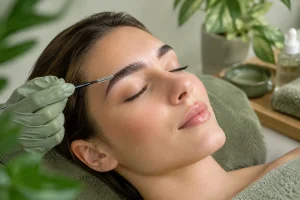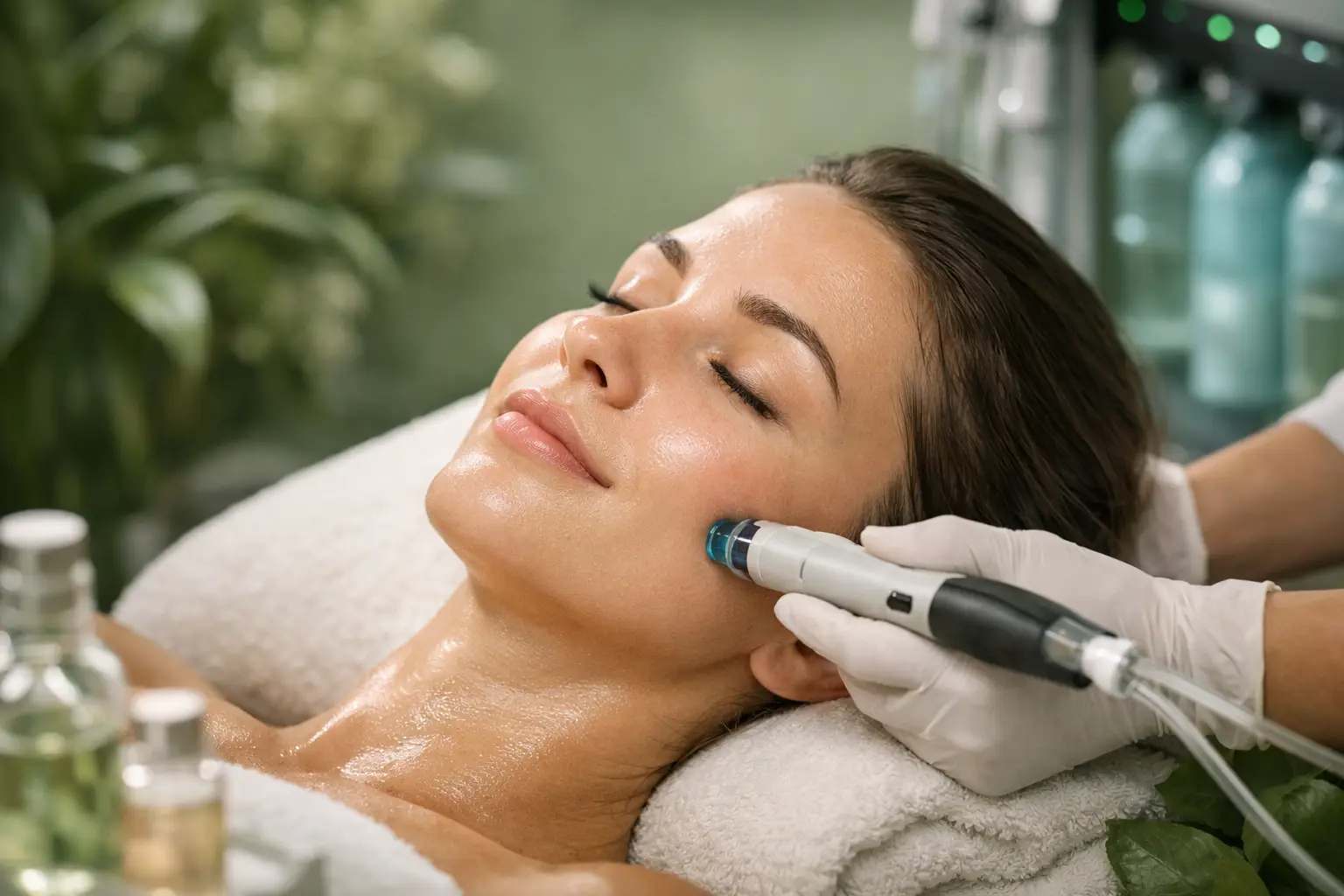
Tightness after cleansing, make-up settling into fine lines and a complexion that looks tired rather than luminous can all point to dehydrated skin. HydraFacial results for dehydrated skin can be especially rewarding because the treatment combines gentle resurfacing, professional extraction and intensive hydration in one carefully tailored appointment. The immediate goal is not to make skin look artificially plumped for a photograph. It is to help it feel more comfortable, look smoother and hold a healthy, fresh-looking glow.
At The Beauty Box Pangbourne, a HydraFacial is approached as a skin consultation as much as a facial. Your complexion, sensitivities, current routine and the occasion ahead all matter. Dehydration is common, but the reasons behind it – and the most suitable way to treat it – are wonderfully individual.
“Regular professional care is about maintaining a healthier baseline, not chasing a one-off result.”
What dehydrated skin actually needs
Dehydrated skin is short of water. It can affect every skin type, including oily, combination and blemish-prone skin, which is why it is often confused with dry skin. Dry skin is a skin type linked to a lack of natural oils, while dehydration is a temporary skin condition that may be influenced by central heating, air conditioning, cold weather, travel, stress, over-exfoliation or using products that are too active for your skin.
A dehydrated complexion may feel tight yet appear shiny. It can look dull, show more noticeable fine lines and become less predictable, with occasional sensitivity or congestion. Adding a rich cream can help in some cases, but it does not always address a build-up of dead skin cells or blocked pores that prevents your skincare from sitting and performing as well as it could.
This is where a professional treatment can make a meaningful difference. HydraFacial is designed to cleanse, exfoliate, extract and hydrate without the roughness associated with more aggressive manual exfoliation. For skin that feels thirsty and out of balance, that measured approach matters.
How a HydraFacial supports hydration
A HydraFacial treatment uses a specialised vortex technology to refresh the skin in stages. It begins with cleansing and gentle exfoliation to lift surface debris and reveal a fresher layer of skin. A light peel solution is then used to help loosen congestion, followed by extraction that is generally more comfortable and controlled than traditional squeezing.
The final hydration stage is what many clients notice most. Skin is infused with moisturising ingredients selected to support a soft, replenished finish. By removing the surface build-up first, these hydrating elements can be delivered to skin that is better prepared to receive them.
For dehydrated skin, the value is in this sequence. Hydration tends to look more convincing when the complexion has also been properly cleansed and gently refined. Rather than simply coating a dull surface, the treatment works towards skin that appears clearer, smoother and more light-reflective.
Why gentle exfoliation can improve the glow
When skin is dehydrated, it can be tempting to scrub away flakes at home. Unfortunately, vigorous scrubs, strong acids or frequent exfoliation can leave a compromised complexion feeling even tighter. HydraFacial offers a more considered alternative, with treatment intensity adjusted for your skin’s current condition.
A smoother surface helps foundation apply more evenly and allows your daily moisturiser and serums to feel more comfortable. It can also reduce the look of those fine dehydration lines that become obvious under concealer or in bright bathroom lighting. The effect is refined rather than overdone – skin should still look like your skin, simply better rested and better cared for.
HydraFacial results for dehydrated skin: what to expect
Most clients notice an immediate difference in softness, radiance and smoothness. Skin can look brighter directly after treatment, with a healthy, hydrated sheen rather than an oily finish. Make-up often sits more beautifully, and the complexion may feel less tight through the day.
Results vary according to your starting point. If dehydration is mild and linked to seasonal changes or a busy week, one HydraFacial may provide the fresh reset you have been craving before a wedding, holiday, event or important meeting. If your skin has been persistently uncomfortable, sensitised or neglected, a course of treatments alongside a thoughtful home routine is likely to be more beneficial.
The visible glow can last for several days, while the feeling of improved hydration may last longer when you support it with the right skincare and daily habits. There is no honest promise that one treatment will permanently correct dehydration. Skin continues to respond to the weather, hormones, lifestyle and what you apply to it. Regular professional care is about maintaining a healthier baseline, not chasing a one-off result.
The first 24 to 48 hours
After a HydraFacial, many people return straight to their plans with no downtime. Some temporary pinkness is possible, particularly if your skin is reactive or extractions have been needed, but this typically settles quickly. Your therapist will advise you on the most appropriate aftercare for your skin.
Keep the rest of your routine gentle. Avoid introducing new active products immediately afterwards, and be mindful of excess heat from saunas, steam rooms or strenuous exercise if your skin feels warm or sensitive. Daily SPF is essential, especially following exfoliation. It protects the fresh, refined surface and helps you preserve that even-looking glow.
When HydraFacial may need a more cautious approach
HydraFacial is highly adaptable, but it is not a case of more treatment always being better. If your skin barrier is significantly impaired, you have active eczema, a flare of rosacea, open lesions, sunburn or a current skin infection, treatment may need to be postponed or modified. A consultation allows your therapist to make that judgement with your comfort and skin health in mind.
It is also worth discussing prescription skincare, recent injectables, chemical peels, laser treatments and pregnancy or breastfeeding. Certain steps, boosters or exfoliating ingredients may not be suitable in every circumstance. Clear, professional advice is far more valuable than a generic facial menu when your skin is feeling vulnerable.
For clients with very dry skin as well as dehydration, HydraFacial can still be helpful, but homecare focused on nourishing lipids and barrier support will be equally important. Someone with oily yet dehydrated skin may need a different balance, perhaps with attention to congestion and lightweight hydration. This is why tailored treatment is central to achieving elegant, believable results.
Making your results last at home
Think of your HydraFacial as a beautifully considered starting point. The days that follow are an opportunity to protect the work done in the treatment room. Cleanse with a gentle formula that does not leave skin squeaky or tight, then apply hydration to slightly damp skin and finish with a moisturiser suited to your skin type.
Try not to respond to dullness by layering every active ingredient you own. Overusing retinoids, acids, scrubs or strong cleansing products can create the very dehydration cycle you are trying to solve. A simpler routine, used consistently, often gives skin the space it needs to settle.
Water intake supports general wellbeing, though drinking more water alone will not replace topical hydration or repair a disrupted barrier. Consider the environment around you too. Indoor heating, hot showers and long days in air-conditioned offices can all contribute to moisture loss. Small adjustments, combined with suitable skincare, can make a visible difference between appointments.
How often should you book?
For a special occasion, booking a HydraFacial a few days before can allow any temporary redness to settle while leaving enough time to enjoy the glow. If you are new to the treatment or have reactive skin, it is sensible to avoid making your first appointment immediately before a major event.
For ongoing dehydration, a monthly appointment is a popular rhythm, although the ideal frequency depends on your skin, budget and wider treatment plan. Your therapist may recommend spacing treatments differently during winter, before a holiday, or while addressing congestion or sensitivity. The most luxurious skincare plan is not the busiest one. It is the one that respects your skin and fits naturally into your life.
When your complexion feels dull, tight or difficult to manage, it deserves more than a quick fix. A carefully tailored HydraFacial can bring back the smoothness and comfort that makes bare skin feel confident again – and that is a lovely place to begin.