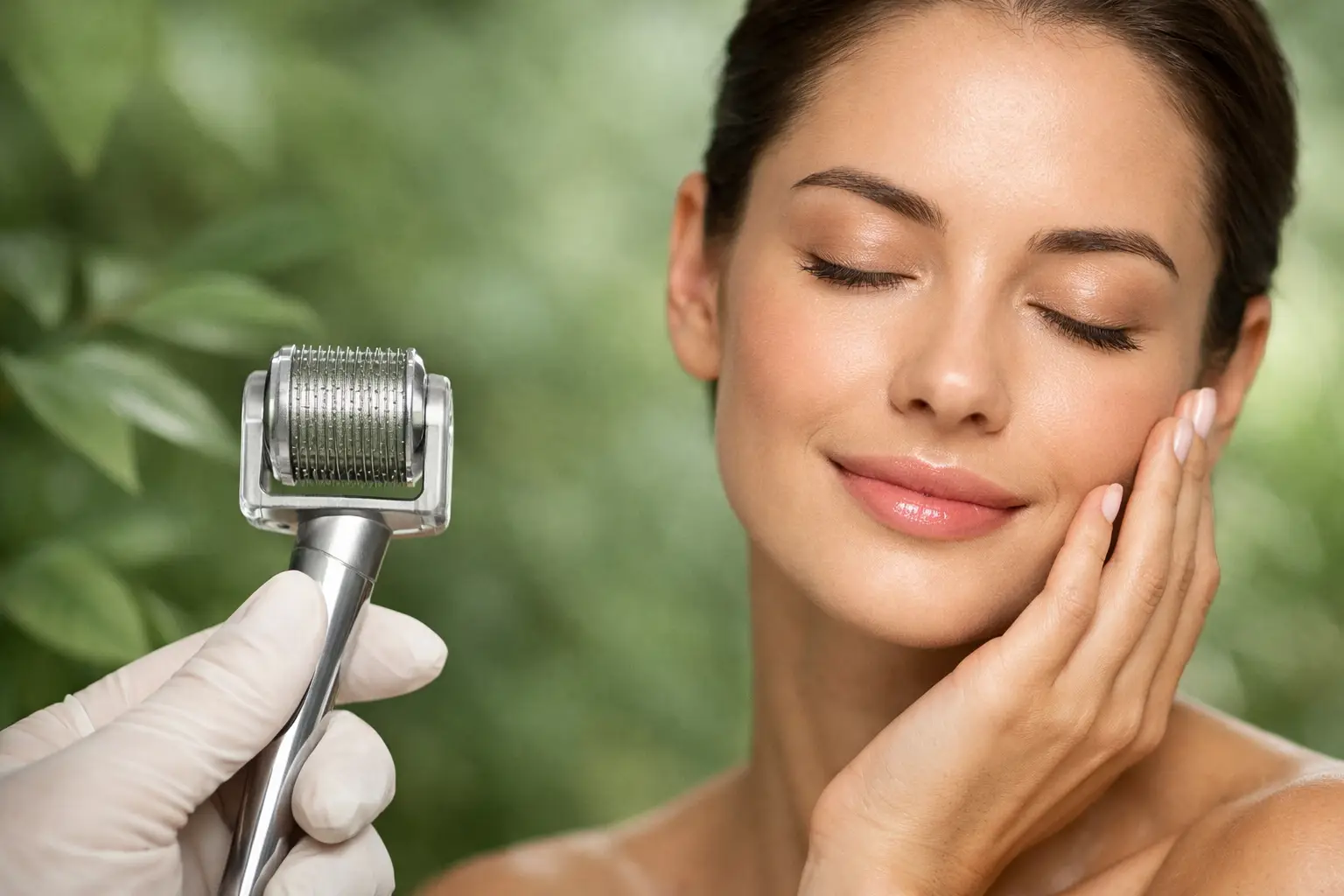
A treatment that promises firmer, smoother, more luminous-looking skin naturally deserves more than a quick yes or no. If you are asking, is microneedling worth it, the honest answer is that it can be an excellent investment when your concerns, expectations and treatment plan are well matched. It is not a one-off miracle, but for the right person, it can support meaningful, refined improvements over time.
Microneedling is loved because it works with the skin’s own repair process rather than simply sitting on the surface. At the same time, it requires patience, thoughtful aftercare and professional assessment. For clients who value skin health alongside a polished glow, those trade-offs are often very worthwhile.
“The result should still look like you – simply rested, polished and confident in your skin.”
What microneedling actually does
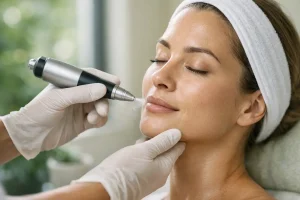
Microneedling, sometimes called collagen induction therapy, uses a professional device fitted with very fine, sterile needles to create controlled micro-channels in the skin. These tiny channels trigger the skin’s natural wound-healing response, encouraging the production of collagen and elastin – the proteins associated with bounce, strength and smoothness.
The treatment can also help carefully selected active serums penetrate more effectively during the appointment. The aim is not to damage the skin, but to create a precise, controlled stimulus that prompts renewal. Over a course of treatments, this can improve skin texture and make the complexion appear fresher, more even and better supported.
Professional technique matters here. Needle depth, speed, treatment areas and product choice should all be adapted to your skin, rather than following a one-size-fits-all approach. A thorough consultation is where a good treatment begins.
Is microneedling worth it for your concerns?
Microneedling tends to be most rewarding for people whose goal is gradual skin refinement. It may be recommended for enlarged-looking pores, uneven texture, fine lines, mild loss of firmness, post-acne marks and a dull or tired complexion. It can also be helpful where skin looks less smooth under make-up, even when there is no single dramatic concern to address.
For acne scarring, results depend on the type and depth of the scarring. Shallow textural scars may respond very well to a course of treatments, while deeper pitted scars can need a more advanced or combined approach. Similarly, microneedling may soften fine lines and improve skin quality, but it will not produce the lifting effect of HIFU or replace treatments designed for significant volume loss.
That distinction is important. The most satisfying aesthetic results come from choosing the treatment that fits the concern, not choosing the treatment with the biggest promise. During a personalised consultation, your therapist can assess whether microneedling is the right starting point or whether another skin treatment would better suit your goals.
The benefits clients notice most
Some clients see an initial healthy glow once the early redness settles, but the more meaningful changes take place beneath the surface. Collagen remodelling is gradual, which means results build gently in the weeks following each session.
With a suitable course, clients commonly notice smoother-feeling skin, improved radiance and make-up that sits more evenly. Skin can look more refined around areas of visible pores or old blemish marks. Fine lines may appear softened, and the overall complexion can feel stronger and more resilient.
This gradual approach is part of microneedling’s appeal. The result should still look like you – simply rested, polished and confident in your skin.
What results can you realistically expect?
It is reasonable to expect improvement, not perfection. Microneedling is a results-driven treatment, but it asks for consistency. Many people benefit from an initial course of three to six treatments, usually spaced several weeks apart, followed by maintenance appointments if desired. Your recommended schedule will depend on your skin condition, treatment intensity and the outcome you would like to achieve.
Your lifestyle also influences the final result. Daily SPF, gentle but effective homecare, hydration, a balanced routine and avoiding unnecessary irritation all give your skin the best conditions in which to respond. A treatment course works most beautifully when it is part of a considered skin plan rather than an occasional rescue appointment.
It is also worth being wary of dramatic before-and-after expectations, especially after one session. A skilled practitioner will talk openly about what is achievable, how long it may take and whether other treatments could complement your plan. Honest guidance is a luxury in itself.
Downtime: the part to plan for
Microneedling is often described as having minimal downtime, but that does not mean no downtime. Immediately afterwards, skin can look pink to red and may feel warm, tight or slightly tender, much like mild sun exposure. For many clients, this settles significantly within 24 to 48 hours, although sensitivity and a little dryness can last longer depending on the depth of treatment and individual skin response.
For that reason, it is sensible to book your treatment with space before an important event. Avoid scheduling it the day before a wedding, holiday, major presentation or evening when you want full make-up. Most clients prefer to allow several days for their skin to settle completely and reveal its glow.
Aftercare is simple but essential. Keep the skin clean, use the products recommended by your therapist, protect it diligently from the sun and avoid heat, intense exercise, swimming, saunas and strong active skincare for the advised period. Retinoids, exfoliating acids and fragranced products can be too much for freshly treated skin.
When microneedling may not be the right choice
Microneedling is not suitable for every skin at every moment. Active acne, cold sores, skin infections, open wounds, certain inflammatory skin conditions and recent sunburn may mean treatment should be postponed. Some medications and medical circumstances can also affect suitability.
Pregnancy, a history of abnormal scarring, blood-clotting conditions, autoimmune concerns and use of certain prescription treatments should always be discussed during consultation. This is not about being overly cautious; it is about protecting your skin and ensuring that treatment is appropriate for you.
If pigmentation is a key concern, professional assessment is particularly valuable. Microneedling can be part of a careful plan for some clients, but inappropriate intensity, poor aftercare or sun exposure can increase the risk of post-inflammatory pigmentation. Expertise, hygiene and a tailored approach are non-negotiable.
Professional microneedling versus at-home rollers
At-home rollers can seem tempting, especially when they are marketed as an easy way to boost skincare. However, they are not equivalent to a professional microneedling treatment. The quality and sterility of the device, the precision of needle depth and the ability to assess your skin all make a substantial difference.
Home devices can irritate the skin, spread bacteria if cleaning is imperfect, or cause unnecessary inflammation when used too frequently. A professional treatment offers controlled technique in a clean environment, with aftercare chosen for your particular skin. When you are investing in your complexion, this level of care protects both your results and your comfort.
The value is in the treatment plan, not just the appointment
So, is microneedling worth it? For someone seeking gradual, natural-looking improvement in texture, radiance and early signs of ageing, it often offers very good value. It is especially worthwhile when it is performed professionally, planned as a course where appropriate and supported by considered homecare.
At The Beauty Box Pangbourne, the focus is on making advanced skin treatments feel both reassuring and personal. Your appointment should feel like time set aside for you, with clear advice, meticulous standards and a plan that respects your skin rather than rushing it.
The best next step is not to chase a trend, but to book a consultation and talk honestly about what you see in the mirror, what you would like to change and how much downtime you can accommodate. With the right guidance, microneedling can become a calm, confidence-building part of your long-term skin ritual.