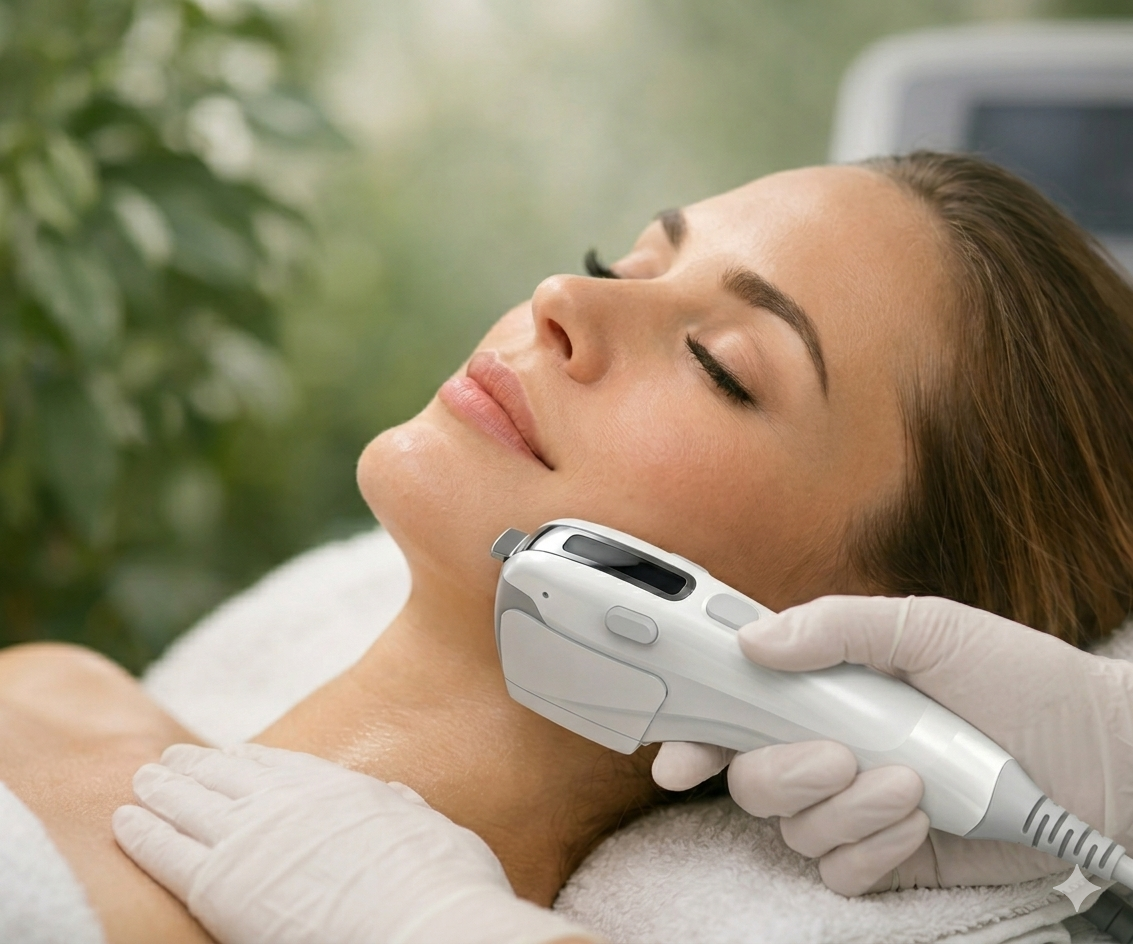
If your skin feels a little less firm than it once did, but you are not ready for anything invasive, hifu skin tightening treatment often sits in the sweet spot. It is one of the most requested advanced facial treatments for clients who want a fresher, subtly lifted look without needles, surgery or significant downtime. The appeal is simple – natural-looking support for the skin, delivered in a way that fits around real life.
“Feeling cared for is not separate from seeing results – it is part of the experience.”
What is hifu skin tightening treatment?
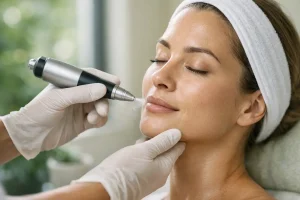
HIFU stands for High-Intensity Focused Ultrasound. In aesthetic treatments, it is used to target deeper layers of the skin with focused ultrasound energy. That energy creates controlled thermal points beneath the surface, encouraging the skin’s natural repair response and stimulating fresh collagen production.
What makes HIFU different from many classic facial treatments is its depth. Rather than working only on the surface, it reaches into the structural layers that influence firmness and definition. This is why it is often chosen for concerns such as softening along the jawline, mild sagging through the lower face, crepey skin on the neck, and a general loss of skin bounce.
For many clients, the attraction is that the skin is encouraged to strengthen itself over time. The result is not a dramatic overnight change, but a gradual improvement that can look elegant and believable.
How HIFU skin tightening treatment works beneath the surface
As we age, collagen and elastin production naturally slow. Skin can begin to look thinner, looser and less defined, especially around the cheeks, jaw, neck and brow area. HIFU works by delivering energy precisely to selected depths, where it triggers a wound-healing response without damaging the outer skin.
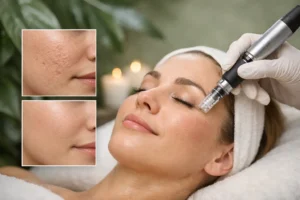
That process matters because collagen is the framework that helps skin stay firm. After treatment, the body begins rebuilding and remodelling those collagen fibres. Some clients notice a small initial lift quite quickly, but the fuller effect develops more gradually over several weeks and months as new collagen forms.
This slower timeline is often a positive. Results tend to appear refined rather than obvious, which suits clients who want compliments on looking well rested or fresher, not questions about what they have had done.
What concerns can it help with?
HIFU is best suited to mild to moderate skin laxity. In practical terms, that can mean early jowling, a softening jawline, mild drooping beneath the chin, or skin that no longer looks as taut as it once did. It can also be used on certain areas of the body depending on the treatment plan and the device being used.
It is not a replacement for surgery, and that distinction is worth being clear about. If there is significant loose skin or a client wants a very dramatic lift, HIFU may not be the right route on its own. Where it shines is in the in-between stage – when you can see changes developing and want to support firmness before those changes become more pronounced.
For that reason, it tends to appeal to women who are proactive about skin health and prefer treatments that work with the skin rather than against it.
What does the treatment feel like?
One of the first questions clients ask is whether HIFU is painful. The honest answer is that sensation varies. Most people describe it as sharp warmth, tingling, or small flashes of heat deep in the skin as the energy is delivered. It is usually very manageable, but some areas can feel more intense than others, especially over bonier parts of the face.
A professional consultation is important here, because comfort, treatment depth and intensity should all be tailored properly. A thoughtful practitioner will balance effective settings with the client’s tolerance and treatment goals. Luxury in advanced aesthetics is not only about the surroundings – it is also about being treated with care, precision and honesty.
Afterwards, the skin may look slightly flushed and feel a little tender, but most clients return to normal activities quickly. That low downtime is one of the reasons HIFU is so popular with busy professionals, mothers and anyone who cannot carve out days for recovery.
When will you see results?
HIFU asks for a little patience. Some tightening can be visible quite soon after the session, but the most meaningful results usually develop over 8 to 12 weeks, with improvement continuing for several months. That is because collagen renewal takes time.
How long results last depends on the individual – age, skin condition, lifestyle and the area treated all play a part. Many clients enjoy results for several months and sometimes longer, especially when they maintain their skin well and follow a treatment plan that makes sense for them.
This is where expectations matter. HIFU can create a fresher, firmer, more defined look, but it is not about changing your face. The best outcomes preserve your natural features while helping you look more lifted and rested.
Who is a good candidate?
The ideal client for hifu skin tightening treatment is usually someone noticing the early to mid signs of skin laxity and wanting a non-surgical option. If your skin still has reasonable elasticity but needs support, you may respond very well.
It can be especially appealing if you want visible improvement but prefer a treatment with minimal interruption to your routine. Brides preparing ahead of their wedding, women returning to skincare after a busy period, or clients simply wanting to feel more confident in photographs often find it a thoughtful choice.
That said, suitability always depends on the person in front of you. Very loose skin, certain medical conditions, some underlying skin issues, and unrealistic expectations can all mean another treatment would be more appropriate. An expert consultation should never feel rushed. It should leave you feeling informed, comfortable and confident in the plan.
How does HIFU compare with radio frequency and microneedling?
Clients often ask whether they need HIFU, radio frequency, microneedling, or a combination. The answer depends on what is driving the concern.
HIFU is generally chosen for lifting and tightening deeper structural layers. Radio frequency is often excellent for skin firmness, texture and a more surface-to-mid level collagen boost. Microneedling can be brilliant for texture, pores, fine lines and overall skin quality. They are not interchangeable, and they are not in competition.
In many cases, a tailored treatment journey gives the best result. A client might choose HIFU for deeper support, then maintain skin quality with facials, radio frequency or microneedling at the right intervals. That blend of results-driven treatment and personalised care is often what turns a single appointment into a trusted long-term routine.
Why provider expertise matters
HIFU is not a treatment to choose on price alone. Device quality, practitioner training, treatment mapping and honest assessment all make a meaningful difference. Used well, it can be a refined and effective option. Used poorly, it can lead to disappointment simply because the treatment was not right for the client or was not delivered properly.
A premium salon and aesthetics setting should offer more than a machine. It should provide clear consultation, hygiene you never have to question, thoughtful aftercare, and a treatment plan shaped around your face, your skin and your goals. That level of detail is what helps results feel both luxurious and trustworthy.
For clients in Pangbourne, Reading and Tilehurst who want advanced skin treatments without losing the warmth of a personal salon experience, that combination matters. Feeling cared for is not separate from seeing results – it is part of the experience.
Preparing for your appointment and caring for skin afterwards
Preparation is usually straightforward. Arrive with clean skin, follow any pre-treatment advice given by your practitioner, and be ready to talk honestly about your medical history, skincare habits and expectations. Good results begin with good planning.
After treatment, skin should be treated gently. Your practitioner may advise avoiding excessive heat, intense exercise or certain active skincare products for a short period, depending on the area treated and your skin’s sensitivity. Hydration, consistent SPF and a well-chosen home routine all support the skin as it renews itself.
There is also the bigger picture to consider. No treatment can completely outpace smoking, chronic stress, poor sleep or inconsistent skincare. HIFU works best when it is part of a wider approach to skin health, not a quick fix dropped into an otherwise neglected routine.
Is it worth it?
For the right client, yes – very much so. HIFU offers something many people are looking for: a non-surgical route to firmer, more supported skin, with results that unfold naturally and fit beautifully into modern life. It is not the right treatment for every concern, and the best practitioners will say so when that is the case.
If you are considering hifu skin tightening treatment, the most valuable first step is not the treatment itself but the consultation. A calm, expert assessment can tell you whether HIFU is likely to give you the elegant lift you want, or whether another route would serve your skin better. When luxury meets expertise, confidence tends to follow.