A chemical peel can leave skin looking clearer, smoother and beautifully refreshed, but it should never be treated as a one-size-fits-all facial. If you are asking, are chemical peels safe, the reassuring answer is that they can be – when the peel, strength and treatment plan are carefully matched to your skin by a properly trained professional.
The word “chemical” can sound intimidating, yet many peels use familiar active ingredients such as lactic acid, glycolic acid, salicylic acid or mandelic acid. These ingredients encourage the shedding of tired surface skin cells and support fresh, more even-looking skin beneath. The results can be wonderfully confidence-boosting, but safety lies in the detail: your skin history, your current routine, the type of peel selected and the care you give your complexion afterwards.
“A professional peel is tailored, not simply chosen from a menu because it promises glow.”
Are Chemical Peels Safe for Every Skin Type?
Not automatically. A professional peel is tailored, not simply chosen from a menu because it promises glow. Your practitioner should assess your skin type, sensitivity, concerns, lifestyle and medical history before recommending treatment.
For someone concerned with congestion and occasional breakouts, a salicylic acid peel may be suitable. For dullness, fine lines or uneven texture, an AHA peel such as glycolic or lactic acid may be considered. Mandelic acid is often appreciated for its gentler profile, while still providing visible refinement. The best choice depends on far more than the concern you can see in the mirror.
Skin tone also deserves considered attention. Anyone prone to post-inflammatory hyperpigmentation, including many clients with deeper skin tones, needs a particularly thoughtful approach. Inflammation can trigger unwanted pigment changes, so an experienced practitioner may recommend a gentler peel, careful preparation and a gradual treatment course rather than pursuing a dramatic result in one appointment.
Safety also depends on peel depth. Superficial peels work primarily within the uppermost layers of the skin and are commonly used in professional salons and aesthetic settings. Medium-depth and deep peels penetrate further, involve more significant downtime and carry greater risks. These should only be carried out in an appropriately clinical setting by a suitably qualified medical professional.
The Consultation Is Where Safe Results Begin
A polished treatment experience begins long before product reaches the skin. A thorough consultation protects your comfort and your results. It should cover allergies, previous reactions, skin conditions, medications, recent treatments and the products you use at home.
Retinoids, exfoliating acids, benzoyl peroxide and some acne treatments can all affect how your skin responds. Recent waxing, laser treatments, microneedling or other intensive procedures may mean postponing a peel. Even a seemingly minor detail, such as a healing blemish or a patch of eczema, can change the right decision for that day.
There are times when a practitioner should advise against treatment altogether. Chemical peels are usually postponed if you have active cold sores, broken or infected skin, a flare-up of rosacea or eczema, a fresh sunburn, or if you are using medication that makes the skin unusually sensitive. Pregnancy and breastfeeding do not always rule out every facial treatment, but they do require a careful ingredient-led discussion and a more conservative plan.
A patch test may be recommended, particularly if you have reactive skin or are new to professional peels. It is a small step that can provide valuable reassurance. A good practitioner will never rush past your questions or persuade you into a peel that does not feel right for your skin.
What a Safe Chemical Peel Appointment Feels Like
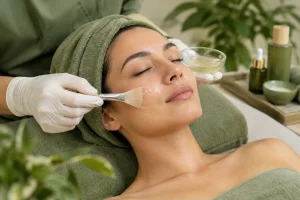
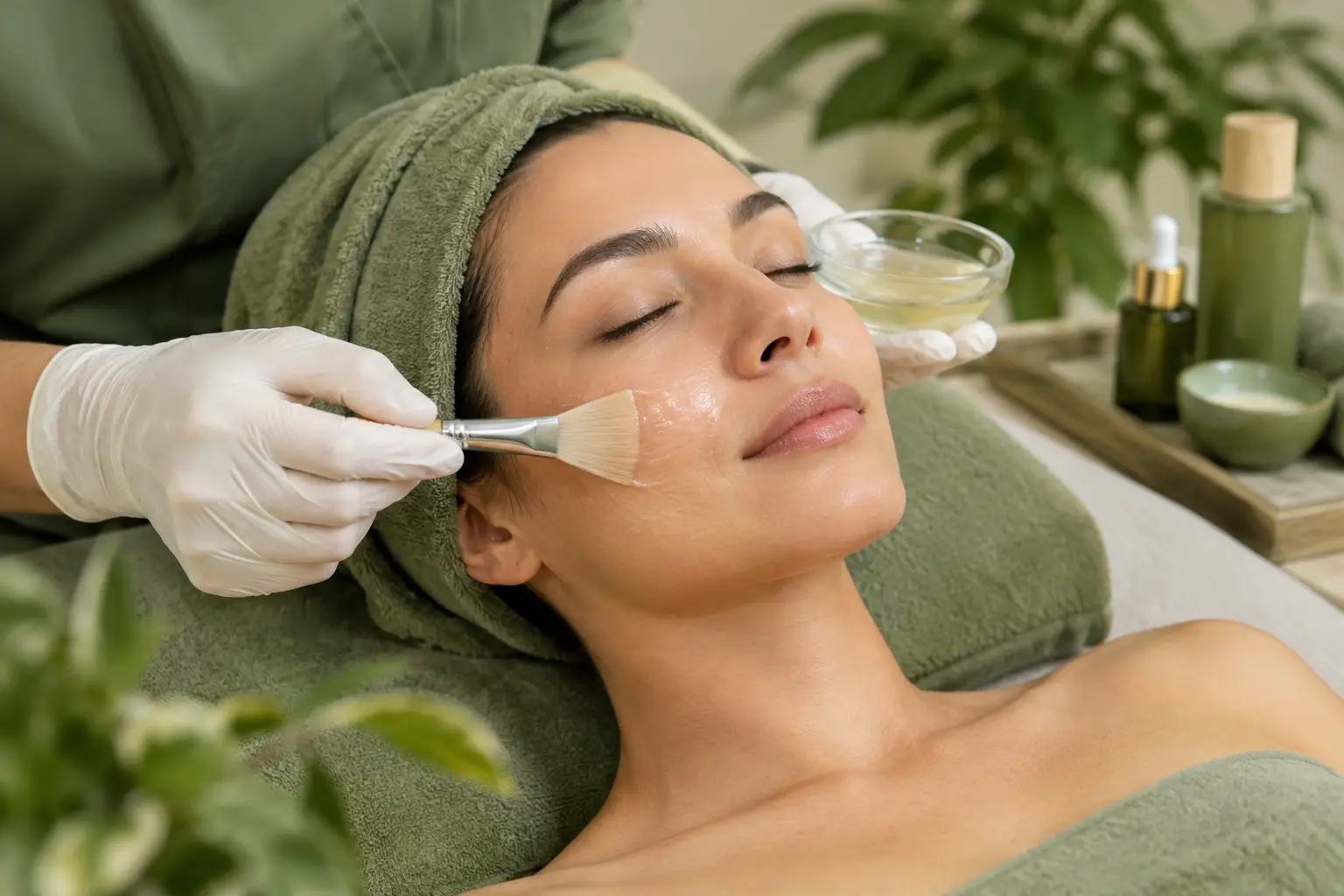
During a superficial peel, it is normal to feel warmth, tingling or a mild prickling sensation while the solution is active. This should be closely monitored and should not become intense or unbearable. Your practitioner should explain what to expect, check in with you throughout and remove or neutralise the peel at the appropriate time.
Following treatment, skin may appear slightly pink or feel tighter than usual. Some people experience light flaking over the next few days, especially after a stronger superficial peel. Others simply notice a healthy, polished glow. The level of visible peeling is not a measure of success. In fact, chasing dramatic shedding can compromise the skin barrier and create unnecessary irritation.
A high-quality appointment should feel calm, clean and unhurried. Strict hygiene, professional-grade products and clear aftercare are all part of the treatment, not optional extras. At The Beauty Box Pangbourne, the aim is always to pair visible skin results with the comfort and personal care that make a treatment feel like time well spent.
Preparing Your Skin Without Overdoing It
Your practitioner will give instructions based on the peel being used, but preparation is generally about keeping the skin calm and supported. Avoid introducing new active products shortly before your appointment. You may be asked to pause retinol, exfoliating acids or scrubs for several days, and to avoid waxing or hair removal on the treatment area.
Sun protection is essential before a peel, not just after it. Skin that is sunburnt, irritated or recently tanned is not in the ideal condition for exfoliation. If you are planning a beach holiday, a wedding or another important event, allow enough time for a professional consultation and any settling period. A first peel the day before a major occasion is rarely the most luxurious route to radiant skin.
Be open about your skincare routine, even if it is mostly products purchased over the counter. Combining several powerful actives without realising it is a common reason for sensitivity. Your treatment professional can help simplify your routine so your skin arrives balanced rather than overworked.
Aftercare Protects Your Glow
The days after a peel are when your skin needs gentle support. Use a mild cleanser, a nourishing moisturiser and broad-spectrum SPF every morning. Avoid heat, vigorous exercise, saunas, steam rooms and swimming pools for the period advised by your practitioner, as these can aggravate freshly treated skin.
Resist the temptation to pick at peeling skin. Pulling at flakes can lead to irritation, redness and uneven pigment. Let the skin shed naturally, keep it comfortably hydrated and wait until you have been advised to restart retinol, acids, exfoliating tools or stronger acne products.
You should contact your practitioner promptly if you experience significant swelling, blistering, severe pain, increasing redness, signs of infection or a reaction that feels beyond the guidance you were given. These reactions are uncommon with well-chosen superficial peels, but taking concerns seriously is part of safe, professional care.
When Are Chemical Peels Safe to Repeat?
The right frequency depends on the peel and your skin’s response. Gentle superficial peels may be offered as a course, often spaced a few weeks apart, while stronger treatments require longer recovery. More is not always better. Your skin needs time to restore its protective barrier and respond to treatment.
For concerns such as acne marks, uneven tone or fine lines, a gradual programme is often more effective than one aggressive session. Combining a sensible homecare routine with appropriately timed professional treatments can create a refined, healthy-looking result without placing the skin under avoidable stress.
A chemical peel should leave you feeling cared for, not apprehensive. Choose expertise over intensity, be honest at your consultation and give your skin the gentle aftercare it deserves. The most beautiful results tend to come from treatments that respect your skin’s limits as much as they celebrate its potential.