A beautiful wax is not simply about leaving with silky-smooth skin. It is about arriving feeling prepared, being cared for by a skilled therapist, and allowing your skin the best possible chance to settle beautifully afterwards. These waxing preparation steps take only a little planning, yet they can make a meaningful difference to your comfort and the finish of your treatment.
Whether you are fitting in a regular bikini wax between meetings, preparing for a holiday, or maintaining your favourite brow shape, thoughtful preparation helps your appointment feel calm, polished and reassuring from start to finish.
“A premium waxing appointment should never feel impersonal.”
Why preparation changes your waxing experience
Wax adheres to hair, but it also works closely with the surface of your skin. When skin is excessively dry, irritated, sun-exposed or covered in heavy products, treatment may feel less comfortable and the result can be less even. Preparing well allows the wax to grip the hair effectively while helping to protect the skin barrier.
There is no need for an elaborate pre-wax ritual. The aim is simple: clean, healthy-looking skin, hair at a workable length, and a little awareness of anything that could make your skin more sensitive. Your therapist will always assess the area and tailor the treatment to you, but a few sensible choices beforehand create the most luxurious experience.
Waxing preparation steps to take before your appointment
Let hair grow to the right length
For most areas, hair should ideally be around 5-10mm long, roughly the length of a grain of rice. This gives the wax enough to hold on to without making the treatment unnecessarily uncomfortable. If you have shaved recently, allow around two to three weeks of growth before your wax, although growth rates naturally vary.
Avoid trimming very short beforehand unless your therapist has advised it. For intimate waxing, longer hair can be carefully managed in the salon if needed, while hair that is too short may not lift cleanly. A slightly longer wait is often preferable to an appointment that cannot deliver the smooth result you had hoped for.
Exfoliate gently, not aggressively
Gentle exfoliation one or two days before your appointment can help release trapped hairs and lift dry surface cells. This is particularly useful on the legs, underarms and bikini line, where ingrown hairs can be a frustration. Choose a mild body exfoliator or use a soft exfoliating mitt with light pressure.
The key word is gentle. Do not scrub on the day of your wax, and avoid harsh acids, grainy scrubs or vigorous brushing on any area that feels tender. Over-exfoliating can leave skin sensitised, which is the opposite of what you want before hair removal.
Keep skin clean and product-light on the day
Arrive with freshly cleansed skin wherever possible. Skip body oils, rich moisturisers, self-tan and heavily fragranced products on the area being waxed, as they can create a barrier between the wax and the hair. Your therapist will cleanse the skin thoroughly as part of a professional treatment, but beginning with product-free skin supports a cleaner, more effective service.
For an underarm wax, it is sensible to avoid deodorant immediately beforehand. If you are having facial waxing, come without make-up on the treatment area if your schedule allows. It saves time, minimises unnecessary rubbing and lets your therapist see the skin clearly.
Think carefully about sun, heat and active skincare
Freshly tanned, sunburnt or heat-irritated skin should not be waxed. Plan your appointment away from prolonged sun exposure, saunas, steam rooms and very hot baths. If your skin looks pink, feels hot or is peeling, give it time to recover and speak to the salon about rearranging.
Facial waxing deserves particular care if you use active skincare. Retinol, retinoids, exfoliating acids and certain acne treatments can make the skin thinner or more reactive. Let your therapist know what you use, including any prescribed medication, so they can advise safely. Do not stop prescribed treatment without medical guidance, but do be open about it before your appointment. The same applies if you take medication that affects skin sensitivity or blood clotting.
Choose comfortable clothing and time your appointment well
Soft, loose clothing is a small luxury after a wax, especially for intimate, leg or underarm treatments. Tight waistbands, synthetic gym wear and restrictive trousers can create friction on freshly waxed skin. Cotton underwear and relaxed layers are usually the most comfortable choice.
If possible, avoid scheduling a wax immediately before a high-intensity workout, swim session or long day in close-fitting clothes. A quieter window afterwards gives your skin space to settle. For a special event or holiday, book your wax two to three days beforehand rather than leaving it until the last minute. This allows any temporary redness to fade and gives you time to enjoy the smooth result with confidence.
What to tell your therapist before waxing
A premium waxing appointment should never feel impersonal. Your therapist needs to understand your skin, your previous experience and the result you want, whether that is a tidy brow, a neat bikini line or a more complete intimate wax.
Mention if it is your first wax, if you have reacted to wax before, or if you are prone to ingrown hairs. Also share any allergies, skin conditions, recent cosmetic treatments, pregnancy, medication, recent surgery or changes to your skincare routine. These details are not an inconvenience – they help your therapist select the safest approach and give appropriate aftercare.
It is also worth saying if you are feeling nervous. Waxing is a personal treatment, and feeling comfortable matters. An experienced therapist will explain what to expect, work efficiently and respectfully, and check in with you throughout. At The Beauty Box Pangbourne, that individual attention is part of creating an experience that feels as reassuring as it is refined.
Preparing for specific waxing areas
Different areas need slightly different consideration. For brows and facial hair, avoid exfoliating acids and retinol on the surrounding skin in the days before treatment, based on your therapist’s advice. If you have recently had injectables, peels, microneedling or other advanced facial treatments, wait until your practitioner confirms waxing is suitable.
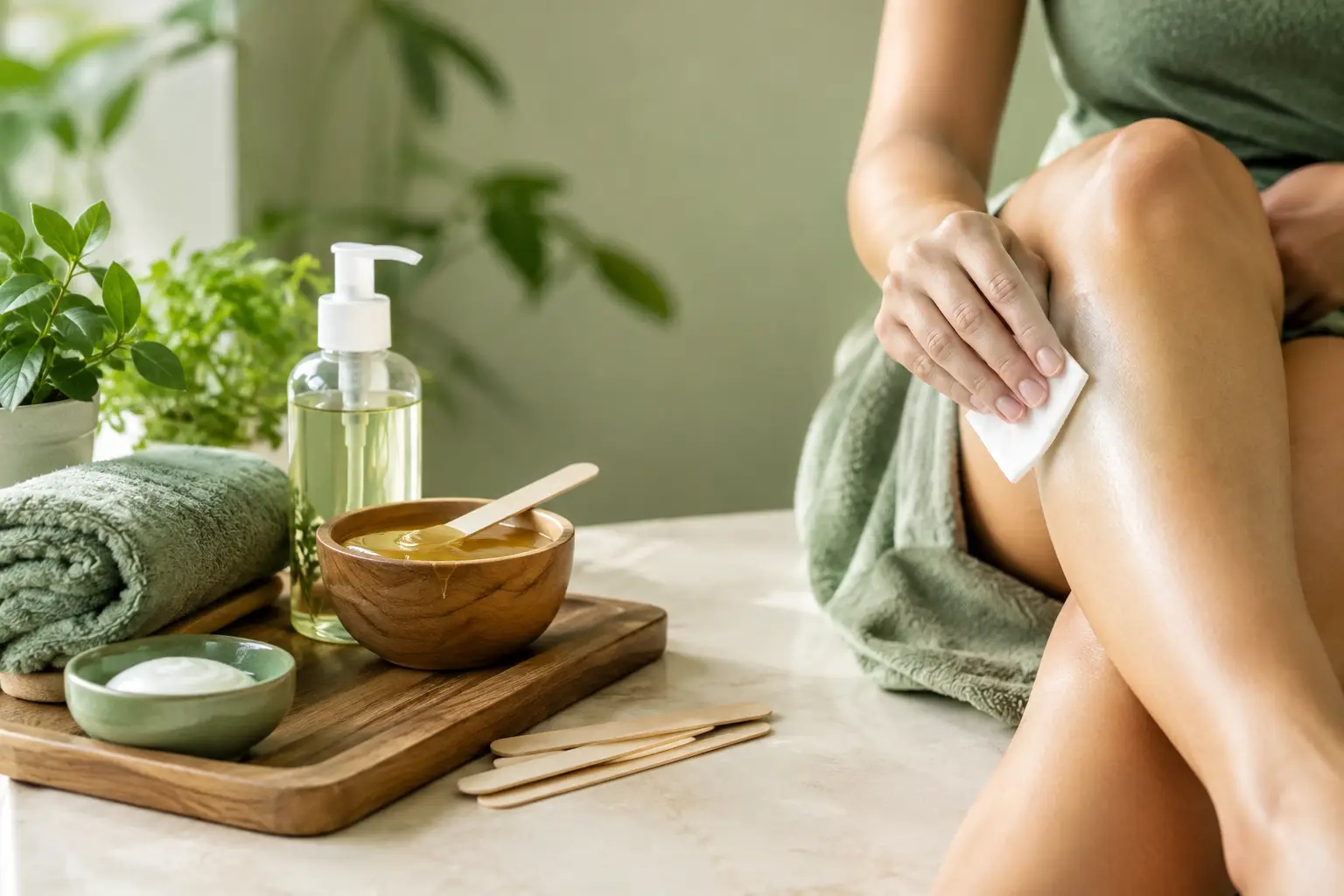
For legs, regular gentle moisturising in the week before can improve the feel of dry skin, but leave lotions off on the day itself. If you shave between appointments, resist the temptation close to your next wax – consistency is what helps hair grow into a cycle that is easier to remove.
For bikini and Hollywood waxing, comfort is often the priority. Wear breathable underwear, avoid tanning products and consider booking outside the most sensitive point of your menstrual cycle if you know that makes a difference for you. You can still be waxed during your period with appropriate hygiene measures, but sensitivity can be heightened, so many clients prefer to schedule around it when possible.
The evening before and the morning of your wax
The night before, a warm shower and a light exfoliation, if your skin tolerates it, are usually all you need. Moisturise the body afterwards if desired, then allow the area to be clean and free from product by the time of your appointment the next day.
On the morning itself, eat normally and drink water. Arriving hungry, rushed or overtired can make any beauty treatment feel more intense than it needs to be. If you commonly find waxing uncomfortable, ask the salon in advance what they recommend. Some clients find that avoiding excess caffeine beforehand helps them feel more relaxed, although everybody is different.
Avoid alcohol immediately before treatment, as it can increase sensitivity for some people. Pain relief is a personal and medical consideration, so seek advice from a pharmacist or healthcare professional if you are unsure what is suitable for you.
Plan ahead for polished aftercare
Preparation includes knowing what your skin will need afterwards. Freshly waxed skin benefits from a little breathing space. For the first 24 to 48 hours, avoid heat, friction, swimming pools, intense exercise, fragranced body products and direct sun exposure on the treated area. These are simple measures, but they can reduce the likelihood of irritation or blocked follicles.
Once the skin has settled, return to gentle exfoliation and moisturising several times a week to support soft, even-looking skin and help prevent ingrown hairs. Your therapist can recommend an aftercare routine that suits the area treated and your skin type.
Give yourself the grace to treat your appointment as a moment of care, rather than one more task to rush through. With the right preparation, waxing becomes a confident ritual: a little time set aside for skin that feels smooth, groomed and wonderfully looked after.