A brow treatment can look beautifully polished or slightly off, and the difference often comes down to millimetres. Professional brow mapping is the step that brings precision into the process, creating a shape that works with your bone structure, eye placement and natural brow growth rather than against it. When brows are mapped properly, the result feels refined, balanced and unmistakably yours.
For many clients, that matters more than chasing a trend. Full brows, lifted brows, softly defined brows – all can be flattering, but only when the shape is tailored to the face in front of the therapist. Brow mapping is where that tailoring begins.
“When brows are mapped properly, the result feels refined, balanced and unmistakably yours.”
What professional brow mapping actually is
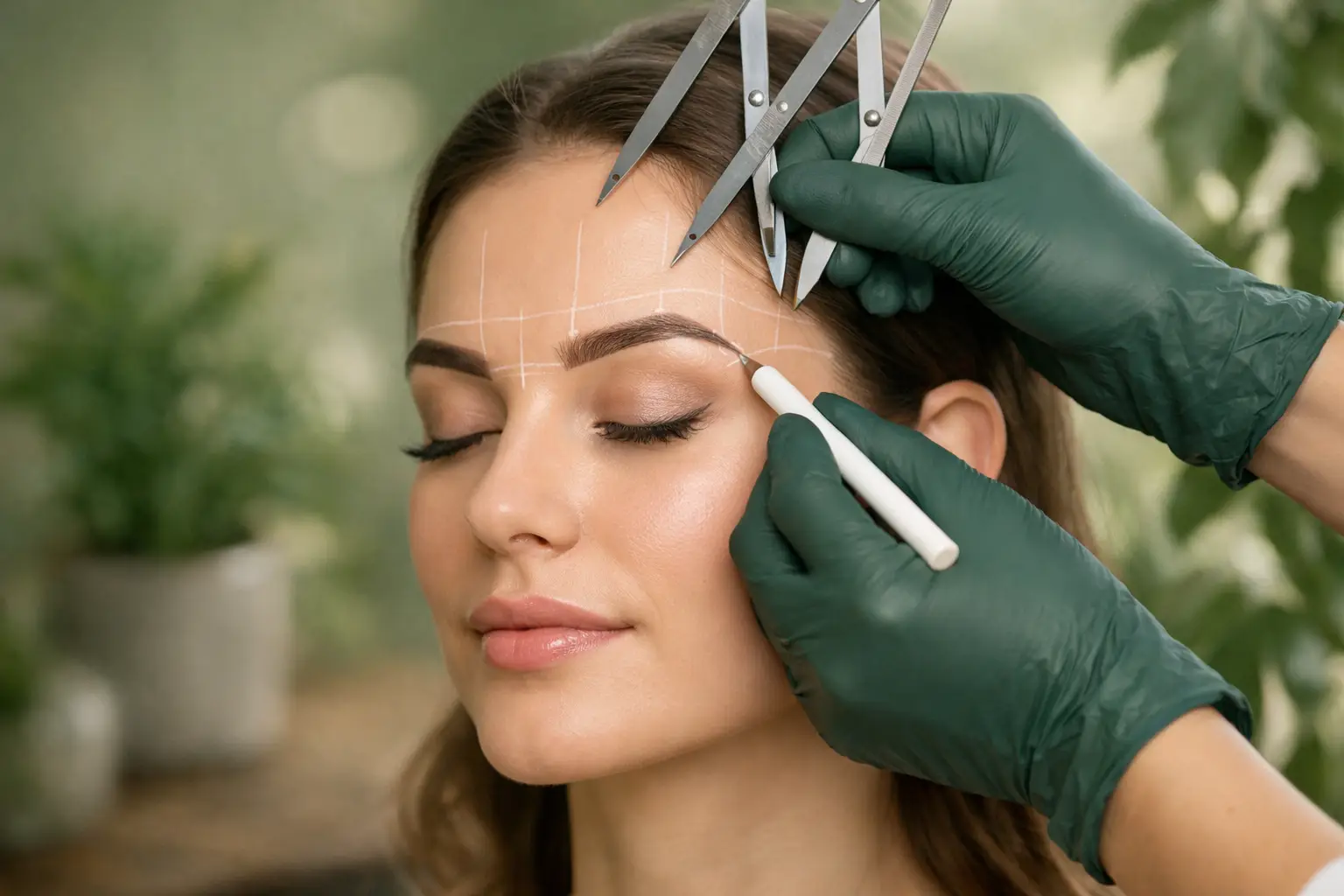
Professional brow mapping is a shaping method used before treatments such as waxing, tinting, threading, hybrid stain or lamination. It uses facial measurements and visual balance points to identify where each brow should ideally begin, arch and end. Rather than relying on guesswork or copying a popular shape, it creates a brow design based on proportion.
That sounds technical, and in many ways it is. A trained brow specialist will assess symmetry, natural hair density, the muscle movement around the eyes and the overall expression of the face. The aim is not to make both brows identical, because faces are not identical on each side. The aim is to create harmony, so the brows look like sisters rather than forcing them into an artificial uniformity.
This is one of the reasons professional mapping tends to produce a softer, more flattering result than over-tidying at home. It respects what is already there while refining shape with much more control.
Why professional brow mapping matters so much
Brows frame the eyes, but they also influence how the whole face is read. A brow that sits too low can make the eye area seem heavier. An arch placed too far in can create a permanently surprised expression. A tail that drops can drag the face down. Small changes affect the overall look far more than many people expect.
Professional brow mapping reduces that risk. Before any wax is applied or any tint is chosen, the structure is planned. That planning is what gives the final result its elegance. Instead of removing hair and hoping for the best, your therapist is working to a shape that has already been considered from every angle.
For clients who have experienced uneven brows, over-plucking in the past or patchy regrowth, mapping is especially valuable. It creates a clear route back to a more balanced shape. In some cases, that means keeping more hair than the client expected. In others, it means gently correcting years of compensating for asymmetry in the wrong area. Better brows are not always about taking more away.
How the mapping process works
A professional appointment usually starts with consultation. This is where brow goals, daily make-up habits, previous treatments and maintenance preferences come into the conversation. Someone who loves a softly groomed natural finish may need a very different approach from someone who wants stronger definition and regularly wears fuller eye make-up.
The brow area is then assessed in detail. A therapist may use mapping string, calipers, a measuring tool or a brow pencil to mark key points. These typically include the brow start, the highest point of the arch and the tail end. The lines are checked against the nose, eyes and natural brow ridge, then refined according to how the face moves and how much brow hair is realistically available.
This stage is part science, part artistic judgement. Measurements matter, but so does restraint. A shape can be mathematically neat and still not feel flattering if it ignores the client’s natural expression. That is why experience counts. Technical skill needs to sit alongside a trained aesthetic eye.
Once the map is in place, the treatment itself can begin. Whether the brows are being waxed, tinted or laminated, the mapped outline acts as the guide, helping every step feel more accurate and consistent.
Brow mapping and different brow treatments
One of the biggest misconceptions is that mapping is only useful for shaping. In reality, it improves almost every brow service.
Before waxing or threading, it helps prevent over-removal and keeps the finished line clean. Before tinting or hybrid stain, it provides a clear boundary so colour placement looks intentional rather than blocky. Before lamination, it gives structure to the final brushed-up effect, which is particularly important because lifted brow hairs can exaggerate an unbalanced shape if the foundation is poor.
Mapping is also helpful for clients growing their brows back. Instead of tidying reactively every few weeks, the therapist can shape with a longer-term goal in mind. That often leads to a much stronger result after a few appointments because the regrowth pattern is being managed properly.
The difference between a good brow and the right brow
A technically tidy brow is not always the right brow for the person wearing it. This is where a luxury, personalised service makes such a difference. The right brow should suit your features, yes, but it should also suit your style and comfort level.
Some clients want a polished brow that still feels understated enough for school runs, meetings and no-make-up days. Others want more definition because they prefer a dressed look even with minimal cosmetics elsewhere. Neither is better. The right result depends on lifestyle, personal taste and maintenance habits.
Professional brow mapping makes that customisation possible because it gives the therapist a framework to adjust from. A softer arch, a fuller front, a shorter tail or a slightly straighter line can all be chosen deliberately rather than by accident. That level of intention is what makes brows look expensive.
Can brow mapping fix asymmetry?
It can improve asymmetry significantly, but it cannot erase every natural difference, and that is worth being honest about. Almost everyone has one brow that sits a little higher, grows more densely or responds differently to facial movement. Mapping helps minimise those differences and create visual balance, but the result will still work with your face rather than pretending your features are perfectly mirrored.
In fact, the best brow results often come when a therapist avoids over-correcting. Chasing exact sameness can leave brows too thin, too harsh or too obviously shaped. A more sophisticated result comes from balancing proportion while preserving softness.
For clients who have old scars, sparse tails or uneven growth from years of tweezing, improvement may also take time. One appointment can create a cleaner shape, but several visits may be needed to guide the brows into their best long-term form.
Why expertise matters more than trends
Brow trends move quickly. Thin brows return, brushed-up brows dominate, soft straight brows become popular, then sculpted arches come back into fashion. The problem with following trends too closely is that brows are not as easy to reset as lipstick. One poor shaping decision can take months to grow out.
Professional brow mapping keeps the focus where it belongs – on what suits you. That does not mean the final look has to feel old-fashioned or overly safe. It simply means the trend is interpreted through your features, not imposed on them.
This is especially important if you are investing in regular brow maintenance. Consistency builds shape over time. A therapist who maps properly can refine the brow with each visit, preserve areas that need regrowth and keep the overall line looking elegant between appointments.
In a salon setting where luxury meets expertise, that level of care is part of the experience. It is not only about how the brows look when you leave. It is about feeling understood, well advised and confident that every detail has been handled with precision.
Who benefits most from professional brow mapping?
Almost anyone having a brow treatment can benefit, but it is particularly useful if your brows are naturally uneven, sparse from over-plucking, changing with age or difficult to shape at home. It is also valuable before weddings, holidays, photographs or any event where polished grooming makes a difference.
Clients who are new to brow treatments often find mapping reassuring because they can see the proposed shape before anything is removed. That takes much of the anxiety out of the appointment. For regular clients, it adds consistency, helping brows stay balanced over the long term rather than shifting slightly with each visit.
For women in Pangbourne, Reading and Tilehurst who want beauty treatments to feel both indulgent and trustworthy, this is often the detail that separates a pleasant appointment from a truly professional one.
Beautiful brows rarely happen by chance. They come from expertise, restraint and a clear understanding of what will flatter your face now and over time – and that is exactly why professional brow mapping is worth it.