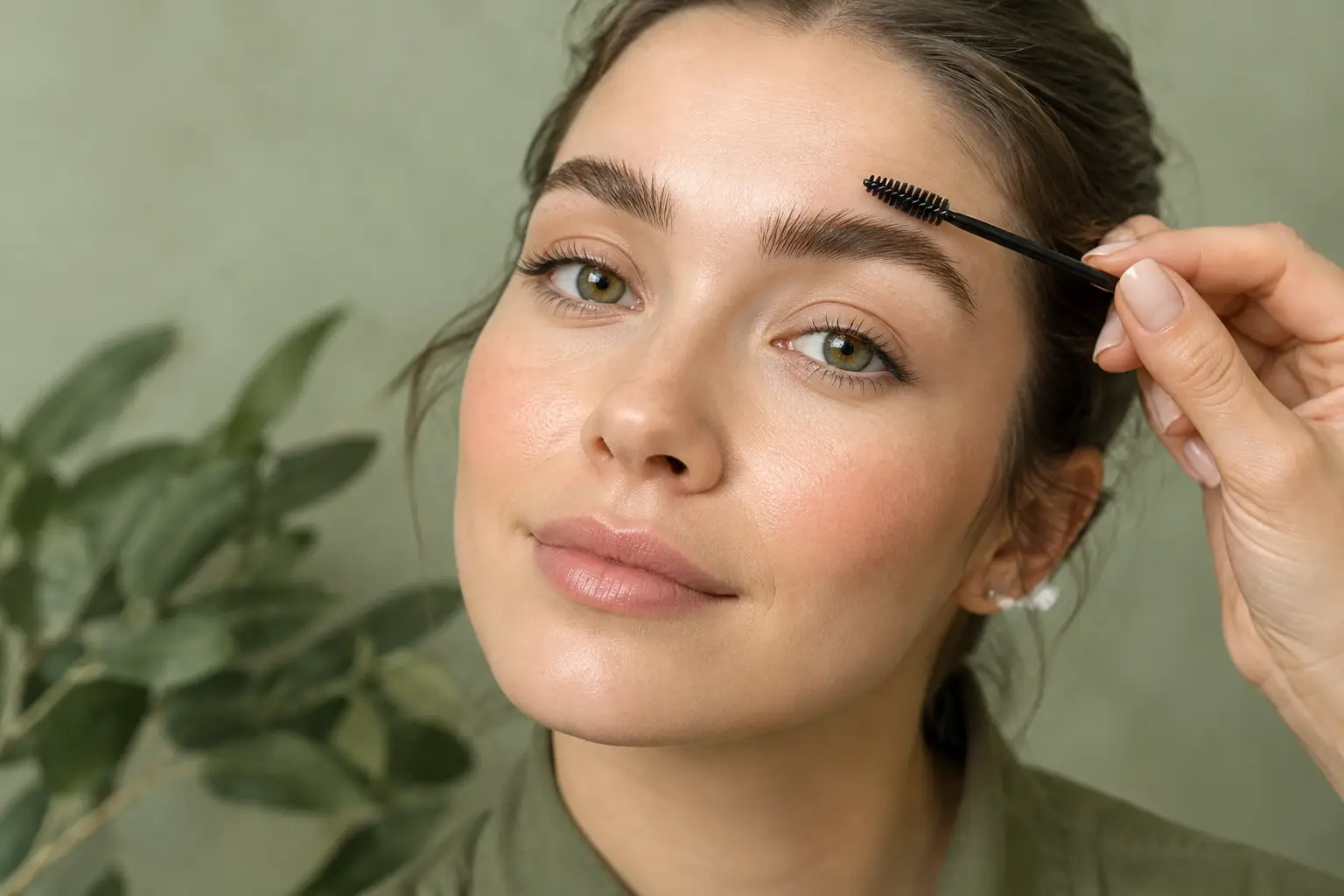
Your brows can change the balance of your whole face – yet not everyone wants the commitment, maintenance or drawn-on finish of a heavily defined brow. Brow lamination offers a polished middle ground: a professional treatment that relaxes and redirects the brow hairs so they can be styled into a fuller, softer and more lifted shape.
For clients who spend their mornings brushing unruly hairs into place, filling sparse areas with pencil, or wishing their natural brows looked a little more even, the appeal is clear. The finished effect can be beautifully understated or fashionably fluffy, depending on your features, hair growth and personal style. It is less about creating somebody else’s brows and more about making the most of your own.
“It is less about creating somebody else’s brows and more about making the most of your own.”
What is brow lamination?
Brow lamination is a salon treatment designed to make the natural brow hairs more flexible and easier to position. A trained brow therapist applies a carefully controlled lifting solution, shapes the hairs into the most flattering direction, then uses a setting solution to hold that new placement. The treatment is usually completed with a nourishing conditioning step and, where suitable, a tint and tidy.
The result is not a tattoo, a brow transplant or a permanent change. Rather, it gives each individual hair a more uniform direction, which can make brows appear denser, wider and more symmetrical. Fine hairs that normally sit flat against the skin can be brushed upwards, while stubborn hairs can be guided into a neater line.
A bespoke approach matters here. The most flattering laminated brow is not always the biggest or most dramatic one. At The Beauty Box Pangbourne, the aim should be a shape that complements your facial proportions, feels comfortable to wear and still looks like you.
The look: polished, full and naturally lifted
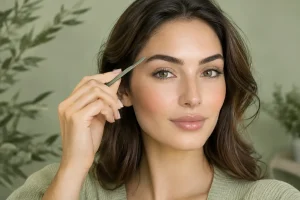
Laminated brows are often associated with the brushed-up, editorial brow seen on social media. That look is possible, but it is only one option. A softer treatment can add just enough lift to open the eye area and make brows look groomed without appearing overly styled.
For someone with naturally full brows, lamination may simply bring consistency to hairs that grow in different directions. For those with a few gaps, it can help neighbouring hairs sit across the area more effectively, creating the impression of better coverage. A tint can enhance paler hairs and add definition, while precise waxing, threading or tweezing creates a cleaner outline.
There are limits, and an honest consultation should acknowledge them. Brow lamination cannot create hairs where there are none, nor will it fully disguise substantial hair loss or scarring. In those cases, a brow tint, make-up advice or another brow-enhancing option may be more appropriate. Good brow work is about choosing the right treatment, not offering the same answer to every face.
Who does brow lamination suit?
Brow lamination can work particularly well for brows that feel unruly, downward-growing, uneven or reluctant to stay in place. It is also a lovely choice before a holiday, wedding, special occasion or busy season when you would like to reduce the time spent on your make-up routine.
It tends to suit clients who enjoy a fuller brow but prefer to work with their natural hair rather than rely on daily products. Mature clients can also love the gentle lifting effect, especially when brow hairs have become coarser or begun to point downwards. The treatment can give a fresher, more awake appearance without changing the character of the face.
That said, suitability depends on the condition of your brow hairs and skin. Very dry, damaged or recently over-processed hairs may need a period of conditioning first. Active irritation, broken skin, sunburn, eczema or dermatitis around the brow area can mean postponing treatment until the skin is calm. If you use prescription skincare, have recently had an exfoliating or resurfacing treatment, or are unsure about an ingredient sensitivity, mention this before your appointment.
A patch test is an essential part of responsible brow care, particularly if tint is included. It helps identify potential sensitivity before treatment day and should never be treated as an optional extra.
What happens at your appointment?
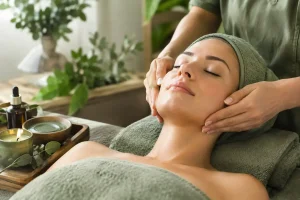
A professional brow lamination appointment begins with a consultation. Your therapist will discuss the shape you like, how you usually wear your brows and whether you favour an airy, feathery finish or a more sculpted result. They should also assess the hair direction, density and condition before recommending a plan.
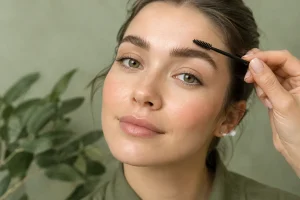
After cleansing the area, the brow hairs are gently brushed into position. The lifting and setting products are applied for carefully timed stages, with the timing tailored to the hair rather than rushed. Once the treatment is complete, a tint may be applied to add depth, followed by shaping to refine the edges. A nourishing serum or conditioning product helps leave the hairs feeling cared for.
The appointment is a moment to relax, but expertise still matters. Chemical treatments near the eyes demand meticulous hygiene, correct product handling and a therapist who knows when a brow should be treated more gently – or not treated at all.
How long does brow lamination last?
Most clients enjoy their brow lamination for around six to eight weeks, although this varies with your natural brow growth cycle, hair texture and aftercare. Coarser hairs may hold their direction differently from very fine hairs, and the effect gradually softens as new hairs grow through.
You will still need to brush your brows into place each morning, but this normally takes seconds rather than several minutes. A clean spoolie and a small amount of brow gel, if desired, can keep the finish looking intentional. Many clients find they need less pencil, powder or pomade afterwards, though make-up can still be used for extra definition on an evening out.
Avoid rebooking too soon simply because you love the result. Giving brow hairs adequate time between chemical services helps preserve their condition. Your therapist can advise on an appropriate maintenance schedule for your particular brows.
Brow lamination aftercare that protects the result
The first 24 hours are the most important. Keep the brows dry and avoid steam, swimming, sweaty exercise, saunas and oil-rich products directly over the area. This gives the treatment time to settle properly.
After that initial period, treat your brows with a little kindness. Brush them gently rather than pulling at them, remove make-up carefully, and use a conditioning product recommended by your therapist if your hairs are prone to dryness. Strong exfoliants, retinoids and facial acids should be kept away from the brow area where possible, especially if your skin is sensitive.
It is tempting to keep touching freshly laminated brows because they look so neat. Resist the urge. Repeated rubbing can disturb the shape and is rarely kind to the delicate skin around the eyes.
Brow lamination versus a brow tint and tidy
A tint and tidy adds colour and definition, with hair removal used to sharpen the shape. It is ideal if your brows already sit well but look fair, faded or slightly untidy. Brow lamination changes the direction and styling potential of the brow hairs as well as offering the option of tinting and shaping.
For some clients, a simple tint and tidy is the elegant choice. For others, lamination delivers the fuller, lifted result they have been trying to achieve with gels and pencils at home. The right choice depends on your starting point, lifestyle and how noticeable you want the change to be.
Beautiful brows should make getting ready feel easier, not make you feel unlike yourself. Whether you choose a softly groomed finish or a fuller brushed-up effect, the best result is one that feels polished, comfortable and entirely your own.