One of the most common questions we hear in the treatment room is how often should you get waxing if you want skin to stay consistently smooth without feeling as though you are always booking your next appointment. The honest answer is that there is no single timetable that suits everyone. Hair growth, treatment area, hormones, previous hair removal habits and even your diary all play a part.
That said, there is a pattern most clients settle into once they move from occasional appointments to regular maintenance. Waxing works best when hair is caught in the right stage of growth, so timing matters. Book too soon and some hairs may be too short to lift cleanly. Leave it too long and regrowth can feel more noticeable than it needs to.
“Waxing works best when hair is caught in the right stage of growth, so timing matters.”
How often should you get waxing for the best results?
For most areas of the body, every 4 to 6 weeks is the sweet spot. This gives the hair enough time to grow to an ideal length while still keeping the skin looking polished. Many clients begin at the 4-week mark, then adjust slightly depending on how quickly their hair returns and how smooth they like to feel between visits.
Regularity makes a real difference. When waxing appointments are spaced consistently, more hairs begin to grow on a similar cycle. Over time, this often means softer regrowth, better removal and a smoother finish that lasts longer. If appointments are very irregular, hair can grow in at different stages, which makes the result feel less even.
Different areas, different schedules
Not every part of the body follows the same rhythm. Facial hair, for example, tends to reappear more quickly than leg hair, while underarm hair can sit somewhere in between.
Legs
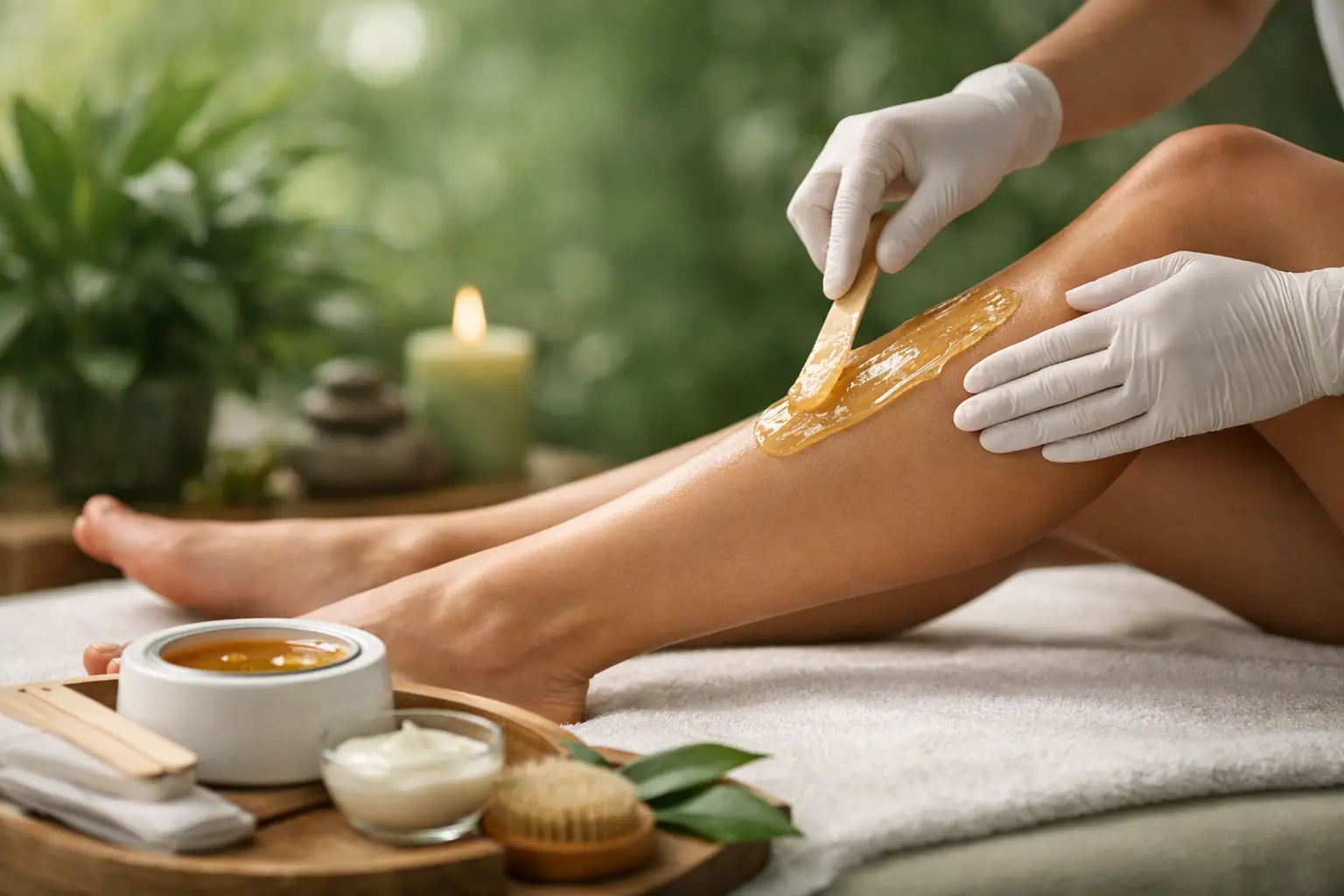
Leg waxing is often booked every 4 to 6 weeks. If you are new to waxing after years of shaving, you may find regrowth seems quicker at first because the hairs are not yet aligned on one cycle. After a few regular appointments, many clients notice longer-lasting smoothness and finer regrowth.
Full leg waxing can be ideal before holidays, events or simply as part of a monthly beauty routine. If you prefer never to feel stubbly, 4 weeks may suit you better. If your hair grows more slowly, 5 or 6 weeks may feel perfectly comfortable.
Bikini and intimate waxing
Bikini waxing is usually best every 4 to 5 weeks. This area often benefits from consistency because the hair can be coarser, and regular waxing can help it return more softly over time. If you leave it much longer than 6 weeks, the appointment can feel a little less comfortable simply because there is more hair to remove.
For clients who like to stay especially neat, such as before a beach break or special occasion, a 4-week rhythm often works beautifully. If your growth is slower, 5 weeks can still maintain a clean result.
Underarms
Underarm hair tends to grow fairly quickly, so many people book every 3 to 4 weeks. This area is small, but because growth can be noticeable sooner, shorter intervals are common. Regular waxing here can make a visible difference to how soft the regrowth feels.
Brows and facial waxing
Brows usually need tidying every 2 to 4 weeks, depending on how defined you like your shape. Some clients prefer a very crisp brow line and book frequently, while others are happy with a softer grow-out. Facial waxing for areas such as the lip or chin is often booked on a similar schedule, usually around every 3 to 4 weeks.
Because these areas are so visible, even a small amount of regrowth can feel more obvious. The right timing is often less about what is technically necessary and more about when you feel your most confident.
What affects how often you should get waxing?
The simple 4 to 6 week guideline is useful, but there are personal factors that can shift your ideal schedule.
Your natural hair growth is the biggest one. Some people have fast, dense regrowth and prefer more frequent appointments. Others can comfortably wait longer. Hormonal changes can also influence this, including pregnancy, menopause or conditions that affect hair growth patterns.
Your history with hair removal matters too. If you have been shaving regularly, hairs may be on mixed growth cycles at first. After several waxing appointments, things often settle. This is one reason the first few months of waxing may require a little patience.
The treatment area also changes the timeline. Coarser hair can feel more noticeable as it grows back, while finer hair may allow for longer gaps between appointments. Skin sensitivity can play a part as well. Some clients prefer to wait until the skin feels fully settled before their next treatment, particularly in delicate areas.
Then there is lifestyle. If you have a wedding, holiday, event season or simply enjoy being consistently groomed, you may book a little earlier. If your aim is low-maintenance upkeep, you might stretch your appointments slightly.
Signs it is time to book again
You do not need to rely on guesswork. In most cases, it is time to rebook when the hair is around 0.5 cm long, or roughly the length of a grain of rice. That tends to be enough for the wax to grip properly without the area feeling overly grown out.
If you are noticing patchy regrowth, that does not always mean you left it too long. It can simply mean some hairs are growing on slightly different cycles. With regular appointments, this often becomes more uniform.
A good rule is to avoid booking too soon just because a few hairs have appeared. If they are too short, the result will not be as clean. Equally, if you wait until the hair feels fully established, you may be dealing with a less comfortable treatment and less polished in-between periods.
How to make your waxing results last longer
A beautifully timed appointment helps, but aftercare has a real impact on how smooth your skin looks and feels between visits.
Gentle exfoliation a few times a week can help reduce the chance of ingrown hairs, especially on the legs, bikini line and underarms. It is best to wait at least 48 hours after your treatment before exfoliating. Hydrated skin also tends to look and feel better, so regular moisturising matters.
It is worth avoiding shaving between appointments if you want the best long-term waxing result. Shaving disrupts the growth cycle that regular waxing is trying to improve. Once that cycle becomes more consistent, appointments often become easier to manage and more effective.
Professional technique matters too. Cleanliness, product quality and proper preparation all affect comfort and finish. In a luxury salon setting, the difference is not only in the result but in how cared for you feel throughout the appointment.
Is there such a thing as waxing too often?
Yes, sometimes. If hair is too short, wax cannot always grip it properly, which can lead to uneven results. Overbooking may also irritate sensitive skin, particularly on the face or intimate areas.
This is where tailored advice is valuable. The best schedule is not the shortest possible gap between appointments. It is the one that respects your hair growth, your skin and the result you want. For some clients, that means every 3 weeks for brows and underarms. For others, it means every 5 or 6 weeks for legs and bikini maintenance.
How often should you get waxing if you are just starting?
If you are new to waxing, start by booking according to area rather than aiming for perfection straight away. Legs and bikini areas usually respond well to a 4-week schedule at the beginning. Underarms may need 3 to 4 weeks, while brows might sit closer to 2 to 3 weeks if you like them neat.
After two or three appointments, your therapist can usually see your growth pattern more clearly and advise on a rhythm that suits you. At The Beauty Box Pangbourne, that personalised approach is part of what makes regular maintenance feel far more relaxed. You are not trying to fit into a rigid beauty rule. The treatment plan is shaped around your skin, your lifestyle and your comfort.
Waxing is at its best when it feels like an effortless part of your routine rather than a last-minute fix. Once you find your timing, appointments become easier to plan, results feel more refined and the whole experience feels less like upkeep and more like care.