Freshly smooth skin can change how an outfit feels, how confidently you step into a holiday, or simply how polished you feel on an ordinary weekday. When comparing waxing vs shaving results, the real difference is not only how hair is removed, but how long the finish lasts, how regrowth feels, and what your skin needs afterwards.
Both methods have a place in a well-considered beauty routine. Shaving is quick and familiar, while waxing offers a longer-lasting smoothness that many clients enjoy as part of their regular self-care. The right choice depends on your skin, the area being treated, your diary, and the result you would love to maintain.
“The right choice depends on your skin, the area being treated, your diary, and the result you would love to maintain.”
Waxing vs shaving results at a glance
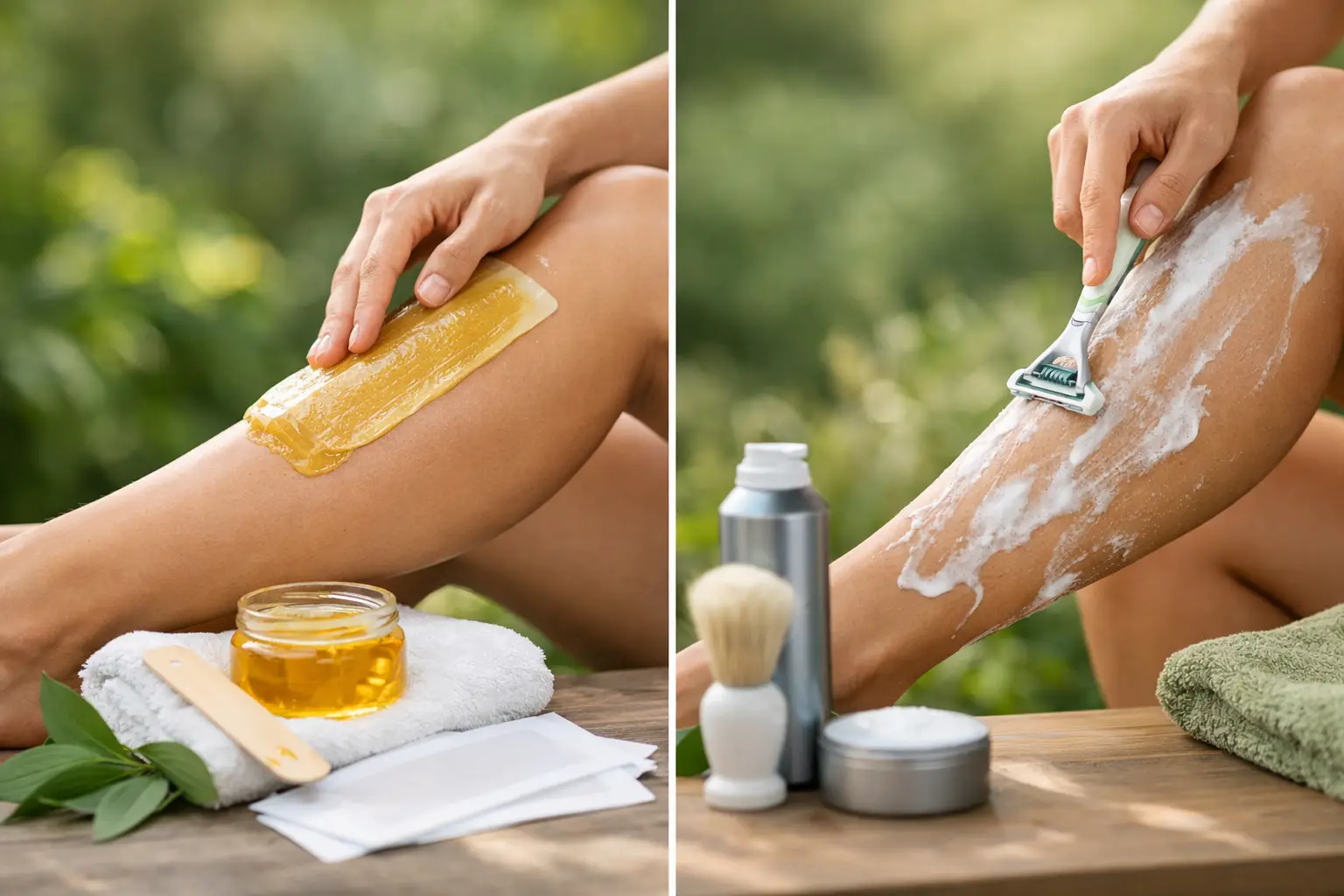
Shaving cuts the hair at skin level. This makes it a convenient option when you need a quick result, but because the hair remains in the follicle, it can reappear within a day or two. The finish is smooth immediately after shaving, although stubble can become noticeable quickly, particularly on underarms, legs and the bikini area.
Waxing removes hair from the root. As the follicle has to produce a new hair, skin generally stays smooth for considerably longer – often around three to six weeks, although every person’s hair-growth cycle is different. Regrowth tends to feel softer because it grows in with a tapered tip rather than the blunt edge created by a razor.
Neither approach is universally better. A razor can be ideal before an unexpected event or when you are between waxing appointments. Waxing is often the preferred choice for those who value a refined, longer-lasting finish and would rather not think about daily hair removal.
How long does each result really last?
For most people, shaving offers one to three days of noticeable smoothness. Some may see regrowth sooner, especially in areas with coarser or darker hair. Shaving every day can keep the skin feeling soft to the touch, but it can also become a chore and may leave sensitive areas feeling dry or irritated.
With waxing, hair is removed beneath the surface, so the visible result lasts longer. You may notice very fine new growth after two or three weeks, while a complete return of hair can take longer. Regular waxing appointments can make the routine feel more predictable, particularly once your hair begins to grow in on a more even cycle.
It is worth managing expectations here. Waxing does not stop hair growth permanently, and a single appointment will not make hair vanish forever. However, consistent waxing can mean that some clients find their regrowth appears finer or less dense over time. Hormones, genetics, medication and the treatment area all influence this, so results are always personal.
Why hair can seem thicker after shaving
Shaving does not make hair grow back thicker, darker or faster. This common belief comes down to texture. A razor cuts each hair straight across, leaving a blunt end that can feel more noticeable as it emerges from the skin. The new growth may also look darker against pale skin simply because it is more visible at the surface.
Waxed hair grows back with its natural tapered point, which is why it can feel softer. If the sensation of prickly stubble is one of your main frustrations, this is often the most compelling difference between waxing and shaving.
Smoothness, comfort and skin appearance
A close shave can look beautifully smooth at first, but it can be less forgiving for dry, reactive or ingrown-prone skin. Repeated razor passes, dull blades and shaving without enough slip can compromise the skin’s comfort. Common concerns include razor burn, small cuts, itchiness and shadowing around the underarm or bikini line.
Waxing can create a very polished finish because it removes the hair in one movement and lifts away a small amount of dead surface skin at the same time. The immediate result can be especially satisfying on legs, underarms and bikini areas. That said, waxing is not entirely sensation-free. There is a brief sting as the wax is removed, and the skin may appear pink or feel warm afterwards.
A skilled waxing therapist makes a meaningful difference. Correct wax selection, careful application, confident removal and thoughtful aftercare all help to protect the skin and keep your appointment as comfortable as possible. At a professional salon, hygiene matters just as much as technique: clean preparation, single-use applicators where appropriate and a calm, discreet approach allow you to relax into the treatment.
Sensitive skin and intimate areas
If your skin is sensitive, either option needs a little more care. Shaving can be gentler in the moment if you use a fresh blade, warm water and a suitable shaving product, but frequent shaving may still trigger irritation over time. Waxing may be suitable for sensitive skin when tailored properly, although it is not recommended over broken, sunburnt, highly irritated or recently exfoliated skin.
For intimate waxing, professional treatment offers reassurance as well as results. Your therapist can discuss the finish you would like, work at a comfortable pace and advise whether a bikini, high bikini, Brazilian or Hollywood style is right for you. There is no need to feel embarrassed – this is a familiar treatment, handled with care and professionalism.
Ingrown hairs: which method is kinder?
Both waxing and shaving can lead to ingrown hairs. They occur when new hair becomes trapped beneath the skin rather than growing outward, and they are particularly common in areas where hair is coarse, curly or subject to friction from tight clothing.
Shaving can contribute to ingrowns when hair is cut too closely, especially if you shave against the direction of growth. Waxing removes the whole hair, but new growth can still struggle to break through if dead skin cells build up around the follicle. The answer is not aggressive scrubbing. It is a consistent, gentle routine.
Once the skin has settled after waxing, light exfoliation two or three times a week can help keep follicles clear. Daily moisturising supports the skin barrier, while loose, breathable clothing immediately after a bikini or body wax can reduce friction. Avoid picking at bumps or trying to remove trapped hairs yourself, as this can cause inflammation and marks.
Preparation affects your waxing results
The best waxing result begins before you arrive. Hair needs enough length for the wax to grip – roughly the length of a grain of rice is a useful guide. If it is too short, the wax may not catch every hair; if it is very long, your therapist may need to trim it for comfort.
For 24 to 48 hours before your appointment, gently exfoliate if your skin tolerates it, then moisturise as usual. On the day, arrive with clean, dry skin and avoid applying heavy body oils or lotions to the treatment area. If possible, schedule waxing a few days before a special occasion rather than the night before, particularly if you are new to it or know your skin flushes easily.
There are a few occasions when waxing should be postponed. Active skin infections, open cuts, sunburn and certain prescribed skin treatments can make waxing unsuitable. Retinoid use deserves particular care, as it can make skin more fragile. Always tell your therapist about medications, allergies, recent treatments and any skin changes so your appointment can be tailored safely.
Aftercare for a beautifully smooth finish
After shaving, rinse away product thoroughly, pat rather than rub the skin dry, and apply a simple moisturiser. Replace your razor regularly and resist the temptation to keep going over the same patch of skin. A clean, sharp blade is one of the easiest ways to improve your result.
After waxing, give your skin a little breathing space for the first 24 hours. Avoid heat, friction and anything likely to cause sweating or irritation. That usually means skipping hot baths, saunas, intense exercise, swimming pools, perfumed body products and very tight clothing until the skin has calmed. Applying a soothing, fragrance-free product can help keep the area comfortable.
For the longest-lasting result, wait until you have enough visible regrowth before your next wax rather than shaving between appointments. This helps your therapist remove hair at the root and encourages a more consistent growth cycle. If you are planning regular holidays, an event or simply want one less task in your weekly routine, booking waxes at a reliable interval makes maintenance feel effortless.
So, should you wax or shave?
Choose shaving if speed, convenience and a no-appointment option matter most. It is useful for last-minute plans and can be managed easily at home when done with good technique. Just be prepared for frequent upkeep and the possibility of stubble, razor burn or ingrown hairs.
Choose waxing if you want weeks rather than days of smoothness, a softer feel as hair returns and a more polished result for legs, underarms or intimate areas. The treatment requires a little planning and a willingness to let hair grow to the right length, but many clients find the freedom from daily shaving well worth it.
At The Beauty Box Pangbourne, waxing is treated as a moment of expert, personalised care rather than a rushed task. Your skin, comfort and preferred finish should always guide the treatment. Whether you save shaving for the occasional emergency or make waxing part of your monthly ritual, the most beautiful result is one that leaves you feeling comfortable, cared for and confidently yourself.