A little preparation can make the difference between a treatment that simply goes ahead and one that feels comfortable, well-timed, and set up for the best possible results. If you are wondering how to prepare for laser hair removal, the aim is not to overcomplicate things. It is to arrive with the skin in the right condition, the hair at the right stage, and a clear understanding of what your practitioner needs from you.
Laser hair removal is a results-led treatment, but it is also a partnership. Your settings, skin tone, hair type, medical history, and recent sun exposure all matter. So does what you do in the days and weeks before your appointment. The more precisely those details are managed, the smoother the process tends to be.
“Laser hair removal is a results-led treatment, but it is also a partnership.”
Why preparation matters before laser hair removal
Laser works by targeting pigment in the hair follicle. That means the treatment is most effective when the follicle is intact and the surrounding skin is calm, untanned, and free from anything that could increase sensitivity. Good preparation helps your practitioner treat the area safely while giving the laser the best chance of focusing on the hair rather than competing with irritation, heat, or excess pigment in the skin.
This is also why laser is not a one-size-fits-all treatment. Someone booking underarms in winter may have very different pre-treatment advice from someone treating the face after a sunny holiday. The principles are consistent, but the timing can vary.
How to prepare for laser hair removal in the weeks before
The most important thing to avoid is removing the hair from the root. That means no waxing, threading, plucking, or epilating in the lead-up to treatment. If the root has been pulled out, the laser has less to target. Shaving is usually fine because it leaves the follicle in place, but methods that remove the whole hair can interfere with your results.
How long you need to stop depends on the area and your practitioner’s advice, but in general, give yourself a few weeks without waxing or plucking before your first session. If you have been relying on tweezers for facial hair or regular waxing for legs or bikini, it is worth planning ahead so you are not caught in that awkward in-between stage.
Sun exposure is the other big consideration. Fresh tanning, whether from sunshine or fake tan, can affect how safely and effectively the laser can be used. Tanned skin contains more pigment, which can make treatment riskier and may mean your appointment needs to be postponed or your settings reduced. If you know you want to begin a course of laser, it is often easier to start when your skin is at its natural tone and likely to stay that way for a while.
This is also the time to mention any medication changes or skin treatments. Certain prescriptions, topical products, and professional treatments can increase skin sensitivity. If you have recently started using retinoids, had a peel, or are taking anything that makes your skin more reactive to light, tell your practitioner well in advance. It does not always mean you cannot go ahead, but it may affect timing.
What to do in the days before your appointment
As your appointment gets closer, your focus should shift to keeping the skin calm. Avoid anything harsh or overly stimulating on the treatment area. Strong exfoliants, acids, retinol, and fragranced products can all leave skin more vulnerable than it looks. Even if your skin usually tolerates them well, laser is not the day to test its limits.
Hydration helps too. Well-cared-for skin tends to cope better with treatment, so keep the area moisturised unless you have been told otherwise. At the same time, avoid heavy oils on the day before or day of treatment if they leave residue on the skin.
You will usually be asked to shave the area shortly before your appointment. This is one of the most common points of confusion. The hair needs to be present beneath the skin, but not sitting long above it. If the surface hair is too long, it can absorb heat and make the treatment less comfortable. Shaving leaves the follicle in place while creating a cleaner surface for the laser.
Timing matters here. In many cases, shaving 12 to 24 hours before the appointment works well, but it depends on how quickly your hair grows and which area is being treated. Facial hair may need slightly different timing from legs or underarms. If you are unsure, ask rather than guess.
On the day: how to arrive ready
Come to your appointment with clean skin. That means no deodorant on underarms, no body lotion on legs, no make-up on the face, and no fake tan on the treatment area. These products can interfere with treatment or need to be removed first, which is not ideal for comfort or timing.
Wear loose, comfortable clothing if you can, especially for bikini line, legs, or body areas that may feel warm afterwards. Tight fabrics can rub against freshly treated skin and make you more aware of heat or sensitivity. Soft, breathable clothing tends to feel much better.
It is also wise to avoid vigorous exercise, saunas, steam rooms, or anything that will leave your skin hot and flushed just before treatment. Laser already introduces heat into the skin, so arriving cool and calm is preferable.
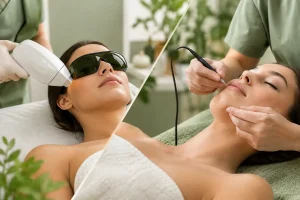
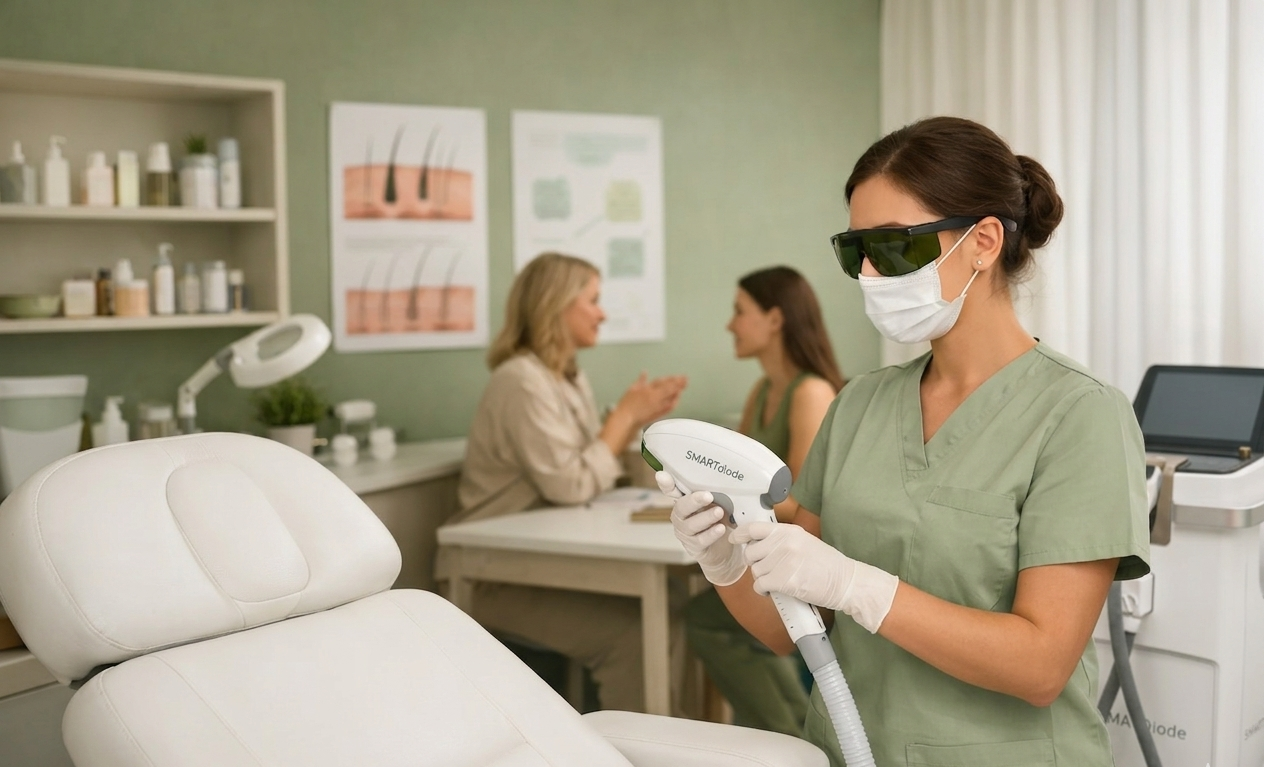
If it is your first session, allow enough time for consultation and patch testing if needed. A good clinic will not rush this part. Your practitioner should ask about your medical history, skin behaviour, hair growth, recent sun exposure, and previous hair removal methods. That level of detail is part of delivering a treatment that feels tailored rather than routine.
What not to do before laser hair removal
There are a few common mistakes that can make appointments less effective or mean they need to be delayed. The first is assuming all hair removal methods are interchangeable. They are not. Shaving is usually acceptable before laser, but waxing and plucking are not.
The second is underestimating the impact of sun exposure. Even a healthy-looking tan can affect your treatment plan. If you have been in the sun more than usual, be honest about it.
The third is using active skincare too close to the appointment, particularly on the face, neck, or bikini line where skin can be more reactive. If a product stings, tingles, or leaves you flushed, it is not something to use right before laser.
The final mistake is arriving without mentioning changes. New medication, pregnancy, recent illness, skin flare-ups, or even a holiday booked between sessions can all be relevant. Laser works best when your course is planned around real life, not squeezed around it without discussion.
Questions worth asking at your consultation
If you are investing in laser, you should feel fully informed. Ask how many sessions are likely for your skin and hair type, how far apart they should be, what level of reduction is realistic, and what aftercare will look like. Ask what happens if your skin has reacted to active ingredients, and whether your current skincare needs adjusting.
It is also worth asking how the clinic approaches comfort, hygiene, and tailoring settings over time. Premium treatment is not only about the machine itself. It is about the quality of assessment, the consistency of care, and how confidently your practitioner adapts the plan as your skin and hair respond.
At a salon such as The Beauty Box Pangbourne, that personalised approach is often what helps clients feel relaxed from the start. You want expertise, certainly, but you also want to feel looked after.
Managing expectations before your first session
Preparation also means mental preparation. Laser hair removal does not remove every hair in one visit, and it is not identical for everyone. Hair grows in cycles, which is why a course of sessions is needed. Some areas respond quickly, while hormonal areas can be slower and may need maintenance over time.
You may notice shedding after treatment rather than instant hair disappearance. That is normal. You may also find some appointments feel easier than others depending on the area, your cycle, stress levels, or recent heat in the skin. Results build with consistency.
That does not make the treatment unpredictable. It simply means the best outcomes usually come from realistic expectations, a good treatment plan, and careful preparation before each visit.
A calm start leads to better results
When people ask how to prepare for laser hair removal, they are often hoping for one perfect rule. In reality, it is a series of thoughtful choices: protect the skin from sun, stop removing hair from the root, shave when advised, avoid irritating products, and share anything relevant with your practitioner. Those small steps create the conditions for a treatment that feels safer, more comfortable, and more effective.
If you treat the preparation as part of the service rather than an afterthought, you give yourself the best possible start – and that is usually where smooth, confidence-boosting results begin.