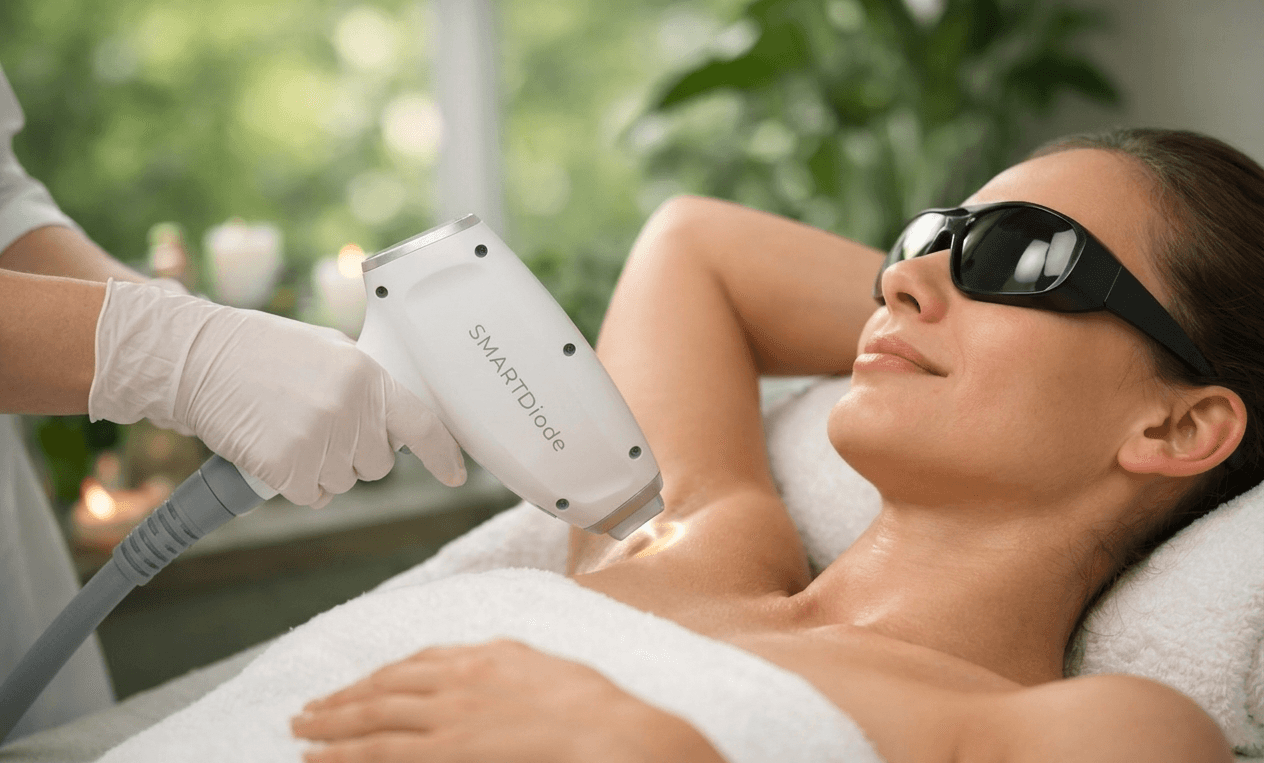
Smooth skin sounds wonderfully simple until you are back to shaving in a rush, dealing with ingrown hairs, or timing waxing appointments around holidays, weddings, and everyday life. It is no surprise that one of the first questions people ask is: is laser hair removal permanent? The honest answer is slightly more nuanced than a yes or no – but for many clients, it is one of the most effective long-term ways to reduce unwanted hair and make maintenance feel far easier.
For anyone investing in professional beauty treatments, clarity matters. You want visible results, realistic expectations, and the confidence that your time and money are going into something worthwhile. That is exactly where understanding laser hair removal properly makes all the difference.
“Laser hair removal is best described as permanent hair reduction rather than guaranteed permanent hair removal.”
Is laser hair removal permanent or just long-lasting?
Laser hair removal is best described as permanent hair reduction rather than guaranteed permanent hair removal. That distinction matters.
The treatment works by targeting pigment in the hair follicle with light energy. The heat damages the follicle enough to significantly reduce its ability to produce new hair. Some follicles stop producing hair altogether, while others may recover partially over time and create finer, lighter, slower-growing hair.
So, is laser hair removal permanent? In many areas, a good percentage of treated hairs can be reduced for the long term. However, hormones, genetics, age, and even changes in health can encourage some regrowth months or years later. For most clients, that regrowth is far less dense and far less noticeable than before treatment.
This is why experienced practitioners tend to avoid overpromising. The goal is not a dramatic claim. It is beautifully smooth skin, less frequent maintenance, and a lasting reduction that makes daily life easier.
How laser hair removal actually works
Hair grows in cycles, and laser is only effective when the hair is in the active growth phase. At any one time, not every hair is in that phase, which is why a single session will not treat every follicle successfully.
A course of treatments is needed so the laser can catch different hairs at the right point in the cycle. Sessions are usually spaced several weeks apart depending on the area being treated. Facial hair often needs more frequent appointments than body areas because the cycle is shorter.
The laser is drawn to melanin, which is the pigment in the hair. Dark, coarse hair tends to respond best because it gives the laser a clearer target. That does not mean other hair types cannot be treated, but results can vary and suitability should always be assessed professionally.
What kind of results can you expect?
Most clients notice that hair starts to grow back more slowly after the first few sessions. Over time, the regrowth often becomes patchier, softer, and finer. Areas that once needed constant shaving may need very little attention at all.
After a full course, many people enjoy long periods of smoothness with only occasional top-up appointments. For some, certain areas remain almost hair-free for years. For others, especially where hormones are involved, maintenance is needed to keep results looking their best.
That is why the most realistic expectation is this: laser hair removal can deliver a long-term reduction that feels transformative, but it is not usually a once-in-a-lifetime treatment with a blanket guarantee of zero regrowth forever.
Why some hair comes back
If you have heard mixed stories from friends, this is often the reason. Laser can be incredibly effective, but hair biology is not identical from one person to the next.
Hormonal shifts are one of the biggest influences. Pregnancy, menopause, polycystic ovary syndrome, thyroid changes, and certain medications can all affect hair growth. Areas such as the face, chin, neck, and jawline can be especially hormone-sensitive, which means they may need more maintenance than underarms or lower legs.
Hair colour and texture also matter. Very light blonde, grey, white, or red hair may not respond well because there is less pigment for the laser to target. If hair is very fine, treatment can also be less predictable.
Then there is consistency. Skipping appointments, stopping halfway through a course, or waxing between sessions can affect results. Laser works best when the treatment plan is followed carefully and the follicles are targeted at the right stages.
Is laser hair removal permanent on every body area?
Not always. Some areas respond more dramatically than others.
Underarms, bikini, and lower legs are often excellent candidates because the hair is usually darker and coarser. These areas can show strong, satisfying reduction after a course of treatment. Facial areas can also improve beautifully, but because they are often linked to hormones, they may be more likely to need occasional top-ups.
Arms, back, chest, and stomach can respond very well too, though the exact result depends on hair density, skin tone, and hormonal factors. An expert consultation is essential because a personalised plan is far more helpful than a one-size-fits-all promise.
What affects whether laser hair removal feels permanent?
Several factors shape the outcome. The type of laser being used is important, as different technologies suit different skin tones and hair types. The skill of the practitioner matters just as much. Proper settings, careful assessment, and a treatment plan tailored to you can make a noticeable difference to both safety and results.
Your own biology plays a part too. Thick dark hair on lighter skin often responds quickly, but modern systems can treat a broader range of skin tones safely when used correctly. The key is choosing a professional setting where treatment is approached with care, precision, and realistic advice.
Aftercare matters as well. Protecting the skin, avoiding irritation, and following the guidance given between sessions supports the best possible outcome. Luxury treatment should still be clinically sound, and that blend of comfort and expertise is what clients should expect.
How many sessions do most people need?
Most people need a course of around six to eight sessions, though some need more depending on the area and how their hair responds. Facial treatments may require additional sessions, and maintenance top-ups are common once or twice a year.
That can sound like a lot at first, but when compared with years of shaving, waxing, plucking, and managing irritation, the appeal becomes very clear. It is less about a quick fix and more about investing in a longer-lasting result.
For busy professionals, mothers, brides-to-be, and anyone who likes to feel polished without constant upkeep, that shift can be genuinely freeing. Less time spent thinking about hair removal often means more confidence day to day.
Is it worth it if it is not 100 per cent permanent?
For most clients, yes. And this is where the conversation becomes less technical and more personal.
If your skin reacts badly to shaving, if waxing feels never-ending, or if unwanted hair affects how comfortable you feel in your own skin, laser hair removal can be a very worthwhile treatment. Even when some regrowth happens, it is usually much lighter and more manageable. That alone can change your routine dramatically.
Worth is not only about whether every single hair disappears forever. It is also about smoother skin, fewer ingrown hairs, less stubble, less irritation, and the quiet luxury of feeling ready without last-minute effort.
At a salon such as The Beauty Box Pangbourne, the value also comes from having treatment delivered in an environment that feels calm, considered, and professional. That matters. Advanced treatments should never feel rushed or impersonal.
Questions to ask before starting treatment
A good consultation should leave you feeling informed, not pressured. Ask what technology is used, whether your hair and skin type are suitable, how many sessions are likely to be needed, and what sort of maintenance to expect.
It is also wise to ask about pre-treatment preparation and aftercare. You will usually be advised to shave rather than wax before appointments, and to avoid excessive sun exposure around treatment times. Clear guidance is part of quality care.
Most importantly, ask for honesty. A reputable practitioner will explain where you are likely to see excellent reduction and where expectations should be a little more measured.
The answer most people really want
When people ask, is laser hair removal permanent, they are usually asking something slightly different: will this make my life easier for the long term?
For many, the answer is yes. Not because the treatment offers a magical promise, but because it delivers meaningful, lasting reduction that can make skin smoother, routines simpler, and confidence more effortless. With the right technology, the right practitioner, and the right expectations, laser hair removal can feel less like a beauty extra and more like a practical luxury you will be glad you chose.
If you are considering it, look for expertise, comfort, and a treatment plan tailored to you. The best results rarely come from bold claims. They come from thoughtful care and beautifully consistent treatment.