Uneven skin rarely has one simple cause. It may show up as post-breakout marks that linger long after a spot has healed, a slightly rough texture that catches the light, enlarged-looking pores, fine lines, or a complexion that feels less radiant than it once did. For clients seeking microneedling results for uneven skin, the appeal lies in its ability to support the skin’s own renewal process rather than simply masking the concern.
At The Beauty Box Pangbourne, microneedling is approached as a considered, results-led treatment, with comfort, hygiene and individual skin needs at the centre of every appointment. It is not an overnight fix, and it is not right for every type of unevenness. But with a carefully planned course and excellent aftercare, it can be a beautiful option for smoother-looking, fresher and more refined skin.
“It is not an overnight fix, and it is not right for every type of unevenness.”
What microneedling can do for uneven skin
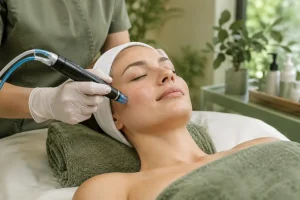
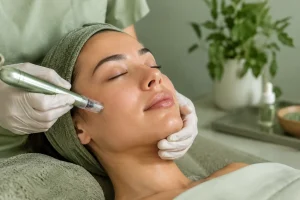
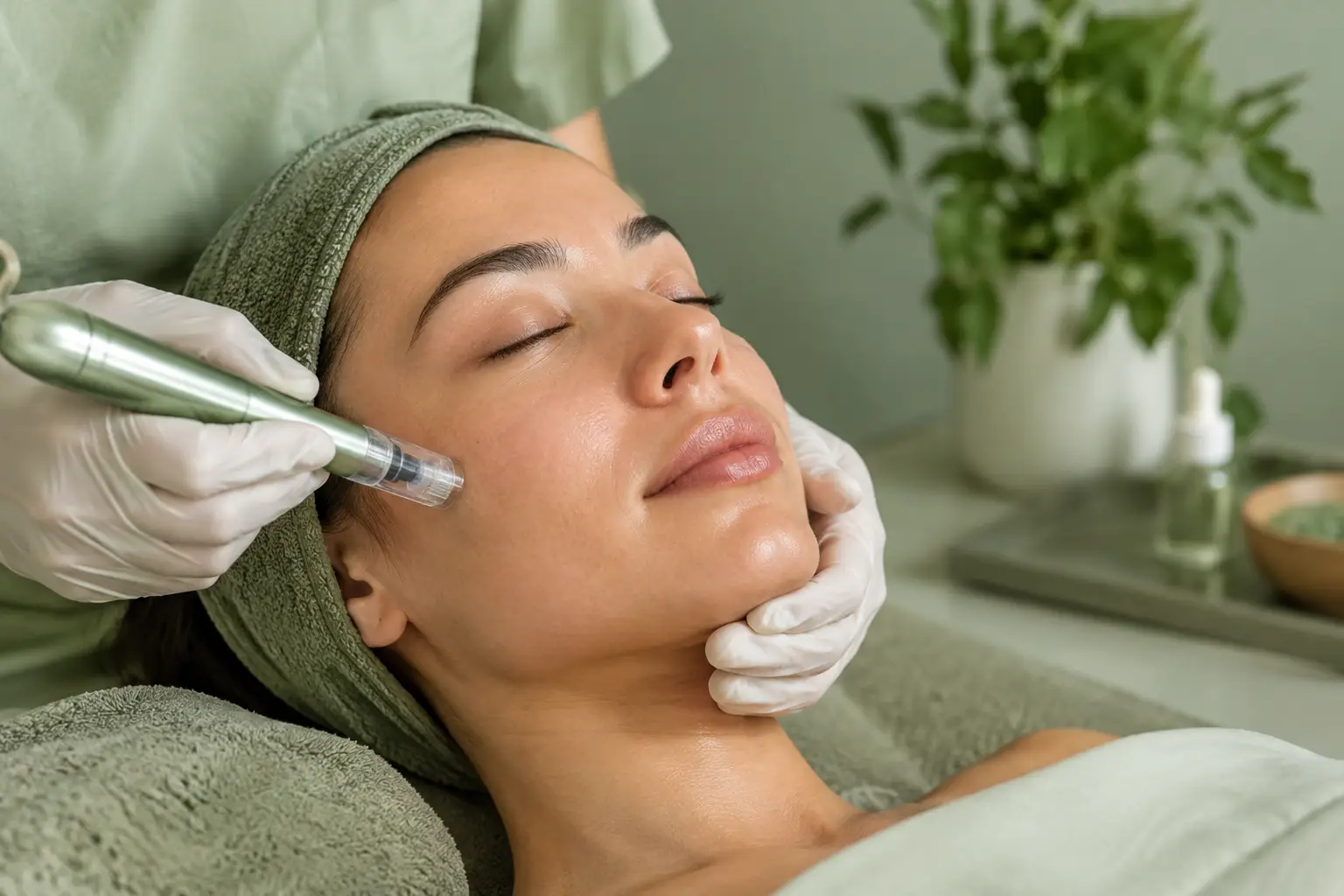
Microneedling uses a professional device with very fine, sterile needles to create controlled micro-channels in the skin. This process prompts a natural wound-healing response, encouraging the production of collagen and elastin, the proteins that help keep skin looking firm, smooth and supported.
As the skin rebuilds, areas of uneven texture can gradually appear softer and more balanced. It is particularly well suited to concerns linked to texture and superficial scarring, such as pitted acne scarring, enlarged pores, fine lines and a dull, uneven surface. It can also help the complexion look more luminous because fresh skin cells are encouraged to rise to the surface over time.
The key word is gradually. Microneedling works with the deeper structures of the skin, where meaningful change takes time. A healthy glow can be noticeable relatively soon after treatment, but collagen remodelling continues for weeks.
Texture, pores and post-breakout marks
When people refer to uneven skin, they often mean texture rather than tone. Makeup may settle around the cheeks or chin, pores can seem more noticeable around the nose, or old blemish marks can create tiny changes in the skin’s surface. Microneedling can improve the overall quality of this texture by supporting the skin’s repair response.
Post-breakout marks need a more tailored view. Red or brown marks may fade with time, but they do not always respond in the same way as indented acne scars. Microneedling may improve the texture of pitted scars, while pigmentation-led unevenness may require a different approach, or an approach combined with carefully chosen skincare. A consultation matters because treating the right concern is the foundation of a satisfying result.
Microneedling results for uneven skin: a realistic timeline
Most clients leave their appointment with skin that looks pink or red, similar to a mild sunburn. This is expected and usually settles over the following day or two, although sensitivity can last a little longer depending on skin type, treatment depth and individual recovery.
In the first week, the skin can feel tighter, drier or lightly textured as it recovers. It may then look noticeably brighter and feel smoother. This early radiance is lovely, especially before an event, but it should not be confused with the full result.
Over the next four to six weeks, collagen activity develops beneath the surface. This is when gradual improvements in texture, firmness and the appearance of pores or shallow scarring may begin to become clearer. For more established textural concerns, a course of treatments is commonly recommended, usually spaced several weeks apart to allow the skin time to respond.
How many treatments you need depends on the concern. A client looking to refresh mild uneven texture may be delighted with a short course, while someone treating deeper acne scarring may need more sessions and should expect subtler, progressive change. Honest expectations are part of luxury care: the goal is healthier-looking skin and visible refinement, not a promise of perfectly poreless skin.
What affects your final result
Your treatment plan is only one part of the picture. Skin condition, age, hormones, lifestyle and home care all influence how the complexion responds. Active breakouts, for example, can make treatment unsuitable until the skin has settled, while a history of pigmentation may call for a particularly cautious plan to reduce the risk of marks becoming more noticeable.
Professional technique also matters. Needle depth should never be chosen from a one-size-fits-all menu. Different areas of the face have different needs, and treatment should be adjusted for the concern being addressed, your comfort and the resilience of your skin. Proper cleansing, sterile equipment and skilled assessment protect both the experience and the outcome.
Sun exposure is another major factor. UV can aggravate pigmentation and compromise the clarity you are trying to achieve. Daily broad-spectrum SPF is essential before and after microneedling, particularly when treating an uneven complexion. It protects the investment you are making in your skin as much as it protects the result.
Aftercare that helps skin recover beautifully
The hours after treatment are a time for restraint. Your skin has been stimulated and needs gentle, uncomplicated support. For the first 24 hours, avoid make-up where possible, strenuous exercise, swimming pools, saunas, steam rooms and excessive heat. These can increase irritation or introduce unnecessary bacteria while the skin is settling.
Use only the products recommended by your therapist, keeping the routine hydrating and calm. Avoid exfoliating acids, retinoids, scrubs and fragranced products until you have been advised that it is safe to reintroduce them. Do not pick at dryness or flaking. Let the skin recover at its own pace.
For the days that follow, cleanse gently, moisturise as needed and apply SPF every morning. Hydration, adequate rest and sun protection may sound simple, but they make a meaningful difference to how polished and comfortable your complexion looks during recovery.
When microneedling may not be the best choice
Microneedling is not a treatment to book simply because it is popular. It may need to be postponed if you have active acne, a cold sore outbreak, broken or infected skin, significant inflammation, recent sunburn or certain medical conditions. It may also be unsuitable during pregnancy or while using particular prescription medications. Your practitioner should discuss these points during consultation and may recommend an alternative treatment if it better suits your current skin.
Likewise, not every uneven complexion is primarily a texture issue. Persistent redness, melasma, rosacea or deeper pigmentation can need a different clinical strategy. A trusted professional will tell you when microneedling is not the first step, rather than forcing a treatment into a plan where it does not belong.
Choosing a plan that feels personal
The most elegant results are rarely about changing everything at once. They come from understanding what makes you feel less confident in your skin, whether that is old acne scarring, a lack of glow, make-up sitting unevenly, or simply the sense that your complexion needs a reset.
A thoughtful consultation creates space to assess your skin, discuss your treatment history and decide whether microneedling is the right fit. From there, a personalised course can be built around your diary, your skin’s tolerance and the level of improvement you hope to see. Treat your course as a commitment to gradual refinement, and your skin has the time and care it needs to reveal its healthiest, most confident-looking self.