A peel should never feel like a leap of faith. For many clients, a HydraFacial peel comparison begins with one very sensible question: will it give me the fresh, luminous skin I want without the redness, flaking or downtime I cannot accommodate? The answer depends on your skin, your diary and the result you are hoping to see.
HydraFacial is loved for its polished balance of visible results and comforting treatment experience. A traditional chemical peel can be an excellent choice too, particularly when deeper resurfacing is the goal. They are not interchangeable treatments, however, and understanding the difference helps you invest in the option that feels right for you.
“A peel should never feel like a leap of faith.”
HydraFacial Peel Comparison: What Is the Difference?
Despite the name, the peel stage of a HydraFacial is not the same as having a standalone chemical peel. A HydraFacial is a multi-step skin treatment that cleanses, exfoliates, applies a gentle acid peel, clears congestion through vortex extraction, then infuses the skin with hydrating, antioxidant-rich serums. The peel is one part of a carefully choreographed facial rather than the entire treatment.
The acid solution used during a HydraFacial is designed to loosen dull surface cells and congestion gently. It helps prepare the skin for extraction without the abrasive feeling associated with traditional manual exfoliation. For many people, there is little to no visible peeling afterwards. Instead, skin often looks clearer, smoother and more hydrated straight away.
A traditional chemical peel works differently. It applies a chosen chemical solution to encourage exfoliation and skin renewal. Depending on the formula and strength, it may work at a more superficial level or penetrate more deeply. This can be particularly useful for concerns such as persistent pigmentation, uneven texture, post-blemish marks or more established signs of ageing, but it can also mean visible shedding and a period of recovery.
Neither is automatically better. HydraFacial is often the more comfortable, low-downtime route to an immediate glow, while a chemical peel may be chosen as part of a more targeted course of treatment. The best recommendation should always reflect your skin condition at that appointment, not simply the treatment currently trending on social media.
The experience in the treatment room
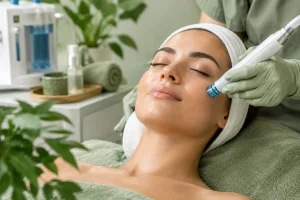
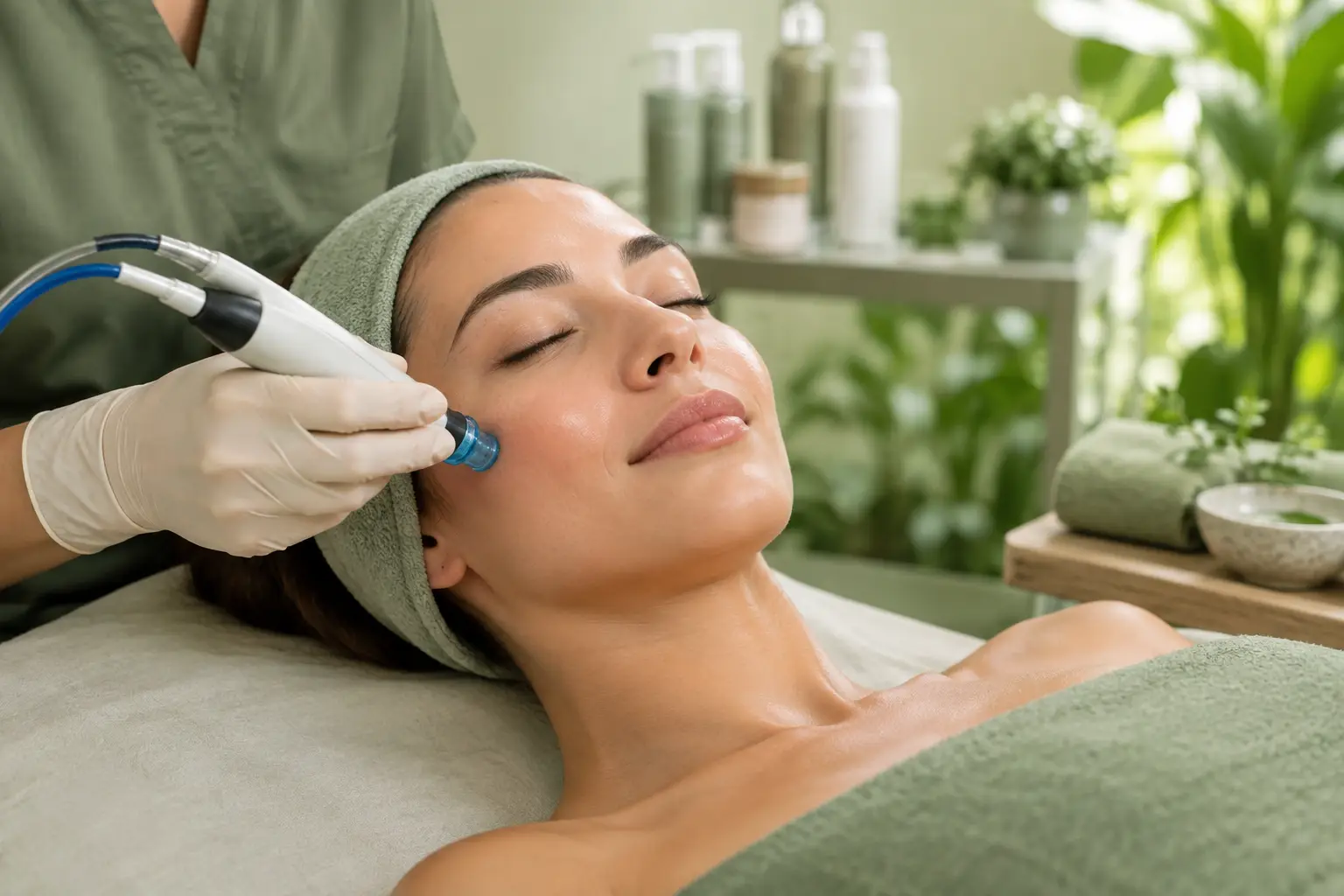
A HydraFacial feels refreshingly active yet indulgent. The handpiece moves across the face to cleanse and exfoliate while lifting away impurities, so there is no harsh scrubbing or picking. Many clients describe the sensation as a cool, gentle vacuum, followed by layers of hydrating serums. It is a beautiful option before a celebration, holiday or important event when you want to leave looking rested and polished.
A chemical peel appointment is usually simpler and more focused. After the skin is prepared, the peel solution is applied and left on for a prescribed time before it is neutralised, if the formulation requires it. You may feel tingling, warmth or a mild prickling sensation. With stronger peels, the treatment itself can feel more intense and the aftercare calls for greater patience.
If relaxation is part of what you need from your appointment, the HydraFacial experience has a clear advantage. It combines results-driven technology with the sense of being properly looked after – an ideal fit when luxury and skin health matter equally.
Results, Recovery and Real-Life Timing
The most noticeable HydraFacial results are brightness, softness, hydration and a clearer-looking complexion. Makeup often sits more smoothly afterwards, which is one reason it has become a favourite before weddings, parties and professional events. Congested skin can look fresher after extraction, while dry or lacklustre skin benefits from the replenishing final stage.
These results are immediate, but they are best maintained with consistent skincare and regular appointments. Think of HydraFacial as expert, high-performance maintenance for the complexion. A course may also be advised where concerns such as congestion, dehydration or uneven tone need ongoing support.
Chemical peel results develop differently. The skin may initially look bright, then feel tight or dry before flaking begins. Superficial peels may cause only light dryness, whereas stronger options can involve several days of visible peeling. Once recovery is complete, the longer-term improvement in tone, texture or pigmentation can be more pronounced, especially when treatment is planned as a course.
This is where lifestyle matters. If you have an event on Friday, are facing a busy week at work, or simply do not want to navigate a peeling phase, HydraFacial is usually the more convenient choice. If you can allow recovery time and have a specific concern requiring greater resurfacing, a clinician may suggest a peel programme instead.
Which treatment suits your skin concern?
For dehydration, dullness, surface congestion and skin that needs a healthy-looking lift, HydraFacial is often an excellent starting point. It can be tailored with boosters and treatment steps selected around your goals, whether that is a more even glow, added hydration or support for blemish-prone skin.
For blackheads and congested areas, it is worth considering the extraction element as well as exfoliation. A standalone peel may help loosen dead skin cells, but it does not necessarily provide the same thorough clearing of pore congestion as a HydraFacial.
For pigmentation, acne scarring, sun damage or pronounced textural change, the answer is more individual. A HydraFacial can support brighter, healthier-looking skin and may complement a wider plan, but it is not intended to replace a carefully selected clinical peel where deeper renewal is appropriate. Skin type, sensitivity, medication, previous treatments and the cause of pigmentation all affect what is safe and worthwhile.
For sensitive or reactive skin, gentler does not mean one-size-fits-all. A HydraFacial can often be adjusted for comfort, but active rosacea, eczema, a damaged skin barrier or a current flare-up may mean postponing treatment or taking a different approach. A responsible consultation is never an optional extra when the skin feels unsettled.
Safety, Aftercare and the Value of a Tailored Plan
Both treatments should begin with professional assessment. This is particularly true if you use retinoids, have recently had waxing, laser or other advanced skin treatments, are pregnant or breastfeeding, or have a history of cold sores. These details can influence treatment timing and suitability.
After a HydraFacial, your skin is likely to feel beautifully clean and hydrated, but it is still wise to treat it kindly. Avoid strong exfoliants, retinol and excessive heat for the period recommended by your therapist. Daily SPF is essential, especially after any form of exfoliation, as newly refreshed skin deserves careful protection.
After a chemical peel, aftercare is more restrictive. You may need to pause active skincare for longer, avoid heat, exercise and direct sun exposure, and resist the temptation to lift peeling skin. The visible recovery is temporary, but following professional guidance carefully protects both your comfort and your result.
There is also a difference in how the two treatments fit into a wider routine. HydraFacial works wonderfully as a regular reset between more advanced appointments or whenever your complexion needs renewed radiance. Chemical peels are more commonly mapped into a clinical treatment course, with time allowed for skin recovery and review between sessions.
At The Beauty Box Pangbourne, the focus is not on persuading every client towards the strongest option. It is on creating a treatment plan that respects your skin, your confidence and the life you actually lead. Some months call for a calming, hydrating HydraFacial; others may be the right time to explore more corrective options.
The most rewarding choice is the one that leaves you feeling comfortable in your skin, not concerned about hiding it. Book your treatment around your goals and your calendar, and allow an experienced therapist to guide the details – because radiant skin responds best to thoughtful, personal care.