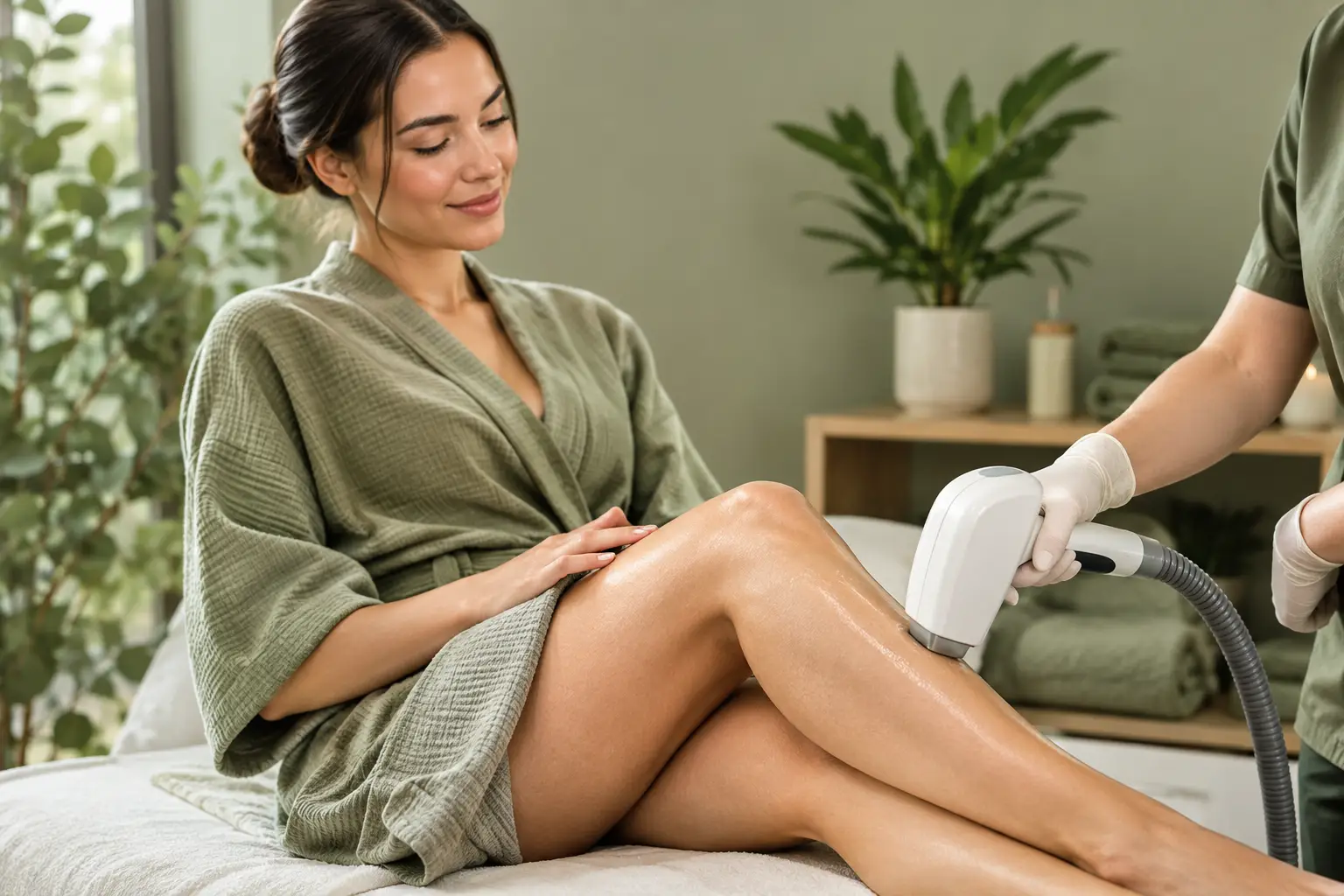
A smoother underarm, bikini line or set of legs can feel wonderfully freeing, but the best laser hair results are built over time, not delivered in a single appointment. Laser hair removal works with your natural hair-growth cycle, so patience and a carefully planned course are part of achieving skin that feels softer, calmer and easier to maintain.
For many clients, the most welcome change is not simply seeing less hair. It is spending less time shaving, experiencing fewer ingrown hairs and feeling more confident when getting dressed for a holiday, a special occasion or an ordinary busy morning. The outcome should feel personal: a treatment plan designed around your skin, hair and priorities.
“The outcome should feel personal: a treatment plan designed around your skin, hair and priorities.”
What laser hair results look like after each session
It is common to notice that hair appears to grow as normal in the first days after laser treatment. This does not mean the session has not worked. Treated hairs are often pushed out of the follicle over the following one to three weeks, which can look like regrowth before they shed naturally.
After an initial treatment, some areas may begin to feel patchier and slower to grow back. The hair that returns can seem finer or less dense, although this differs from person to person. Areas with darker, coarser hair often show an early visible response, while finer hair can be more gradual.
As sessions continue, the gaps between shaving or trimming usually become longer. Many clients find that the skin feels more comfortable too, particularly in areas prone to shaving rash, stubble or ingrown hairs. By the end of a recommended course, the aim is a substantial, lasting reduction in visible hair rather than an unrealistic promise that every follicle will disappear forever.
Why a course of treatments matters
Hair does not grow in one uniform cycle. At any given point, some follicles are actively producing hair while others are resting or transitioning. Laser energy is most effective when a hair is in the active growth phase, because there is a stronger connection between the hair pigment and its follicle.
This is why treatments are spaced apart. Each appointment gives the laser an opportunity to target a new group of active hairs as they enter the right stage of growth. Depending on the area being treated, appointments may be several weeks apart, with facial areas often requiring a different schedule to the body.
A course is usually recommended because this process cannot be rushed. Missing appointments or leaving very long gaps can affect the rhythm of your plan. Your therapist will advise on the number of sessions and timing that best suit the treatment area, your hair density and your individual response.
Results are reduction, not a one-size-fits-all guarantee
Laser hair removal is widely described as long-term hair reduction. That wording matters. It reflects the fact that biology, hormones and genetics still play a role. Some clients achieve striking reduction after a course and only need occasional maintenance, while others need top-up sessions more regularly.
Hormonal changes can encourage new growth, particularly on the face, chin, upper lip and areas affected by conditions such as polycystic ovary syndrome. Pregnancy, certain medication and changes in health can also alter hair growth. This does not make treatment ineffective, but it does mean expectations should be honest, tailored and reviewed throughout your course.
What affects your laser hair removal outcome?
Your results are influenced by the contrast between your hair and skin, the thickness and colour of the hair, the area being treated and the technology used. Laser treatment is traditionally most responsive to darker hair, as pigment absorbs the laser energy. Very light blonde, white, grey or red hair may not respond as effectively and should be assessed carefully during a consultation.
Your skin tone matters too. The correct equipment and settings are essential for treating skin safely and effectively. A professional consultation should include an assessment of your skin, hair, medical history and any relevant medication, as well as a patch test where appropriate. This is not merely a formality. It helps create a plan that protects your comfort while aiming for the strongest possible response.
Consistency at home has an effect as well. Shaving between sessions is generally permitted because it removes the hair above the skin without disturbing the follicle. Waxing, threading, epilating and plucking are usually avoided during a course, as they remove the very hair the laser needs to target.
Preparing for results you can feel confident in
Great treatment begins before you arrive. Your therapist will provide precise pre-treatment guidance, but it is generally wise to avoid tanning, sunbeds and self-tan before appointments. Tanned or recently sun-exposed skin can be more sensitive and may mean treatment needs to be postponed for safety.
Arrive with clean skin free from moisturiser, deodorant, perfume or make-up in the area being treated, unless your therapist has advised otherwise. Shave as instructed before your appointment. This allows the laser to focus on the follicle below the surface rather than singeing excess hair above it.
Be open during your consultation. Mention any changes to medication, skincare, health or sun exposure since your last visit. The most luxurious treatment experience is one where you feel listened to, never rushed, and where the plan can be adjusted when your skin needs a little more care.
Caring for your skin after laser treatment
Immediately after a session, mild warmth, redness or small bumps around the follicles can occur. These reactions are often temporary and can be a sign that the follicles have responded. Your therapist will explain what is normal for your skin and when to get in touch for further advice.
For the first day or two, treat the area gently. Keep it cool, avoid heat-based exercise, saunas, steam rooms and very hot baths, and choose loose clothing if the skin feels tender. Avoid perfumed products, exfoliation and active skincare ingredients on the treated area until it has settled.
Sun protection is especially important. Freshly treated skin deserves careful protection from UV exposure, both for comfort and to reduce the chance of pigmentation changes. A high-factor broad-spectrum SPF is a sensible everyday habit, particularly when treating exposed areas such as the face, arms or lower legs.
Do not be tempted to pluck hairs as they begin to shed. Let them work their way out naturally, or shave if needed and if you have been advised it is suitable. This simple patience protects the progress you are paying for.
Choosing a professional laser hair experience
Laser hair removal is a technical treatment, but it should still feel calm, considered and reassuring. At The Beauty Box Pangbourne, the experience begins with understanding what you would love to change, whether that is a bikini line that never feels comfortable after shaving or a regular routine you would simply like to reclaim time from.
Look for a provider who carries out a thorough consultation, explains the likely treatment course clearly and is honest about what your hair type and skin tone may achieve. Hygiene, trained practitioners and appropriate aftercare matter just as much as the treatment itself. A premium result is not only about smoother skin. It is about feeling safe, respected and beautifully cared for at every appointment.
When will you see the fullest laser hair results?
Most people see changes progressively across their course rather than waking up to a dramatic transformation after the first session. Early signs may include slower return, patchier growth and easier shaving. More meaningful reduction tends to become apparent after several treatments, once more follicles have been treated during their active phase.
Photographs can be useful if you want to track change objectively, especially when hair grows slowly between sessions. Take them in similar lighting and at similar intervals. Your therapist can also review progress with you and recommend whether your plan should continue as scheduled or whether a maintenance approach is appropriate once the initial course is complete.
The most satisfying results are often the quiet ones: smoother skin without the daily rush, fewer irritated follicles and the ease of feeling ready whenever you choose. Give your course the time it deserves, follow your personalised guidance, and let each appointment bring you closer to a routine that feels lighter, more polished and entirely your own.