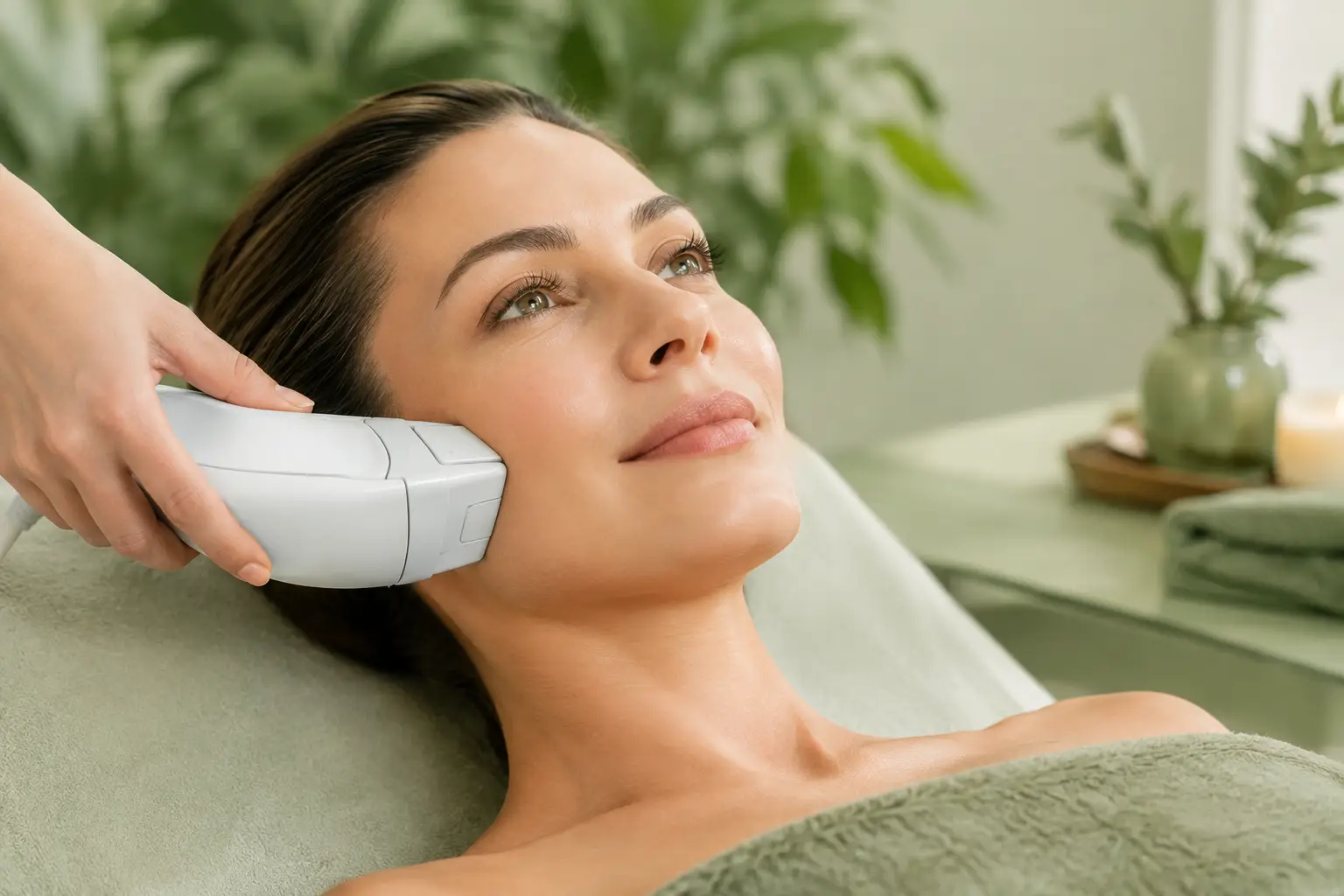
A beautifully refreshed complexion does not always require injectables or surgery. For clients noticing a softer jawline, less definition through the cheeks or a brow area that feels a little less lifted than it once did, this HIFU facial lifting guide explains a treatment designed to support the skin’s own collagen response – with no needles and very little interruption to daily life.
HIFU is a results-led treatment, but it is also a considered one. The best experience begins with an honest consultation, clear expectations and a treatment plan that respects your facial structure, skin quality and comfort. It is not about changing your face. It is about helping it look rested, firmer and more confidently you.
“The best experience begins with an honest consultation, clear expectations and a treatment plan that respects your facial structure, skin quality and comfort.”
What HIFU facial lifting treatment does
HIFU stands for High-Intensity Focused Ultrasound. The treatment uses carefully targeted ultrasound energy to reach deeper layers of the skin, including areas that are not addressed by many surface-level facials. This controlled energy creates precise points of heat beneath the skin, prompting the body’s natural repair process and supporting new collagen production over time.
Collagen is one of the proteins that gives skin its supportive, springy quality. As production naturally slows with age, the skin can begin to look less taut, particularly around the lower face, jawline, neck and eye area. HIFU is intended to encourage gradual tightening and lifting in these concerns without surgical incisions or an extended recovery period.
The treatment is often chosen for the brow area, cheeks, jawline, under-chin area and neck. It can be a lovely option for someone who wants a more defined appearance while still looking entirely natural. Results are subtle rather than instant or dramatic, which is precisely why many clients appreciate it.
Is HIFU right for your skin goals?
HIFU tends to suit clients with mild to moderate skin laxity who would like to improve definition and firmness without taking a surgical route. If you can see the beginnings of jowl formation, feel that your neck looks less refined in photographs, or miss the crispness of your jawline, it may be worth discussing at a consultation.
It is not, however, a replacement for a facelift. Where there is significant loose skin or a larger amount of volume loss, a practitioner may suggest a different approach, a combination plan or more realistic expectations for what HIFU can achieve. The condition of your skin, the amount of subcutaneous fat, your age, lifestyle and previous aesthetic treatments can all influence the result.
HIFU is also not always appropriate during pregnancy or breastfeeding, or for people with certain medical conditions, implanted electronic devices, active skin infections, open wounds or some metal implants in the treatment area. A thorough consultation should cover your health history, current medication and any previous procedures. This is essential for both safety and a result that feels worthwhile.
Your HIFU facial lifting guide to the appointment
A premium HIFU appointment should never feel rushed. Your practitioner will begin by discussing what you would like to improve, examining the relevant areas and explaining whether the treatment is suitable. They may take photographs for your records, which can be helpful when assessing gradual changes over the following months.
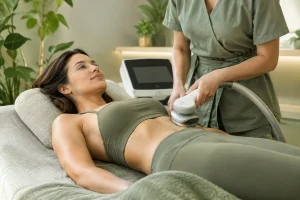
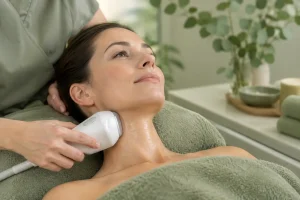
Your skin is cleansed and a conductive gel is applied. The HIFU handpiece is then moved methodically across the agreed treatment zones. As the energy is delivered, you may feel a warm sensation, tiny pulses or a brief prickling feeling beneath the skin. Sensitivity varies from person to person and can be more noticeable along the jawline or close to bony areas.
Comfort should remain part of the conversation throughout. Let your practitioner know if a particular area feels too intense. They can work with you to make the experience as comfortable as possible while maintaining an effective, carefully tailored treatment.
Depending on the areas being treated, an appointment may take around 30 to 90 minutes. A focused brow or jawline treatment is naturally quicker than a full face and neck session.
When will you see HIFU results?
Some clients notice a slight initial tightening after treatment, but HIFU is best judged patiently. The more meaningful changes develop as collagen remodelling takes place, usually over the following eight to 12 weeks. For some, improvements continue to become more apparent for up to six months.
The result is often described as fresher, firmer-looking skin and a more refined contour rather than an obvious transformation. This gradual progression can be particularly appealing if you prefer friends to notice that you look well, without being able to pinpoint why.
How long results last varies. Many clients enjoy the benefits for around 12 to 18 months, although natural ageing continues and individual collagen response differs. Maintaining a thoughtful skincare routine, daily SPF and healthy lifestyle habits can support the overall quality of your skin. Your practitioner can advise whether a single treatment is appropriate or whether a future maintenance session may be beneficial.
Recovery, aftercare and what to expect
One of HIFU’s main attractions is its minimal downtime. Most clients return to work, school runs or social plans straight afterwards. You may have mild redness, slight swelling, tenderness or a tingling sensation, especially in the first few hours or days. These effects are usually temporary.
Treat your skin kindly after your appointment. Keep your routine gentle for the rest of the day, use broad-spectrum SPF and avoid excessive heat from saunas, steam rooms or very hot baths for a short period if advised. It is also sensible to postpone intense exercise and alcohol until the following day, particularly if your skin feels warm or flushed.
Avoid deep facial massage or strong active products on the treated area unless your practitioner has confirmed they are suitable. If anything feels unusual, prolonged or concerning, contact the clinic that carried out your treatment promptly rather than relying on general advice online.
Choosing a practitioner you can trust
A device alone does not create a beautiful outcome. HIFU depends on correct assessment, thoughtful treatment mapping, appropriate settings and a practitioner who understands when not to treat. Before committing, ask how your suitability will be assessed, which areas are recommended for your goals, what sensations and aftercare to expect, and how your progress will be reviewed.
It is also reasonable to ask about training, hygiene standards and the type of equipment used. A trusted salon or clinic should welcome these questions and make you feel listened to, not pressured. At The Beauty Box Pangbourne, the focus is always on personalised care: creating a calm, polished experience while keeping treatment decisions rooted in expertise and your individual goals.
Preparing for your treatment
Arrive with clean skin where possible and share any changes to your health, medication or skincare routine before your appointment. If you have recently had injectables, laser treatment, chemical peels, microneedling or dental work, mention this when booking so that appropriate timing can be discussed.
Most importantly, bring a clear sense of what you would love to improve, but leave room for professional guidance. Sometimes the most flattering plan is not the most extensive one. A carefully placed HIFU treatment can complement your features beautifully, giving you the quiet confidence that comes from skin that looks cared for, supported and naturally radiant.