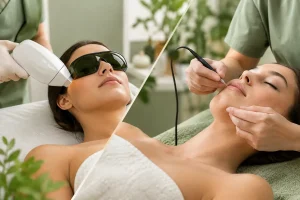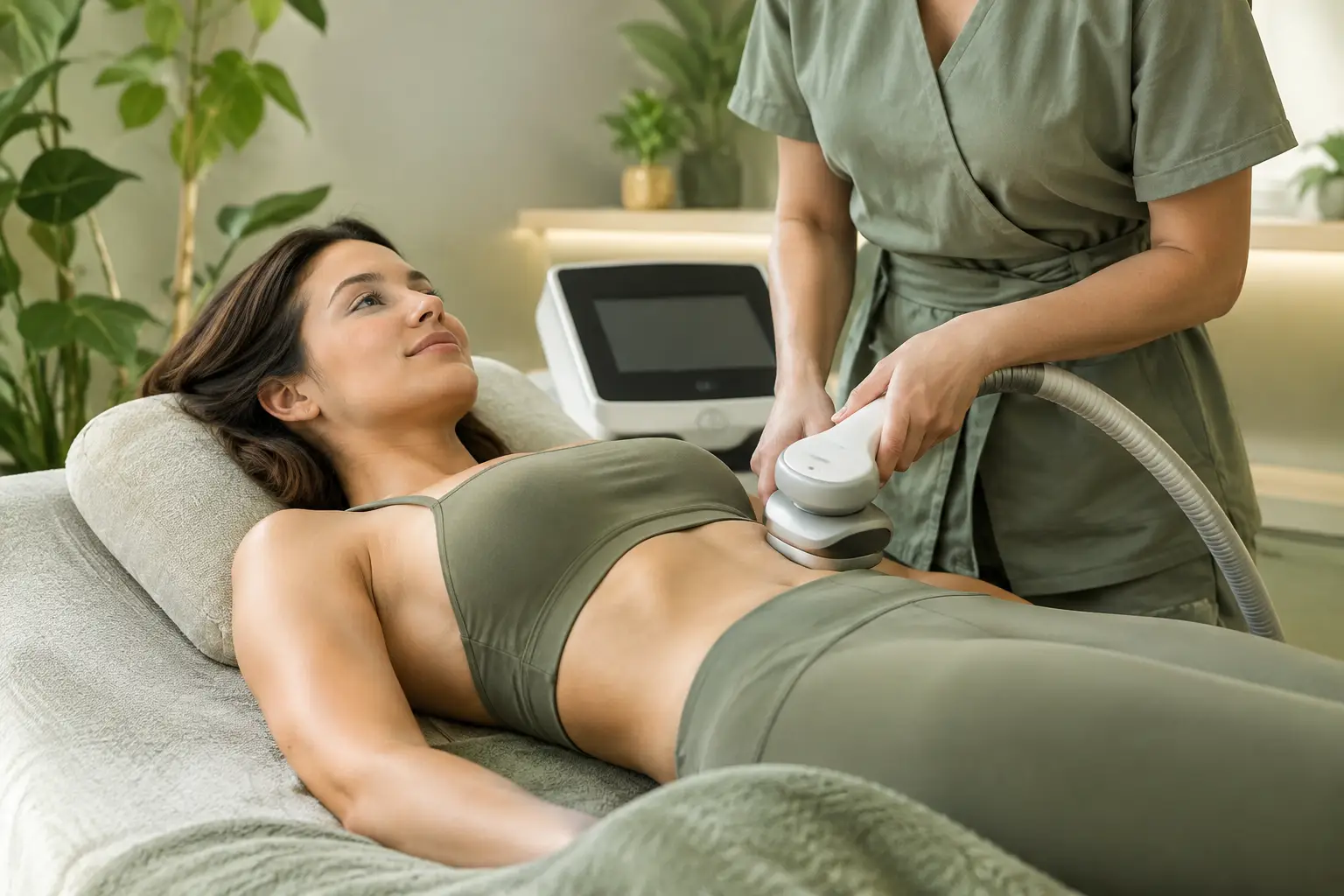
A fitted dress, a holiday wardrobe, or simply the wish to feel more at home in your own skin can bring certain areas into sharper focus. Non-invasive body contouring offers a considered way to address stubborn pockets of fullness or a loss of firmness, without the incisions, anaesthetic and extended recovery associated with surgery.
For many clients, the appeal is not about changing who they are. It is about refining what is already there: supporting smoother-looking contours, firmer-feeling skin and a little more confidence in the clothes they love. The key is choosing the right treatment for your body, goals and lifestyle rather than expecting one approach to suit everyone.
What is non-invasive body contouring?
Non-invasive body contouring is a category of advanced aesthetic treatments designed to improve the appearance of targeted areas without surgery. Depending on the technology used, treatment may use controlled heat, ultrasound energy or other methods to support collagen production, improve skin laxity or influence localised fat cells.
At The Beauty Box Pangbourne, consultations are at the heart of this process. A treatment should never be selected solely because it is popular or because a friend has had it. Your practitioner will consider the area you would like to treat, the quality of your skin, your medical history, your expectations and whether an advanced treatment is appropriate for you.
This is a body-confidence treatment, not a substitute for weight management. It is best viewed as a refinement for people who are close to a stable, healthy weight but feel frustrated by an area that does not respond as they would like to exercise and balanced habits alone.
The difference between fat reduction and skin tightening
The phrase body contouring can cover different concerns, which is why it helps to be specific from the beginning. Some clients are primarily concerned with a small, resistant area of fullness. Others have noticed that the skin on the abdomen, thighs, upper arms or around the knees feels less firm than it once did. These concerns may overlap, but they do not always need the same treatment plan.
When firmness is the main concern
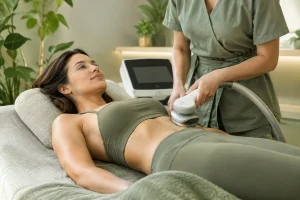
Radio frequency treatments use carefully controlled heat within the skin and underlying tissue. This can encourage the body’s natural collagen response, helping skin look and feel firmer over time. It can be particularly appealing where the goal is a smoother, more toned appearance rather than a dramatic change in size.
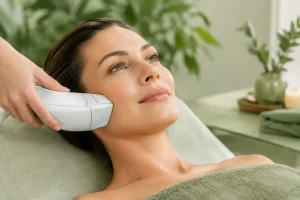
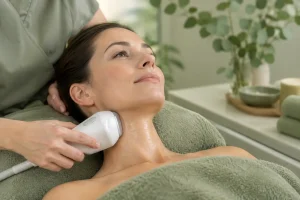
HIFU, or high-intensity focused ultrasound, is another advanced option used for lifting and tightening concerns. It delivers focused ultrasound energy at selected depths beneath the skin. As collagen renewal takes time, results usually develop gradually rather than appearing overnight. That slow progression is often part of the attraction: the outcome can look beautifully natural.
When an area feels resistant to lifestyle changes
Where localised fullness is the concern, a consultation is especially valuable. Your practitioner can assess whether the area is likely to respond to the technology available, or whether skin tightening, massage, a course of treatments or another approach may better match your goal. Honest advice matters here. A responsible practitioner will not promise to remove substantial weight or recreate a surgically altered silhouette.
What does a treatment feel like?
Comfort is individual, and the sensation depends on the technology and treatment area. Radio frequency is often described as a warming treatment, while HIFU can create brief sensations of heat, tingling or tiny pulses at deeper levels. Your practitioner should explain what to expect before beginning, check in throughout and adjust where appropriate.
One of the practical benefits of non-invasive treatments is that there is usually little to no social downtime. You may experience temporary warmth, redness, tenderness or mild swelling, depending on the treatment. Most clients return to their usual routine promptly, although your aftercare advice should always take priority. If you have an occasion coming up, it is wise to plan well ahead rather than booking your first session days before it.
Results take time – and that is a good thing
The most satisfying body-contouring results tend to be gradual. Treatments that work by stimulating collagen rely on your body’s own renewal process, so changes can continue to develop over several weeks or months. This calls for patience, but it also means improvements can settle in subtly rather than looking abrupt.
The number of sessions varies. Some concerns respond well to a single advanced treatment, while others benefit from a course and a review appointment. The right recommendation depends on your starting point, the technology selected and how your body responds. Photographs and measurements, taken professionally and consistently where appropriate, can be more useful than relying on day-to-day mirror checks.
Your practitioner should discuss realistic outcomes in clear language. You may see an improvement in skin texture, firmness or the outline of a treated area, but no non-surgical treatment can guarantee a particular dress size, replicate surgical results or stop the natural ageing process.
Who is a good candidate for body contouring?
A good candidate is usually someone with a focused concern, realistic expectations and a willingness to follow personalised guidance. You may be considering treatment after pregnancy, a period of weight change, or simply because your body has changed with time. There is nothing superficial about wanting to feel comfortable and confident in your skin.
However, non-invasive body contouring is not suitable for every person or every stage of life. Pregnancy and breastfeeding, certain medical conditions, implanted devices, active skin concerns and some medications may affect eligibility. The exact considerations differ by treatment, which is why a detailed consultation and medical screening are essential. Never minimise information about your health in the hope of proceeding sooner. Your safety and long-term wellbeing matter more than any appointment.
How to make the most of your investment
Think of treatment as one part of a wider self-care routine. Maintaining a stable weight, drinking enough water, moving regularly and caring for your skin can all support the way you feel about your results. These habits do not make a treatment work magically, but they help protect the progress you have made and give your body the best possible foundation.
It is also worth choosing your timing carefully. If you are preparing for a wedding, holiday or milestone birthday, begin the conversation months rather than weeks in advance. This gives you space for a thoughtful treatment schedule, gradual results and any review sessions recommended by your practitioner.
Choosing a practitioner you can trust
Advanced body treatments should feel reassuring from the moment you arrive. Look for a clean, professional setting, a thorough consultation, clear discussion of risks and aftercare, and a practitioner who is comfortable saying when a treatment is not the right fit. Luxury is not only about the surroundings. It is the confidence that comes from being listened to, cared for and treated with clinical attention to detail.
Be cautious of before-and-after images that appear heavily filtered, claims that sound too dramatic, or fixed packages offered before anyone has assessed your needs. Your body is individual. A premium experience is one where the recommendation is tailored, the treatment is carried out with care and your questions are welcomed.
The most beautiful results are rarely about a dramatic transformation. They are about the quiet confidence of feeling more comfortable in your favourite outfit, more polished in photographs and more like yourself. A considered consultation is the right first step towards deciding whether body contouring belongs in your own self-care plan.