A few stray hairs can be easy to manage. Regular shaving, waxing or threading becomes rather less appealing when hair growth is coarse, frequent, ingrown or simply one more task in an already busy week. When clients ask about laser treatment versus electrolysis, the honest answer is not that one is universally better. They work in very different ways, and the right choice depends on your hair colour, skin tone, treatment area, goals and patience for the process.
Both can offer freedom from constant hair removal, but they ask different things of your skin, schedule and budget. A thoughtful consultation is the best place to begin, particularly if you are hoping for polished, lasting results rather than a short-term fix.
“Choose the option that makes your routine feel lighter, not more demanding.”
Laser treatment versus electrolysis: the essential difference
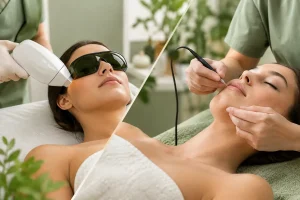
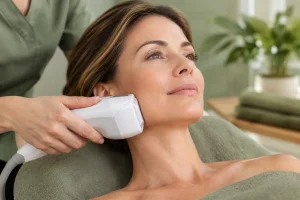
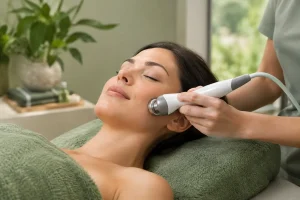
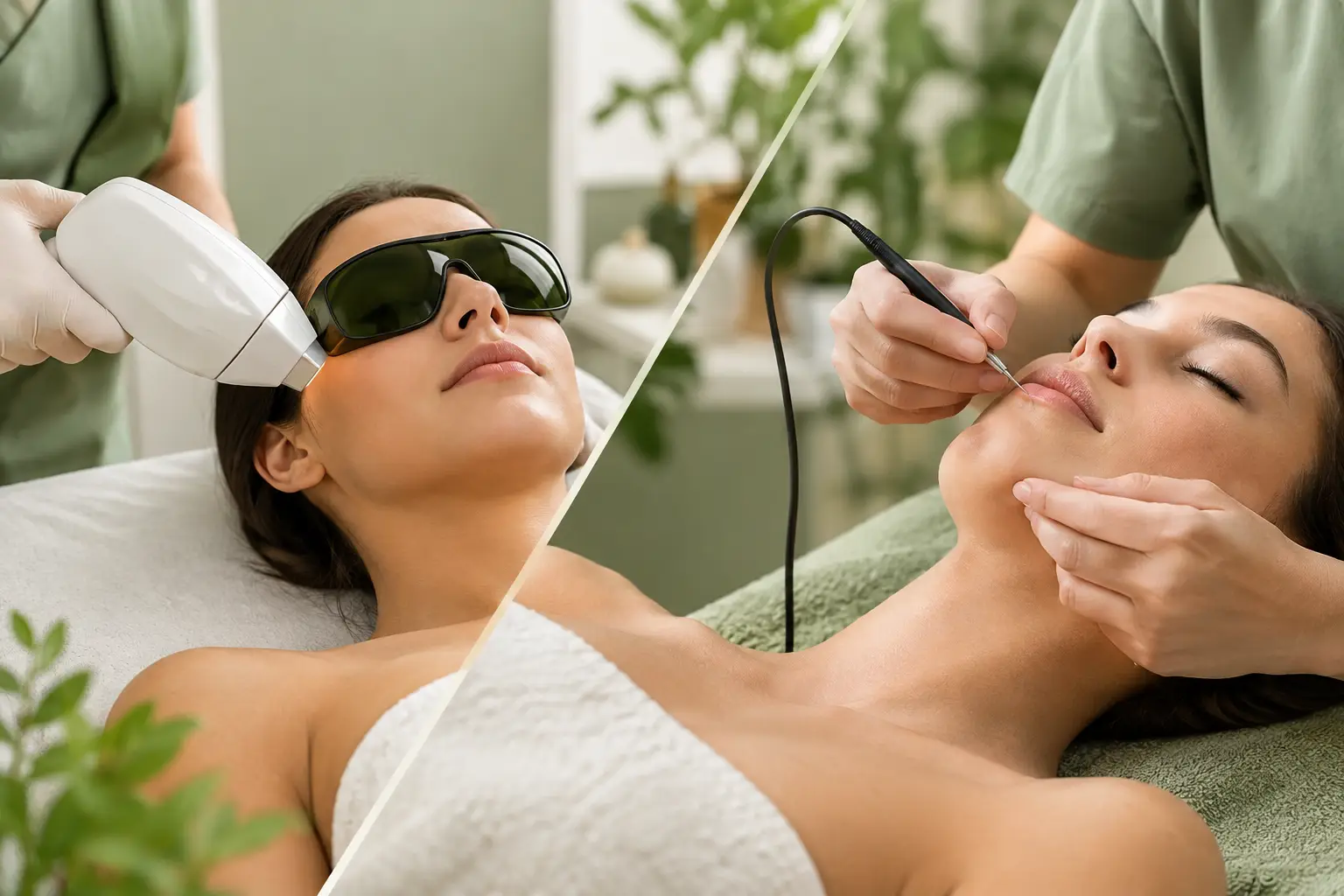
Laser hair removal uses concentrated light energy that is absorbed by pigment in the hair. The heat travels down the hair shaft to disrupt the follicle during its active growth stage. Because the laser can treat many follicles at once, it is particularly efficient for larger areas such as the legs, underarms, bikini line, back or chest.
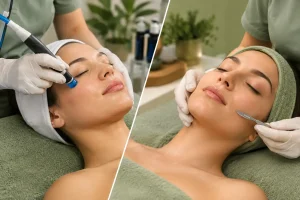
Electrolysis takes a more individual approach. A very fine probe is inserted into each hair follicle and a small electrical current is used to disable it. Every follicle is treated separately, which makes electrolysis a much slower process, but it does not rely on the hair containing pigment in the same way laser does.
The distinction matters when setting expectations. Laser hair removal is generally described as long-term hair reduction. Many people enjoy a significant, lasting reduction in growth, with finer and sparser regrowth after a course of sessions. Electrolysis is the method most often associated with permanent removal of individual treated follicles, provided the follicle is treated effectively and the full course is completed.
When laser hair removal may be the better choice
Laser is often the natural choice for someone who wants to make a noticeable difference to a broad area without spending hours in appointments. It tends to work best where there is a clear contrast between darker hair and lighter skin, as the laser can identify the pigment in the hair more easily. Modern technology and carefully selected settings can broaden suitability across a range of skin tones, but an experienced assessment remains essential for both safety and results.
A course commonly involves several appointments, spaced weeks apart. Hair grows in cycles, and laser is most effective when hair is in the active anagen phase, so one session alone cannot catch every follicle at the ideal moment. The exact number of sessions varies, but six to eight is a common starting point, followed by occasional maintenance if needed.
For busy women balancing work, family and social plans, the speed can be a real luxury. Underarms and bikini areas can often be treated relatively quickly, while larger areas are far more practical than they would be with a hair-by-hair technique. The sensation is often described as a warm flick or elastic-band snap, and most clients find it very manageable, particularly as hair becomes lighter and less dense over time.
Laser is not a reliable answer for white, grey, very pale blonde or red hair because these hairs contain too little of the pigment the laser needs to target. It may also be unsuitable at certain times, including on recently tanned skin or when taking particular medication. This is why a proper consultation, medical history and patch test should never feel like an optional extra.
What results can feel like
The appeal of laser is not only fewer hairs. It can mean smoother skin between appointments, less shaving rash, fewer ingrown hairs and less time spent planning around holiday outfits, gym sessions or a last-minute dinner. Results should look natural and feel liberating, not like another maintenance commitment.
Hormonal areas, especially the face, can be more unpredictable. Conditions such as PCOS, hormonal changes and some medications can encourage new growth even after a successful course. Laser can still be worthwhile, but it is best approached with realistic expectations and a personalised maintenance plan.
When electrolysis deserves serious consideration
Electrolysis is wonderfully precise. It can treat hairs of any colour, including the fine pale hairs that laser cannot see. That makes it a strong option for a small, stubborn area, such as a few hairs on the chin, upper lip, jawline, eyebrows or around a healed scar, where precise clearance matters more than speed.
It can also be an excellent finishing treatment after laser. A client may use laser to reduce dense dark hair across a larger area, then choose electrolysis for the lighter or more resistant hairs left behind. This combined approach is not always necessary, but it can be a sensible route for those seeking the most complete result.
The trade-off is time. Each follicle must be treated individually, and hairs need to be visible enough for the practitioner to work on them. For a small facial area, this may be perfectly manageable. For full legs or a large back, it can become a substantial commitment in both appointment time and cost.
Comfort varies from person to person and by treatment area. Electrolysis may feel like a brief heat or sting in each follicle. Topical numbing cream is sometimes discussed for sensitive areas, but should only be used with appropriate professional guidance. Temporary redness and small bumps can occur after either treatment, particularly on delicate facial skin.
Comparing cost, time and comfort honestly
It is tempting to compare a single appointment price, but that rarely gives a useful picture. Laser appointments may cost more than a short electrolysis session, yet laser treats a much larger area at once and may offer better value for dense, dark hair. Electrolysis sessions can begin modestly, but the cumulative cost rises with the number of hairs and total hours required.
Think instead about the overall commitment. Laser usually asks for a course of appointments spread over several months, plus maintenance where appropriate. Electrolysis asks for regular time and consistency, sometimes over a longer period, especially where hair growth is hormonally driven.
Neither option should be chosen solely because it is advertised as painless or permanent. The quality of the consultation, the technology or practitioner skill, your suitability, and your willingness to follow the treatment plan all influence the outcome. A premium experience should also include clear hygiene standards, straightforward aftercare and space to ask questions without pressure.
How to choose the right treatment for your hair
Start with the area you want to treat. Large areas with dark, coarse hair often favour laser. Small areas, isolated hairs and light or grey hairs often favour electrolysis. Then consider your skin tone, hair colour, medical history, recent sun exposure and whether your growth is affected by hormones.
Before laser, avoid waxing, plucking or threading for the period advised by your practitioner, as the follicle needs a hair root for the treatment to target. Shaving is usually permitted. Avoid sun exposure and self-tan before sessions, and follow aftercare carefully afterwards. Your skin may need a little gentleness for a day or two: avoid excessive heat, vigorous exercise, fragranced products and sun exposure as advised.
For electrolysis, avoid plucking between appointments because the hair needs enough length to be treated. Your practitioner may also advise you to arrive with clean, product-free skin and to avoid anything that leaves the area irritated.
At Beauty Box Pangbourne, a tailored consultation can help determine whether laser hair removal fits your goals, skin and lifestyle. The best recommendation is never a one-size-fits-all answer. It is a treatment plan that feels safe, considered and achievable.
Choose the option that makes your routine feel lighter, not more demanding. With the right expertise and a little consistency, long-term hair removal can leave you feeling more comfortable in your skin and quietly confident every day.