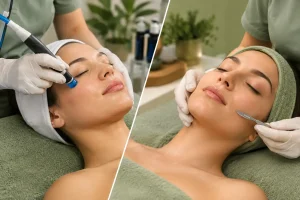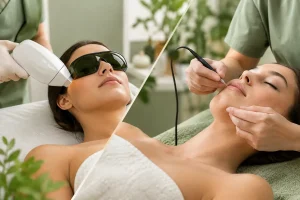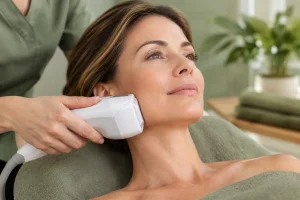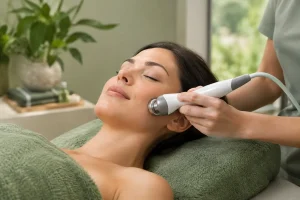
A radiofrequency facial should feel like a beautifully warm, restorative treatment – not something to dread. Yet it is completely natural to ask, does radiofrequency hurt? Particularly when you are choosing a treatment for your face or body and want visible results without compromising on comfort.
For most clients, professional radiofrequency treatment is comfortable and relaxing. You may feel steady warmth, a little pressure from the handpiece and, at times, a brief increase in heat over more sensitive areas. It should not feel sharp, unbearable or leave you counting down the minutes until it ends. A skilled therapist continually adjusts the treatment to your skin, your comfort and the area being treated.
“A radiofrequency facial should feel like a beautifully warm, restorative treatment – not something to dread.”
Does radiofrequency hurt during a facial?
Radiofrequency uses controlled energy to gently warm the deeper layers of the skin while keeping the surface protected. This warming action is designed to support collagen production, improve skin firmness and encourage a fresher, more refined appearance over a course of treatments.
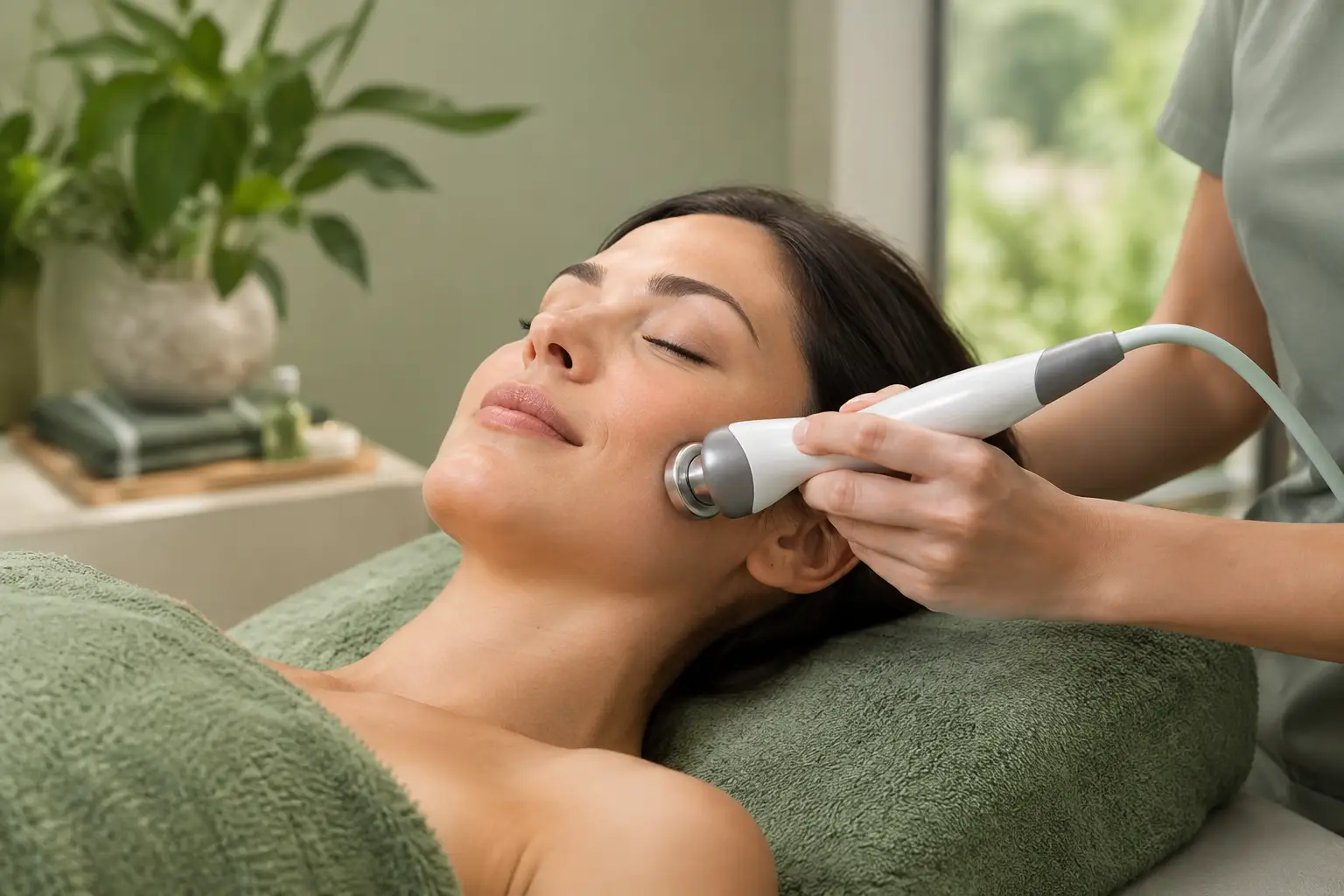
The feeling is often compared to a warm stone massage or a heated facial massage. Many clients enjoy it, especially across the cheeks, jawline and neck, where the slow, warming movement can feel particularly soothing. The sensation should be even and manageable, rather than intensely hot.
That said, comfort is personal. Skin that is naturally sensitive, dehydrated, flushed or reactive may notice the heat more quickly. Areas with less natural padding, such as close to the jawline or around the eyes, can also feel warmer than the fuller areas of the face. Your therapist should check in with you throughout, rather than applying one fixed setting to every client.
A little pinkness after a facial radiofrequency treatment can be normal. It usually settles quickly, leaving skin looking fresh and gently energised. Prolonged discomfort, blistering or significant swelling are not expected outcomes and should always be reported to your treatment provider.
Why radiofrequency feels warm rather than painful
The key difference lies in control. Professional radiofrequency devices are designed to deliver heat at a measured level, with the handpiece kept moving and the skin monitored throughout. A conductive gel or treatment serum is usually applied first so the applicator glides smoothly and energy is delivered evenly.
Your therapist will work gradually, watching for changes in skin response and asking how the temperature feels. The aim is to reach an effective warmth, not to push through discomfort. More heat is not automatically better. The most considered treatments balance results with skin health, allowing the skin to respond positively without unnecessary stress.
You may feel a few short pulses of stronger warmth, depending on the device and treatment area. This can happen when treating denser areas of the face or body, but it should still remain tolerable. If you feel a sting, a burning sensation or anything that makes you tense up, say so immediately. Speaking up is not being difficult – it is part of a tailored, professional treatment.
Facial radiofrequency versus RF microneedling
It is worth clarifying the type of treatment you have booked, because “radiofrequency” can describe more than one procedure. Standard non-invasive radiofrequency is delivered across intact skin and generally feels warm.
RF microneedling combines radiofrequency energy with tiny needles that create controlled microchannels in the skin. It can be more intensive and normally involves topical numbing cream, careful aftercare and some planned downtime. The results and treatment experience are different, so do not assume that one will feel the same as the other. Your consultation is the moment to ask exactly which technology is being used and what level of sensation to expect.
What can make radiofrequency feel more intense?
Your experience can vary from one appointment to the next. Hydration, hormones, stress levels and your skin’s condition can all affect sensitivity. If your skin is dry, irritated or recovering from too much sun exposure, warmth may feel stronger than usual.
Timing matters too. Some people feel more sensitive around their period, while others notice no difference at all. Certain skincare ingredients, including retinoids and exfoliating acids, may need to be paused before treatment if advised by your therapist. This is not about being overly cautious; it allows your skin to arrive in the best possible condition.
Treating the body can feel different from treating the face. Larger areas may be worked over for longer, and areas with thinner skin or less cushioning can be more sensitive. The approach should always be adapted accordingly, with settings chosen for the body area, your skin tone, your treatment goals and your feedback on the day.
How to make your appointment as comfortable as possible
Come to your appointment well hydrated and avoid arriving straight after intense exercise, a sauna or prolonged sun exposure. Heat and dehydration can make skin feel more reactive. It is also sensible to mention any new medication, recent injectables, active skin conditions or changes in your health during your consultation.
On the day, arrive with clean skin where possible and avoid using strong active products unless you have been advised otherwise. Your therapist may cleanse the area before beginning, but starting with calm, comfortable skin gives you the best foundation.
During treatment, be honest about the sensation. “Warm but comfortable” is useful feedback. So is “that area feels a little too hot.” A luxury treatment should never feel like something you simply have to endure. At The Beauty Box Pangbourne, personalised care means the pace and intensity are shaped around you, with the same attention to comfort as to your final result.
Afterwards, keep your skincare gentle. Your therapist may recommend avoiding direct heat, strenuous exercise, hot baths or active skincare for a short period, depending on the treatment performed. Follow the specific aftercare given to you, rather than copying a routine from someone else – your skin, treatment settings and goals are individual.
When radiofrequency may not be right for you
Radiofrequency is not suitable for everyone, and a thorough consultation is part of safe, premium care. Pregnancy, certain implanted electronic devices, metal implants in the treatment area, active infections, open wounds and some medical conditions may mean treatment needs to be postponed or avoided. The precise suitability criteria depend on the technology being used.
Be open about your medical history and any aesthetic treatments you have recently had. A reputable therapist would always rather reschedule than treat skin that is not ready. This protects your wellbeing and helps ensure the results are worthy of your time and investment.
If you are nervous, book with the expectation that questions are welcome. Ask how the treatment will feel, how your skin will be monitored, what results are realistic and how many sessions may be recommended. Confidence begins long before the handpiece touches the skin.
Radiofrequency can be a wonderfully comfortable way to support firmer, smoother-looking skin when it is professionally selected and thoughtfully delivered. The best approach is simple: choose experienced hands, share how your skin is feeling, and allow your treatment to be tailored around your comfort as carefully as your glow.