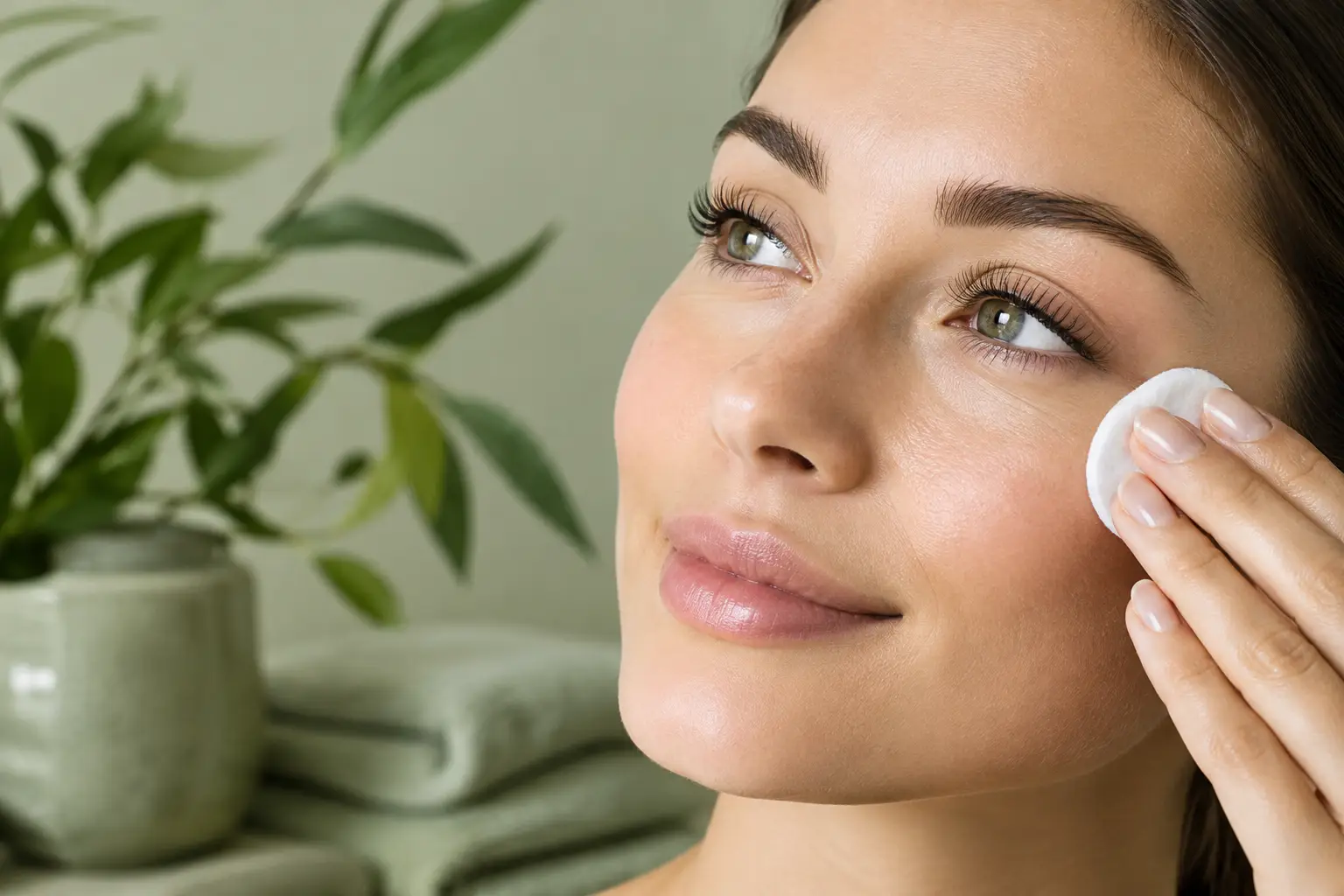
A lash lift is the quietly transformative treatment that makes early mornings feel that little bit more polished. Your own lashes are lifted from the root, creating a wide-awake, naturally defined look without extensions or daily curling. Thoughtful lash lift aftercare protects that beautiful finish, helps maintain the health of your natural lashes and gives your treatment the best chance of lasting beautifully.
The first day matters most, but the way you cleanse, condition and treat your eye area in the weeks that follow makes a genuine difference too. Here is how to care for your lifted lashes with confidence.
“The most beautiful lash lifts begin with healthy lashes.”
The first 24 hours after a lash lift
Your lashes need time to settle into their new shape. During the first 24 hours, keep them completely dry. Avoid water, steam, swimming, saunas and intense workouts that leave you perspiring heavily. It is also best to skip a hot bath or long shower, even if you keep your face out of the water, as steam can affect the setting process.
Try not to touch, rub or sleep face-down on your lashes during this period. They may feel slightly more noticeable simply because you are aware of them, but there is no need to brush or manipulate them straight after treatment. Leaving them alone is the most elegant approach.
Make-up around the eyes should also wait until the following day. That includes mascara, eyeliner and eyeshadow, as well as eye cream that may migrate onto the lashes. If you have a special event planned, arranging your lash lift two or three days beforehand gives you time for the lift to settle and lets you enjoy the result without compromise.
Lash lift aftercare from day two onwards
Once the first 24 hours have passed, you can return to your usual routine with a few considered adjustments. You can cleanse your face and shower normally, but use gentle movements around the eye area. Pressing, tugging or vigorous rubbing is never kind to natural lashes, lifted or otherwise.
Oil-based cleansers and waterproof mascara are not strictly forbidden after a lash lift, but they can be less than ideal. Waterproof formulas usually require more rubbing to remove, while rich oils can leave residue that weighs lashes down and makes them appear less crisp. A gentle, oil-free eye make-up remover is often the easier choice, particularly if you wear eye make-up most days.
You do not need mascara to make a lash lift look effective. The treatment is designed to showcase your natural lashes in a soft, flattering way. If you love extra definition, choose a regular, easy-to-remove mascara after the initial 24-hour period. Apply it lightly from root to tip and remove it patiently at night.
Brush gently, if needed
A clean spoolie can be used to guide lashes upwards in the morning, especially if you have slept on one side. Brush from underneath with a light hand rather than pulling through the lashes repeatedly. This takes seconds and can restore that neat, separated finish.
If your therapist has recommended a conditioning lash serum, use it exactly as advised. The right product can help keep natural lashes supple and nourished between appointments. More product is not necessarily better, though. Applying too much close to the lash line can cause irritation or travel into the eye.
What to avoid to protect your result
A lift normally looks its best for around six to eight weeks, depending on your natural lash growth cycle, skincare routine and day-to-day habits. You cannot stop lashes shedding naturally, but you can avoid unnecessary stress on them.
For the life of the lift, be mindful of mechanical curlers. A lash curler is usually unnecessary after treatment and can kink, pull or damage lashes when used on already lifted hairs. Likewise, resist picking at your lashes or trying to correct a stray hair at home. A little unevenness can simply be part of the natural growth cycle, and it is always better assessed by a trained therapist.
If you wear contact lenses, remove them before cleansing around your eyes if that makes your routine more comfortable. Dry eyes, allergies and hay fever can make rubbing feel tempting, so use lubricating drops prescribed or recommended by your optician where appropriate and pat the eye area gently instead.
You should also take care with active skincare products. Retinoids, exfoliating acids and strong vitamin C products are valuable additions to many routines, but they should not be applied too close to the eyes. Besides the risk of stinging, they can make the delicate eye area dry and more prone to irritation. Keep your eye cream and treatment products within the orbital bone, rather than directly along the lashes.
Can you wear make-up, swim and exercise?
Yes, after the initial 24-hour window, you can enjoy all three. The difference lies in how you care for your lashes afterwards. Rinse away chlorine or salt water promptly, then cleanse gently when you are home. After a sweaty gym session, avoid wiping your face roughly with a towel. Instead, press the skin dry and leave the lashes alone.
Make-up is a personal choice, not a requirement. Many clients find they need far less eye make-up after a lift, which makes getting ready feel simpler while still looking polished. For occasions when you would like more impact, a light layer of mascara can complement the lift beautifully.
False strip lashes are best saved for another time. The adhesive and removal process can place avoidable tension on your natural lashes. If you are considering lash extensions, speak to your therapist first. A lash lift and extensions are different treatments, and the right option depends on the effect you want and the condition of your natural lashes.
Keep your natural lashes healthy between appointments
The most beautiful lash lifts begin with healthy lashes. Cleanse your eye area every evening, even on days when you have not worn make-up, to remove sunscreen, natural oils and airborne debris. Be gentle but thorough, particularly at the lash line.
A balanced lifestyle supports hair health generally, but there is no need to chase miracle supplements for lashes. If you have noticed sudden, significant lash loss or persistent irritation, seek advice from a pharmacist, optician or GP rather than adding products at random. A professional consultation is especially worthwhile if you have sensitive eyes, eczema around the eyelids, recent eye surgery or a history of reactions to beauty treatments.
Timing your appointments well also protects lash condition. A fresh lift every six to eight weeks is usually the sweet spot, allowing the natural lash cycle to progress without over-processing. Booking too soon may mean lifting lashes that are still in the same growth phase, while waiting a little longer can be preferable if your lashes are fine, dry or growing unevenly.
When should you contact your therapist?
A little adjustment period is normal, particularly if it is your first lash lift. However, burning, swelling, persistent watering, redness or significant itching are not results to ignore. Rinse the eye area with cool water if advised and contact your therapist promptly for guidance. If symptoms are severe or affect your vision, seek medical attention.
It is also worth getting in touch if you are unsure whether a product in your routine is suitable. Personalised advice is always better than risking your result with a new cleanser, serum or eye make-up product. At The Beauty Box Pangbourne, the goal is not simply a lovely result on the day, but lashes that continue to feel comfortable, healthy and beautifully cared for afterwards.
A little patience pays off
The appeal of a lash lift is its effortless polish: you can wake up, brush through your lashes and already look refreshed. Give the first 24 hours the care they deserve, be gentle at cleansing time and let your natural lashes do what they do best. Your reward is a soft, confidence-boosting lift that feels as luxurious on a quiet Monday morning as it does before your next special occasion.