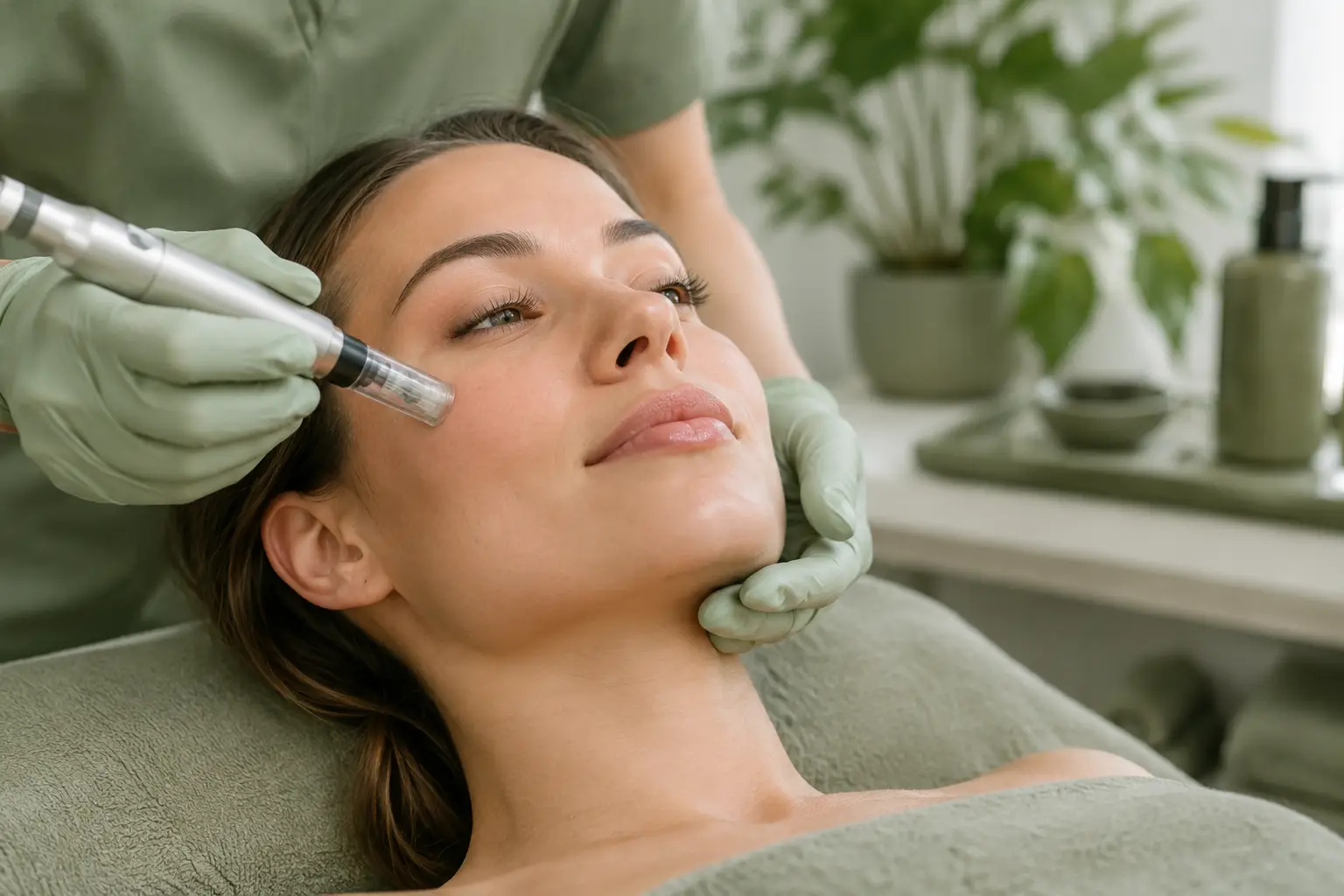
A good microneedling review should tell you more than whether someone’s skin looked lovely the following day. It should be honest about the warm, flushed post-treatment glow, the patience required while your skin renews itself, and the subtle but meaningful confidence that can come from a smoother, fresher-looking complexion.
Microneedling is often chosen by clients who feel their skin has lost some of its clarity, firmness or evenness. Perhaps make-up no longer sits as beautifully as it once did, old blemish marks catch the light, or fine lines feel more noticeable around the eyes and mouth. It is a treatment with real potential, but it is not a quick fix or a one-size-fits-all facial. The quality of the consultation, technique and aftercare matter just as much as the treatment itself.
“It is a treatment with real potential, but it is not a quick fix or a one-size-fits-all facial.”
What is microneedling designed to do?
Microneedling, sometimes called collagen induction therapy, uses a professional device with very fine needles to create controlled microchannels in the skin. This process encourages the skin’s natural repair response, supporting collagen and elastin production over time. These are the proteins that help skin feel firmer, appear smoother and retain that supple, healthy quality we associate with a well-rested complexion.
The treatment can be tailored to address concerns such as fine lines, enlarged pores, uneven texture, dullness, mild pigmentation and the appearance of acne scarring. It can also be an excellent choice for clients who want skin rejuvenation without moving straight to more intensive procedures.
The important word here is tailored. Needle depth, the areas treated and the products selected afterwards should reflect your skin, your goals and your tolerance for downtime. A responsible practitioner will not promise to erase deep scars in a single appointment, nor push treatment when the skin barrier is compromised.
Our microneedling review: what the appointment feels like
For most people, the thought of needles sounds more daunting than the reality. Your appointment should begin with a considered consultation, including a discussion of your medical history, skincare routine, sensitivities and the result you would like to achieve. This is also the moment to mention active breakouts, cold sores, recent sun exposure, prescription skincare or any tendency towards pigmentation.
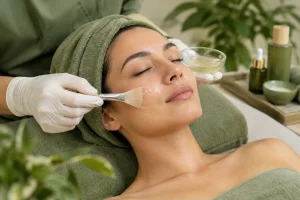
After the skin is thoroughly cleansed and prepared, a topical numbing cream may be used where appropriate. The device is then passed methodically over the treatment area. Clients commonly describe a light scratching or vibrating sensation, with more awareness around bony areas such as the forehead, nose and upper lip. It should feel controlled and tolerable, not like something you have to endure.
A professional treatment is precise rather than aggressive. Some redness is expected, but more intensity does not automatically mean better results. The aim is to stimulate the skin respectfully while keeping your comfort and safety at the centre of the experience.
At The Beauty Box Pangbourne, the atmosphere matters as much as the technical detail. Advanced skin treatments should feel reassuring and expertly guided, with the calm care you would expect from a luxury local salon, rather than impersonal or rushed.
The first week: redness, recovery and realistic expectations
Immediately after microneedling, skin often looks pink to red, similar to a mild sunburn. There may be a feeling of warmth and tightness, particularly during the first 24 hours. This is a normal part of the initial response, and most clients find the visible redness settles substantially within one to three days, depending on the intensity of treatment and their individual skin.
You may notice dryness, slight flaking or a sandpaper-like texture later in the week. This can be tempting to exfoliate away, but gentle patience pays off. Use the recommended soothing products, avoid picking, and let the skin complete its renewal process without interference.
For a short period, it is wise to avoid make-up, active skincare ingredients, heat, swimming pools, saunas and strenuous exercise. Strong retinoids, exfoliating acids and fragranced products can all feel uncomfortable on newly treated skin. Daily high-factor SPF is essential, especially for anyone prone to pigmentation. The skin is more vulnerable while it heals, and careful sun protection helps safeguard the results you are investing in.
If you are planning a wedding, holiday or a major event, do not leave your first session until the final few days. Book it with enough breathing room for your complexion to settle. A fresh, refined glow is the goal, but it arrives after recovery, not before it.
When do results begin to show?
One of the most common sources of disappointment with microneedling is expecting dramatic change overnight. The immediate plumpness following treatment is often partly due to mild swelling and hydration. The longer-term improvements come more gradually, as collagen remodelling takes place beneath the surface.
Many clients notice a healthier radiance and smoother feel after a few weeks. Concerns such as texture, fine lines and superficial scarring may continue to improve over the following months. For this reason, microneedling is usually most rewarding as a course of treatments rather than a one-off appointment.
How many sessions you need depends on your starting point. A client seeking general skin revitalisation may be delighted with a short course and occasional maintenance, while deeper acne scarring or more established textural concerns often require a longer treatment plan. Your practitioner should explain this clearly, with no pressure and no exaggerated claims.
Who may benefit – and who should wait?
Microneedling suits many skin types and can be a thoughtful option for people who want visible skin improvement while preserving a natural look. It does not change your face or create an artificial finish. Instead, it supports your skin’s own regenerative processes.
That said, there are times when postponing is the best choice. Active acne, skin infections, open wounds, eczema or psoriasis in the treatment area, a current cold sore, recent sunburn and certain medical conditions can make treatment unsuitable. Pregnancy, breastfeeding, medication and a history of keloid scarring should also be discussed in detail during consultation.
Pigmentation-prone skin deserves particular care. Microneedling can be appropriate, but settings and aftercare need to be selected carefully to reduce the chance of post-inflammatory hyperpigmentation. This is why an in-person assessment is so valuable. A tailored recommendation is far more useful than copying someone else’s treatment plan from social media.
Is microneedling worth it?
For the right client, yes – particularly if your goal is gradual, refined improvement in skin texture, radiance and firmness. The treatment asks for some commitment: a period of recovery, diligent SPF use and the understanding that collagen takes time to build. It is not the best choice if you need an immediate event-ready result with no redness at all.
The value is also closely tied to professional standards. Sterile single-use needle cartridges, careful skin preparation, appropriate treatment depth and calm, clear aftercare are non-negotiable. Luxury in aesthetics is not simply a beautiful treatment room. It is the confidence of knowing your skin is being treated with skill, hygiene and genuine attention to detail.
If your complexion feels a little tired, uneven or marked by the past, microneedling can offer a beautifully measured way forward. Start with a consultation, ask every question you need to ask, and give your skin the time and care it deserves to reveal its glow.