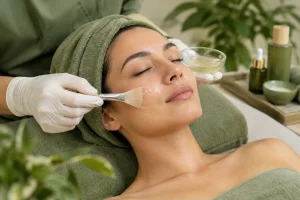
A facial should leave your skin feeling comforted, luminous and cared for – not hot, tight or unsettled. If you have ever searched for which facial suits sensitive skin, the most helpful answer is not simply a treatment name. It is a considered approach: one that respects your skin barrier, your current triggers and how your complexion behaves on that particular day.
Sensitive skin can be beautifully radiant, but it often asks for a little more restraint. The right professional facial combines gentle techniques, carefully chosen products and a therapist who knows when to simplify rather than add another active step. At its best, it is an indulgent pause that supports calmer, stronger-looking skin over time.
“Choose expertise over intensity, and let your skin set the pace.”
What does sensitive skin need from a facial?
Sensitivity is not always a fixed skin type. Some people are naturally prone to redness, flushing and reactivity, while others develop sensitivity after using potent skincare, over-exfoliating, experiencing stress or spending time in harsh weather. Rosacea, eczema and a compromised barrier can also make skin more vulnerable.
This is why a personalised consultation matters before any facial begins. Your therapist should ask about current skincare, allergies, prescribed topical treatments, recent professional procedures and the changes you have noticed in your complexion. A treatment that felt lovely a month ago may not be the right choice if your skin is irritated today.
For most sensitive complexions, the priorities are hydration, barrier support and soothing inflammation. Think gentle cleansing, a light touch, comforting masks and products formulated to replenish rather than stimulate. The aim is to leave the skin balanced and fresh, without chasing an immediate, overly aggressive glow.
Which facial suits sensitive skin when it feels reactive?
A calming, hydrating facial is usually the most reliable choice during a reactive phase. These treatments focus on moisture and comfort, often using gentle massage, cool or calming masks and ingredients selected for their soothing properties. They are particularly lovely when skin feels dry, prickly, tight or flushed.
Look for a facial that can be adapted in the treatment room. Fragrance-free or low-fragrance products, ceramides, hyaluronic acid, glycerin, panthenol and calming botanical extracts may all be appropriate, depending on the individual formula and your known sensitivities. A trained therapist will not assume that natural ingredients are automatically gentler – essential oils and certain plant extracts can be irritating for some clients.
The treatment should avoid unnecessary friction. Scrubs, vigorous facial massage, hot towels and strong exfoliating acids can feel luxurious to some skin types, but they may increase redness in a sensitive complexion. Gentle pressure, measured application and a slower pace often make the more meaningful difference.
A bespoke facial is often better than a fixed menu choice
Sensitive skin is rarely predictable enough for a one-size-fits-all approach. A bespoke facial allows the therapist to adjust each stage, whether that means skipping exfoliation, choosing a more nourishing mask or avoiding steam altogether.
At The Beauty Box Pangbourne, this kind of tailored care is central to creating a treatment that feels both luxurious and reassuring. Your facial should never feel like something being done to your skin. It should feel considered around it.
Can a HydraFacial work for sensitive skin?
A HydraFacial can suit some sensitive clients, but it depends on the level and cause of sensitivity. The treatment can deliver hydration and a deeply refreshed finish, yet its exfoliation and extraction elements are not right for every reactive complexion or every appointment.
For skin that is stable but prone to mild sensitivity, a practitioner may be able to tailor the protocol, selecting gentler settings and appropriate serums while avoiding any step likely to overwhelm the barrier. This can be a useful option for someone wanting a polished, hydrated appearance before an occasion, provided their skin has tolerated similar treatments well.
However, if your face is currently inflamed, peeling, sunburnt, stinging or experiencing an eczema or rosacea flare, a restorative facial is generally the kinder choice. The same applies if you have recently had another intensive skin treatment, started a retinoid or changed prescription skincare. Waiting until the skin has settled is not missing out – it is intelligent skin care.
Treatments to approach with care
Sensitive skin does not have to avoid every advanced facial forever, but timing and professional judgement are essential. Chemical peels, microneedling, radio frequency treatments and more intensive exfoliation can be valuable for specific concerns, yet they are not first choices for a compromised or actively reactive barrier.
An experienced practitioner will assess whether your goals, such as smoother texture, clearer pores or a more even tone, can be pursued gently now or whether it is wiser to build skin resilience first. There is a trade-off: stronger treatments may offer more dramatic results for some concerns, but they also carry a higher risk of temporary redness and irritation. For sensitive skin, gradual progress is often the more elegant route.
Be open about treatments you have had elsewhere, including injectables, laser procedures and at-home exfoliating products. This information helps your therapist plan safely and avoid combining techniques that could place unnecessary stress on the skin.
How to prepare for a facial with sensitive skin
The days before your appointment are a good time to keep your routine simple. Avoid introducing a new active serum, facial scrub or peel at home. If you use retinoids, exfoliating acids or benzoyl peroxide, ask your therapist whether you should pause them beforehand. The correct advice will depend on the product, its strength and your planned treatment.
Arrive with a clear picture of what your skin has been doing. Has it become red after cleansing? Has a new foundation caused stinging? Are you recovering from a holiday, illness or a period of stress? These small details help shape a facial that feels genuinely personalised.
A patch test may be sensible if there is a particular product or advanced treatment you are concerned about. It cannot guarantee that every reaction will be avoided, but it is a thoughtful precaution for clients with a history of allergies or significant reactivity.
The aftercare that protects your glow
Your facial does not end when you leave the treatment bed. Sensitive skin benefits from a quiet 24 to 48 hours afterwards, especially if any exfoliation or extractions were included. Keep your routine gentle, use lukewarm water and apply a simple moisturiser that you already know your skin accepts well.
Daily SPF is essential, particularly after any facial involving resurfacing or exfoliation. Avoid trying new make-up or skincare immediately afterwards if your complexion is prone to reactions. It is also wise to postpone saunas, steam rooms, intense exercise and very hot showers for the rest of the day if you tend to flush easily.
If your skin feels slightly pink after treatment, this should settle comfortably rather than worsen. Persistent burning, swelling, itching or an unexpected rash should be treated seriously. Stop using any new products, follow the advice given by your practitioner and seek medical guidance if symptoms are severe or do not ease.
A sensitive-skin facial should feel like a sanctuary
The best facial for sensitive skin is not necessarily the most elaborate one. It is the treatment that meets your complexion where it is, protects its natural defences and gives you the calm confidence of knowing that every step has a purpose.
Choose expertise over intensity, and let your skin set the pace. With regular, thoughtful care, a sensitive complexion can look wonderfully hydrated, even and glowing – while still feeling as comfortable as it should.