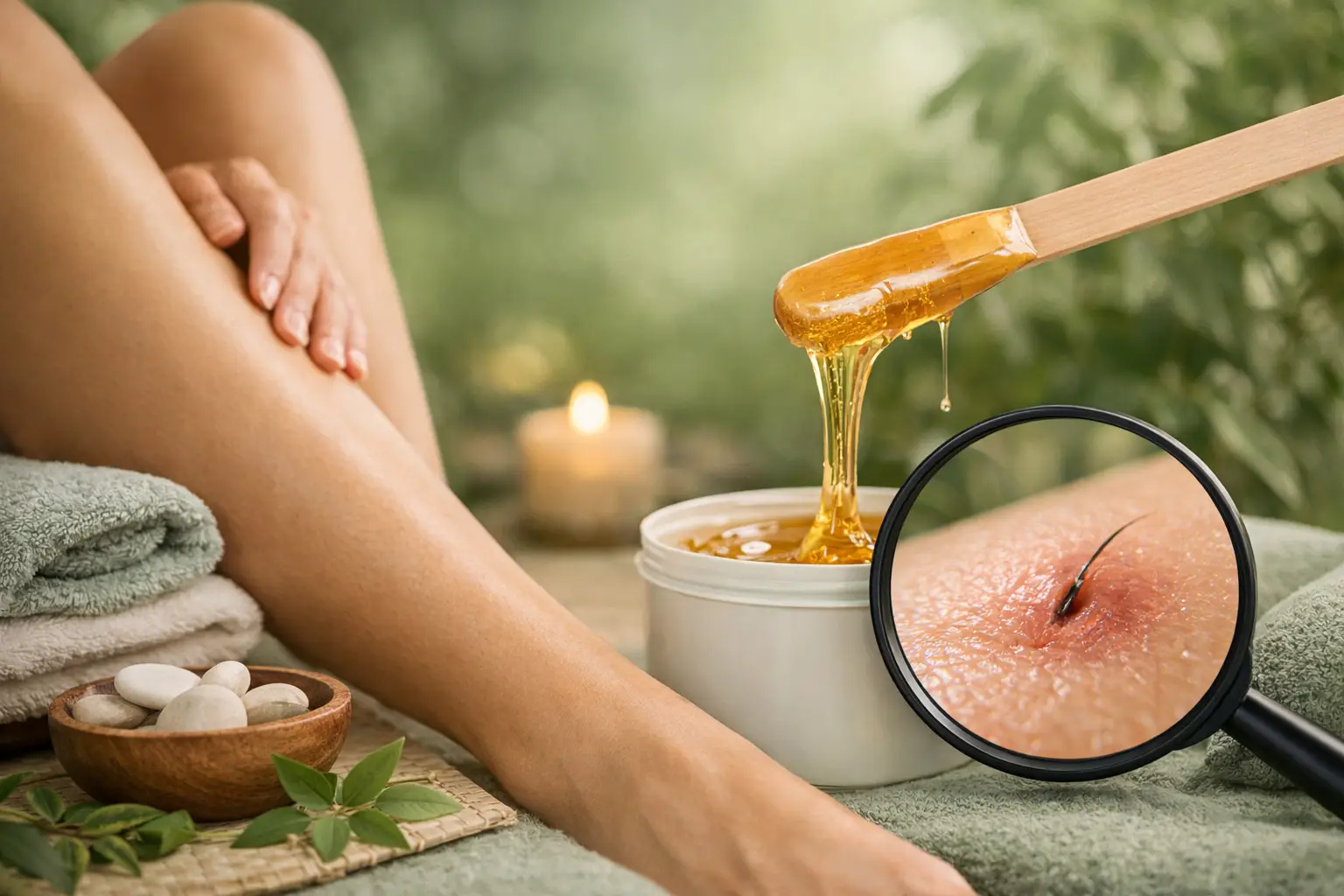
If you are dealing with stubborn bumps along the bikini line, underarms or legs, it is completely fair to ask: can waxing reduce ingrown hairs? The short answer is yes, it can – but only when the waxing is done correctly, the hair length is right, and the skin is cared for properly afterwards. For some people, waxing leads to noticeably smoother skin with fewer trapped hairs. For others, poor technique or the wrong aftercare can keep the cycle going.
“Luxury in beauty is not only about comfort – it is also about precision.”
Can waxing reduce ingrown hairs or make them worse?
Waxing can help reduce ingrown hairs because it removes the hair from the root rather than cutting it at the skin’s surface. That matters. When hair is shaved, the blunt edge can sometimes curl back into the skin as it grows, especially in areas where friction, heat and tight clothing are part of daily life. Waxing allows the hair to grow back softer over time, which may make it less likely to become trapped.
That said, waxing is not a guaranteed fix for everyone. If the hair breaks during removal instead of coming away cleanly from the root, those shorter broken hairs can still become ingrown. Sensitive skin, coarse regrowth, a naturally curly hair pattern and dead skin build-up can also all play a part. This is why the quality of the treatment makes such a difference.
A professional wax in a clean, expertly managed salon setting tends to be very different from a rushed at-home attempt. Skin preparation, correct wax choice, neat sectioning and careful removal all affect the final result. Luxury in beauty is not only about comfort – it is also about precision.
Why ingrown hairs happen in the first place
Ingrown hairs develop when a hair cannot emerge cleanly through the skin. Instead, it curls underneath or grows sideways into the follicle wall. The body then treats it like irritation, which leads to redness, tenderness, itching or small inflamed bumps.
Some areas are more prone than others. The bikini area is a common concern because the hair is often coarser, the skin is delicate, and clothing creates regular friction. Underarms can also be troublesome due to heat, sweat and repeated hair removal. Legs may be less sensitive for some clients, but dryness and missed exfoliation can still lead to blocked follicles.
Your skin type and hair texture matter too. If your hair is thick or tightly curled, you may be more likely to experience ingrowns no matter which method you choose. Hormones, exercise clothing, shaving between waxes and even certain body lotions can influence what happens as the hair grows back.
When waxing is most likely to help
Waxing is often most helpful when ingrown hairs are linked to frequent shaving. If you are shaving every couple of days, especially in areas with coarse regrowth, the skin may never really settle. Switching to waxing can create a longer break between hair removal appointments and reduce the constant cycle of surface irritation.
Regular waxing can also encourage finer regrowth over time. That does not happen overnight, and results vary from person to person, but many clients notice that the hair returns softer and less densely after a series of consistent treatments. Softer hair can be less likely to push awkwardly back into the skin.
The key word here is regular. Waxing sporadically, then shaving in between, often works against the result you are trying to achieve. If smoother, calmer skin is the goal, consistency is usually what makes the difference.
Technique matters more than most people realise
Not all waxing is equal. The temperature of the wax, the direction of removal, how the skin is held taut and whether the therapist selects hot wax or strip wax for the area all matter. Poor technique can snap the hair rather than remove it cleanly. That leaves a sharp fragment under the skin and increases the chance of irritation.
This is one reason clients who have had disappointing results elsewhere are often surprised by what a more tailored approach can do. In a professional salon, waxing should feel considered rather than mechanical. The skin is assessed, sensitivities are noted and the method is adapted to suit the area and the individual.
When waxing may not be the best answer
There are times when waxing is not the ideal solution for ingrown hairs. If the area is already badly inflamed, sore or infected, waxing can aggravate it. If you are using strong exfoliating acids, retinoids or certain skin medications, the skin may be too fragile for safe waxing. In these cases, advice from a trained professional is essential before booking treatment.
Some clients also find that despite excellent waxing and careful aftercare, ingrown hairs remain a recurring issue because of their hair type or hormonal pattern. If that sounds familiar, it may be worth considering a longer-term reduction approach such as laser hair removal. Fewer hairs growing back generally means fewer chances for them to become trapped.
Waxing is an excellent maintenance treatment for many people, but it is not the only route. The best option is always the one that respects both your skin and your comfort.
How to make waxing better for ingrown-prone skin
If you are choosing waxing to help manage ingrown hairs, aftercare is just as important as the appointment itself. Freshly waxed skin needs calm, clean support. Heavy friction, gym sessions straight afterwards, hot baths and heavily fragranced products can all leave the area more reactive than it needs to be.
Gentle exfoliation, introduced at the right time, is one of the most effective ways to keep follicles clear. Not immediately after waxing, when the skin is more vulnerable, but a few days later once it has settled. This helps remove the dead skin that can trap new growth beneath the surface. The trick is gentle and consistent, not harsh and aggressive.
Hydration also matters. Well-moisturised skin is often more supple, which can help the hair emerge more easily. A light, skin-friendly moisturiser is usually a better choice than anything overly rich or occlusive in areas prone to congestion.
Habits that quietly make ingrowns worse
A few common habits can undo the benefits of a good wax. Shaving between appointments is one of them. Picking at bumps is another, as it can lead to pigmentation and even scarring. Wearing very tight clothing straight after a bikini or underarm wax can also increase friction when the follicles are at their most open and delicate.
It is also worth paying attention to timing. If the hair is too short, wax may struggle to grip it properly. If it is too long, the treatment can be more uncomfortable and less neat. Allowing the correct regrowth between appointments gives the best chance of a clean removal from the root.
Can waxing reduce ingrown hairs in the bikini area?
Yes, waxing can reduce ingrown hairs in the bikini area, but this is also the area where aftercare becomes most important. The combination of coarse hair, heat, underwear seams and movement means the bikini line is especially vulnerable to trapped regrowth.
For many women, professional bikini waxing works far better than repeated shaving because it avoids that stiff, blunt regrowth that can feel prickly within a day or two. However, if the skin is neglected afterwards, or if there is regular rubbing from tight activewear, bumps can still develop.
This is why a personalised approach matters so much. One client may need a different wax type, a different treatment schedule or a gentler exfoliation plan than another. There is no single rule that suits every skin type.
What to expect if you switch from shaving to waxing
The first few waxes may not solve everything at once. If the hairs are growing in different cycles because of regular shaving, some may reappear sooner than others at the beginning. That is normal. With consistent appointments, growth often becomes more even, and the skin may start to feel smoother for longer.
You may also notice that existing ingrown marks do not vanish immediately. Waxing can help prevent future ones, but any pigmentation or texture left behind from older bumps can take time to fade. Patience and proper skin care are part of the process.
For clients who want polished, cared-for skin rather than quick fixes, this is usually where professional advice becomes invaluable. A thoughtful treatment plan often delivers a better result than simply changing hair removal methods at random.
At The Beauty Box Pangbourne, that balance of comfort, hygiene and tailored expertise is exactly what makes regular treatments feel less like a chore and more like proper care.
If ingrown hairs have become a constant annoyance, waxing may well be the gentler, more effective route – but the real difference comes from how the treatment is carried out, how your skin is supported afterwards and whether the method truly suits you. Smooth skin is rarely about one appointment alone. It is about choosing a routine that leaves you feeling comfortable, confident and beautifully looked after.