You notice it first in the small things – makeup settling a little differently, a softer jawline in certain light, skin that still looks good but not quite as firm as it once did. For many clients, that is the point where hifu becomes interesting. It offers a non-surgical way to support tighter, firmer-looking skin without stepping into the world of injectables or surgery.
HIFU stands for High-Intensity Focused Ultrasound. In aesthetics, it is used to target the deeper structural layers of the skin with carefully controlled ultrasound energy. The aim is to stimulate collagen production and create a gradual tightening effect over time. It is often chosen by people who want visible improvement, but in a way that still feels natural and understated.
“Sometimes the most effective plan is layered over time rather than relying on one treatment to do everything.”
What hifu actually does
HIFU is different from many facial treatments because it works below the surface of the skin rather than only treating what you can immediately see. The ultrasound energy reaches specific depths, including the foundational layers that are associated with firmness and lift. This controlled thermal action encourages the skin’s natural repair response, which in turn supports new collagen.
That matters because collagen is one of the key building blocks that keeps skin looking supple, smooth and resilient. As collagen levels naturally decline with age, skin can begin to appear looser around the jawline, cheeks, neck and brow area. HIFU does not change your features or create an artificial look. Its role is to encourage the skin to behave more like firmer, stronger skin again.
The result is usually subtle at first, then more noticeable over the following weeks and months. This is one reason many clients like it. You can look fresher and more refined without feeling as though you have had something obvious done.
How hifu treatment feels in practice
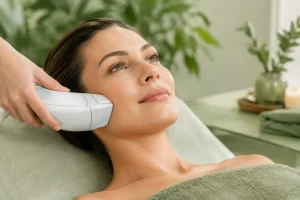
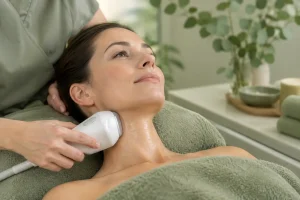
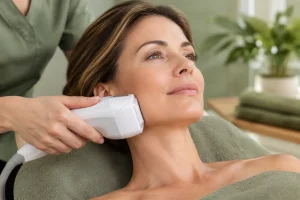
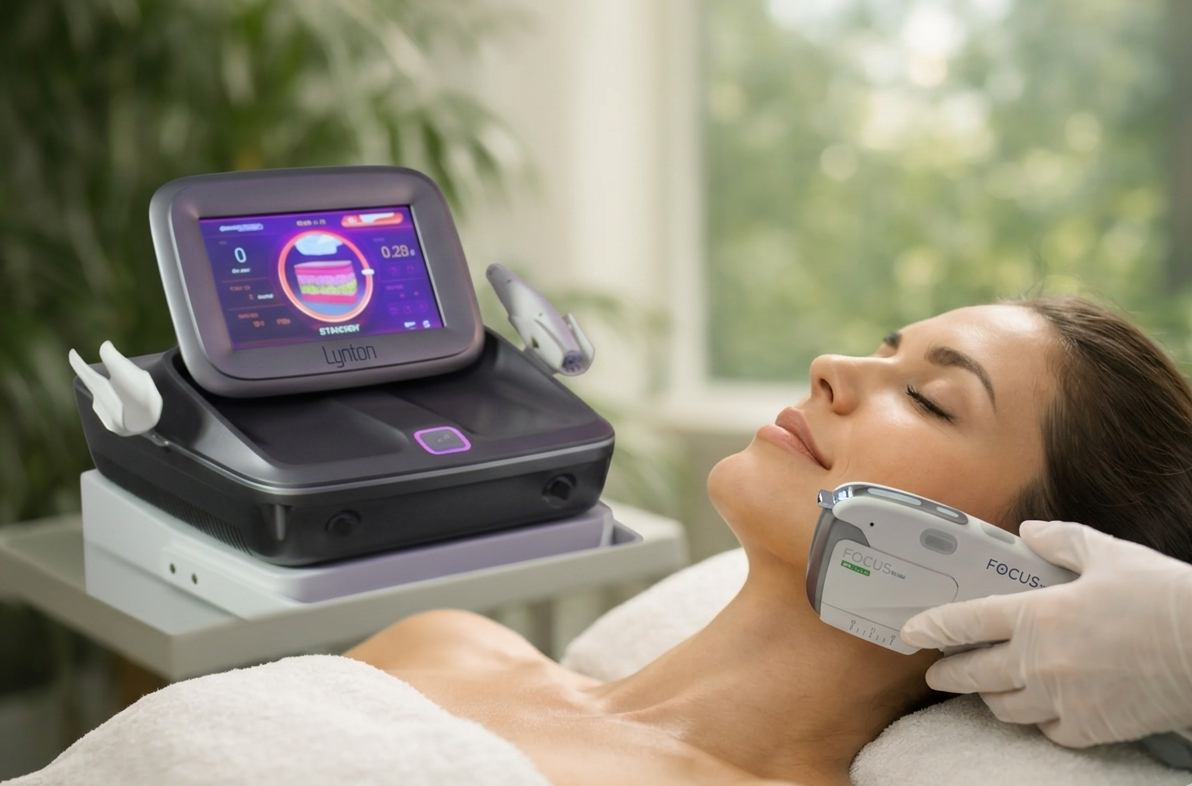
One of the reasons HIFU appeals to busy women is that it fits neatly into real life. A treatment appointment is generally straightforward, with your skin cleansed before the device is applied to the chosen area. Depending on the treatment plan, this might include the lower face, jawline, neck or a fuller face and neck combination.
As the energy is delivered, you may feel warmth and small prickling or zapping sensations beneath the skin. Some areas are more comfortable than others. The jawline and lower face, for example, can feel sharper than fleshier parts of the face. Most clients tolerate it very well, especially when they know what to expect, but comfort is always individual.
Afterwards, the skin may look slightly flushed, but there is usually very little downtime. Some people return to normal activities straight away. Others notice mild tenderness, a little swelling or sensitivity for a day or two. That is completely different from the recovery associated with surgery, but it is still worth planning around a busy social calendar if you prefer to be cautious.
Who hifu suits best
HIFU tends to work best for clients with mild to moderate skin laxity. In simple terms, that means skin that has started to lose firmness but still has enough natural structure to respond well. You might be a good candidate if you have noticed early jowling, a softer neck area, slight drooping around the cheeks, or a general loss of definition that skincare alone is not improving.
It can be especially appealing if you want results-led treatment without injectables, or if you are not ready for anything invasive. For many women, it sits in that sweet spot between advanced facial and surgical procedure.
That said, hifu is not the right choice for everyone. If the skin is very loose or there is significant sagging, the result may be more modest than you hope for. In those cases, a practitioner should be honest with you. Good aesthetics is never about overselling a treatment. It is about matching the right treatment to the right concern.
Age is not the deciding factor on its own. Skin quality, collagen levels, lifestyle and treatment goals all matter more than a number. Someone in their late thirties with early laxity may love the result, while someone older may still benefit but need a broader treatment plan.
Hifu results: what to expect
The most important thing to understand is that HIFU is gradual. You may notice a small initial tightening effect, but the main improvement develops over time as fresh collagen forms. For most clients, changes become more visible across eight to twelve weeks, with ongoing improvement for several months.
Results vary, because skin varies. Your age, baseline laxity, general skin health and even factors like sun exposure and smoking can influence the outcome. Some clients see a pleasing improvement after one session, while others benefit from repeat treatment depending on the area and their goals.
A good result often looks like better definition rather than dramatic change. Think a cleaner jawline, skin that appears firmer, less heaviness through the lower face, and an overall fresher look. It is refinement, not reinvention.
This is also where expectations matter. HIFU can be a beautiful option for maintenance and prevention as well as correction, but it does not replace a surgical facelift. If what you want is a very significant lift, the treatment may feel too subtle. If what you want is a natural-looking boost with minimal interruption to your routine, it can be an excellent fit.
Areas commonly treated with hifu
The lower face and jawline are among the most requested areas because that is where early laxity often becomes visible first. HIFU is also commonly used on the neck, where skin can begin to feel thinner and less taut over time. Some treatment plans also include the brow area to create a gently lifted, more awake appearance.
Body treatments do exist, but facial and neck rejuvenation are where HIFU is most often discussed in a salon and aesthetic setting. The exact approach should always depend on a thorough consultation and a realistic view of what the treatment can achieve for your individual features.
Hifu compared with other skin tightening treatments
Clients often ask how HIFU compares with radio frequency or microneedling. The truth is that these treatments are not identical, and they do not always compete. Often, they complement one another.
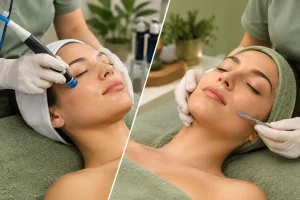
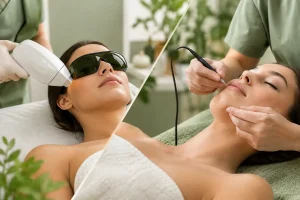
HIFU works deeper, focusing on structural support and lift. Radio frequency generally targets more superficial layers and is often loved for improving skin texture, mild tightening and glow. Microneedling is excellent for texture, scarring, pores and overall skin quality, especially when collagen stimulation is the goal.
If your main concern is firmness and contour, HIFU may be the better starting point. If your skin is dull, uneven or texturally compromised, another treatment may deserve priority. Sometimes the most effective plan is layered over time rather than relying on one treatment to do everything.
That is why expert guidance matters. Luxury treatment should never mean guesswork. It should feel thoughtful, tailored and grounded in what your skin genuinely needs.
What makes a good hifu consultation
A proper consultation should feel calm, honest and personalised. You should leave understanding not only how HIFU works, but whether it is likely to work well for you. A good practitioner will ask about your medical history, assess your skin quality, discuss your areas of concern and explain what sort of result is realistic.
They should also be clear about who should avoid treatment. Certain medical conditions, active skin issues, pregnancy, metal implants in the treatment area or recent aesthetic procedures may affect suitability. This is never a treatment to book on impulse simply because it sounds appealing.
The right provider will also talk you through aftercare, timing and how HIFU fits into a wider skin journey. For some clients, it becomes a beautiful annual maintenance treatment. For others, it is one part of a more comprehensive plan designed to keep skin looking firm, healthy and polished.
At The Beauty Box Pangbourne, that tailored approach is part of the experience. Advanced treatments should still feel reassuring, comfortable and deeply personal.
Is hifu worth it?
For the right client, yes. HIFU can be very worthwhile if you value gradual, natural-looking improvement and want a treatment that supports firmness without surgery or significant downtime. It is particularly appealing for women who invest in their skin consistently and appreciate results that look elegant rather than obvious.
The real value lies in fit. If your skin concerns, expectations and treatment plan align, HIFU can be a clever investment in your confidence. If they do not, another option may serve you better.
That is the beauty of a thoughtful consultation and a carefully chosen clinic. The best treatment is not the most talked about one. It is the one that suits your face, your lifestyle and the way you want to feel when you catch your reflection.