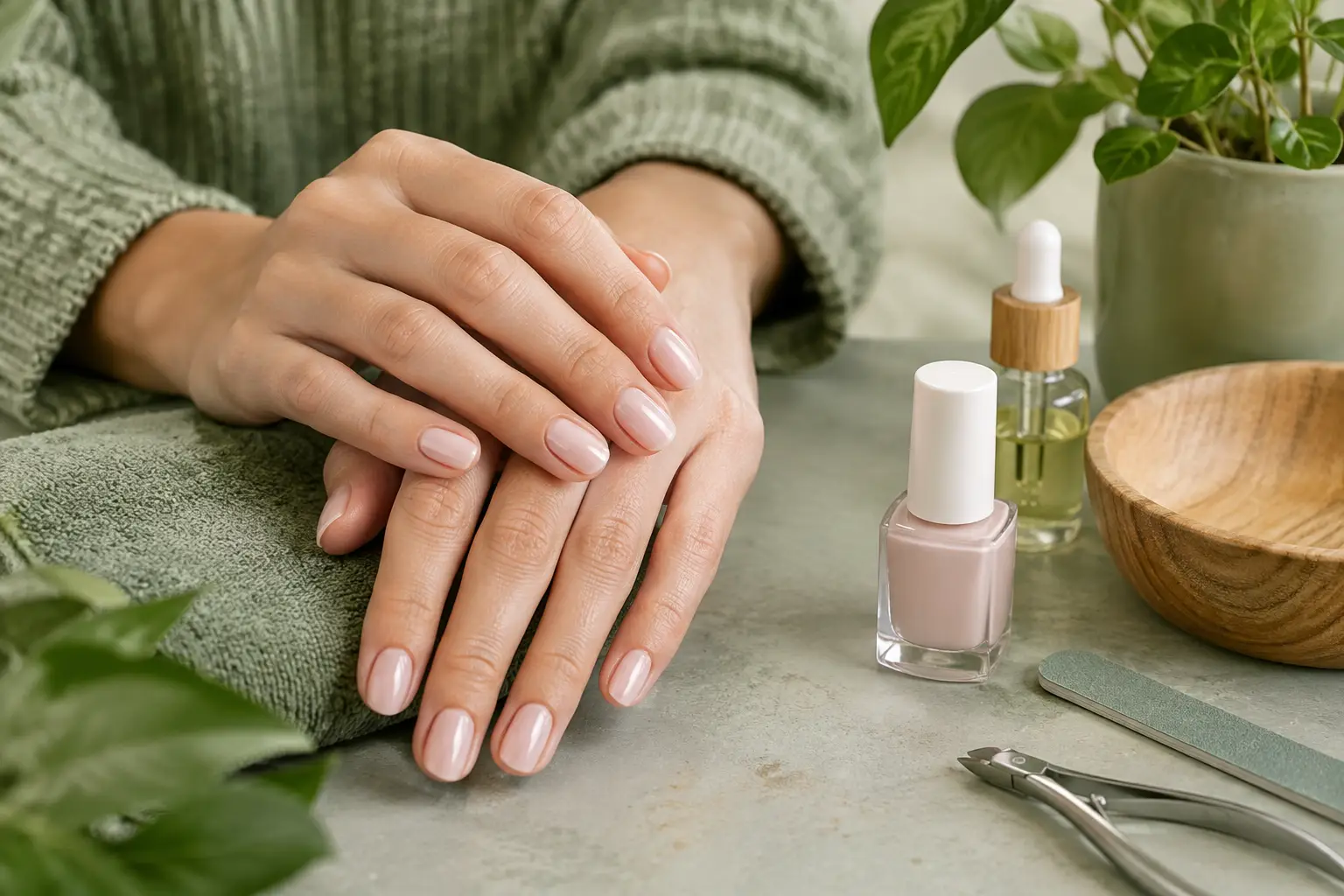
A beautiful manicure should feel like a small luxury that stays polished long after you leave the salon. If you are wondering how to make manicure last longer, the answer is rarely one miracle product. Lasting colour begins with thoughtful preparation, a skilled application and the everyday habits that protect your nails once you are back to work, family life and everything in between.
Whether you favour classic polish for a soft, elegant finish or gel for extra wear, a little care can make a visible difference. The aim is not simply to avoid chips, but to keep your hands looking refined while supporting healthy natural nails underneath.
“A beautiful manicure should feel like a small luxury that stays polished long after you leave the salon.”
How to Make Your Manicure Last Longer Before Your Appointment
A long-lasting manicure starts before the first coat of colour is applied. Nails are not a blank canvas if they are oily, dehydrated, peeling or being used as tools throughout the day. The condition of your natural nail plate affects how well any product can adhere.
Try to avoid applying hand cream, cuticle oil or a rich balm immediately before your appointment. These products are wonderful for daily care, but residue on the nail can interfere with polish adhesion. Your nail professional will cleanse and prepare the nail carefully, yet arriving without fresh layers of lotion gives the service the best possible starting point.
It is also worth being honest about your routine. If you spend a great deal of time washing up, gardening, swimming or working with cleaning products, mention it. Your nail technician can help you choose a finish and length that suits your lifestyle, rather than creating a look that is beautiful but impractical for your hands.
Choose the Right Manicure for Your Lifestyle
The longest-lasting option is not automatically the right one. Traditional polish can look immaculate and is ideal for clients who enjoy changing their shade regularly, but it is more vulnerable to chipping than gel. Gel polish usually offers stronger wear and a high-shine finish for two to three weeks, provided it is applied and removed professionally.
A short, softly rounded or squoval nail is often less likely to catch than a long, sharp shape. This does not mean you need to compromise on elegance. A carefully shaped shorter nail can look beautifully polished and is often the most practical choice for busy professionals, parents and anyone whose hands are always in motion.
If your nails bend, split or peel easily, speak to your technician about the most suitable approach. A strengthening treatment or a structured gel service may be appropriate, but it depends on the health of your nails and the finish you would like to maintain. More product is not always better. Healthy nails and precise application should come first.
Respect the Drying and Curing Time
One of the most common reasons a fresh manicure loses its perfect finish is rushing too soon afterwards. Regular polish may feel dry on the surface while remaining softer beneath. Pressing into your handbag, fastening a seatbelt or sorting through keys can leave dents that only become obvious later.
Give conventional polish time to settle. If possible, plan your appointment for a point in the day when you can avoid chores and vigorous hand use afterwards. Gel polish is cured under a lamp during the service, so it is ready to use when you leave, but it still benefits from gentle treatment. Freshly finished nails do not need to be tested.
For the first few hours after any manicure, avoid very hot water, steam rooms and long baths if you can. Sudden heat and moisture can affect polish before it has fully settled, particularly with classic lacquer.
Protect Your Manicure From Water and Chemicals
Water is deceptively hard on nails. Repeated soaking causes the natural nail plate to swell and contract, which can encourage polish to lift or chip. Washing hands is, of course, essential, but lengthy exposure is the real issue.
Wear gloves for washing up, household cleaning, gardening and hair colouring. This simple habit protects your manicure from detergent, hot water and harsh cleaning formulas, while also preventing dry, irritated skin around the cuticles. Choose gloves that fit comfortably enough to make them part of your routine rather than something left under the sink.
Hand sanitiser can also be drying, especially with frequent use. Allow it to dry fully, then use hand cream and cuticle oil at a convenient point in the day. You do not need to avoid sanitiser, but replenishing moisture afterwards helps your skin and nails remain supple.
Use Cuticle Oil Every Day
If there is one aftercare habit worth keeping, it is daily cuticle oil. Massage a small amount into the cuticles and across the nail plate, ideally in the evening. It helps condition the skin around the nail and maintains flexibility, which is especially helpful if your nails tend to feel dry or brittle.
For gel manicures, oil is equally valuable. It will not make properly cured gel lift, and it can help prevent the dry, tight look that makes a manicure appear older than it is. Follow with a nourishing hand cream and give yourself a minute of quiet care before bed. It is a small ritual with a noticeably polished result.
Stop Using Your Nails as Tools
Opening cans, scratching labels, prising open packaging and picking at loose threads all place pressure on the free edge of the nail. Even a beautifully applied gel manicure is not designed to substitute for a tool kit.
Use the pad of your finger, a key, scissors or a proper opener instead. This may sound minor, but it is often the difference between a manicure that stays immaculate and one that chips at the corners within days. It also reduces the risk of the natural nail tearing below the surface, which can be painful and take time to grow out.
Deal With Small Chips Early
With regular polish, a tiny chip does not have to signal the end of your manicure. If you have the same shade at home, carefully smooth any rough edge with a fine file, apply a very thin touch-up layer only where needed and finish with top coat. Thick layers tend to look uneven, so restraint matters.
With gel, resist the temptation to pick or peel. What begins as a lifted edge can turn into damage to the top layers of your natural nail when pulled away. Instead, book a professional repair or removal. At The Beauty Box Pangbourne, careful nail preparation and removal are treated as part of the service, not an afterthought.
Refresh Your Top Coat When Appropriate
A clear top coat can revive traditional polish after several days, adding shine and creating an extra layer of protection at the tips. Choose a quality formula and apply it thinly, capping the free edge by sweeping the brush lightly across the nail tip.
This is not usually necessary for gel polish, and applying standard top coat over gel may dull its finish or create an uneven surface. For gel, keep the shine through gentle care, moisturising and avoiding abrasives rather than adding extra layers at home.
Know When It Is Time for Removal
Making a manicure last longer should never mean wearing it past its best. Regular polish is ready to remove when it has noticeably worn, while gel should generally be removed or refreshed once regrowth becomes visible, lifting begins or the recommended wear time has passed. This is often around two to three weeks, though growth rates and daily routines vary.
Professional removal protects the integrity of your natural nails. Peeling off gel can take delicate layers of nail with it, leaving them thin, rough and more likely to break before your next appointment. A healthy nail bed will always give your next manicure a better finish.
Let Beautiful Nails Fit Real Life
The most enduring manicures are created with both craftsmanship and real life in mind. Choose a service suited to your routine, protect your hands from avoidable wear and give your cuticles the same care you give your complexion. When your manicure is maintained with intention, every glance at your hands can feel like a quiet reminder that you have made time for yourself.