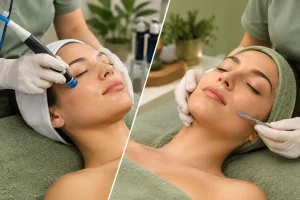
A HydraFacial works best when your skin arrives calm, balanced and ready to respond. If you are wondering how to prepare for hydrafacial treatment, the good news is that preparation is simple – but the details do matter. A few small choices in the days beforehand can help you get that fresh, glowing finish with less chance of sensitivity.
For many clients, the appeal of HydraFacial is that it combines deep cleansing, exfoliation, extraction and hydration in one luxurious treatment. It feels pampering, but it is also results-driven. That means pre-treatment care should be treated with the same attention you would give to any advanced facial. You do not need an elaborate routine. You simply need to avoid anything that leaves the skin overworked before your appointment.
How to prepare for hydrafacial in the week before
The main goal in the week leading up to your treatment is to keep your skin barrier settled. If your complexion is already irritated, flaky or inflamed, the treatment may feel stronger than it should and your therapist may need to adjust parts of the facial.
If you use retinol, prescription retinoids, exfoliating acids or resurfacing products, it is usually wise to pause them for several days beforehand. Exactly how long depends on your skin and the strength of the product. A gentle over-the-counter acid might only need a short break, while prescription-strength skincare may need longer. If you are ever unsure, follow the advice given by your practitioner rather than guessing.
It is also sensible to avoid other treatments that stimulate or resurface the skin shortly before your HydraFacial. Chemical peels, microneedling, laser treatments and strong scrubs can leave the skin sensitised. Stacking active treatments too close together is one of the most common reasons skin feels reactive afterwards. Glowing skin is the aim. Over-processed skin is not.
Sun exposure matters too. If you have been in strong sun, have windburn, or are dealing with any degree of sunburn, it is better to wait until the skin has recovered. A HydraFacial is beautifully refreshing on healthy skin, but not on skin that is already compromised.
What to avoid before a HydraFacial
The simplest answer to how to prepare for hydrafacial appointments is this: do less, not more. Many people make the mistake of trying to “get their skin ready” with extra exfoliation or a last-minute treatment at home. Usually, that only increases the risk of redness.
Avoid facial waxing, threading, depilatory creams and strong exfoliation in the few days beforehand, especially around the treatment area. If you are planning brows or any hair removal on the face, spacing it sensibly from your facial is the more comfortable option.
Try not to introduce new skincare in the days before your appointment either. Even luxurious products can trigger irritation if your skin does not agree with them. The safer approach is to stick with familiar, gentle products – a mild cleanser, a simple moisturiser, and daily SPF.
If you are prone to cold sores and your treatment includes the lip area, let your practitioner know in advance. That does not always mean you cannot have the treatment, but it may affect how the appointment is planned. The same applies if you are pregnant, breastfeeding, using prescription acne medication, or managing a skin condition such as rosacea, eczema or dermatitis. None of these automatically rule out treatment, but they do mean personalisation matters.
The day before and the morning of your appointment
The day before your HydraFacial, keep your skincare quiet and supportive. Cleanse gently, moisturise well and wear SPF if you are outside. Skip exfoliants, masks with active ingredients and anything that leaves your skin tingling. Tingling is not a badge of honour the day before a facial.
On the morning of your appointment, arrive with clean skin if possible, but do not worry if you are coming from work or another engagement and have make-up on. Your therapist will cleanse the skin thoroughly before treatment. What matters more is that you have not applied strong actives, self-tan on the face, or anything likely to interfere with the treatment.
Hydration helps, too. You do not need to follow any dramatic wellness ritual, but drinking enough water and avoiding a dehydrating day of too much caffeine or alcohol can make your skin feel more comfortable. Skin that is dehydrated often looks duller and can feel more reactive.
If you have a special event coming up, timing is worth thinking about. HydraFacial is loved because it gives immediate radiance with little to no downtime, but every skin is different. For a wedding, party or important occasion, having your treatment a few days ahead rather than on the very same day can be the calmer choice. You still enjoy the glow, with a little breathing room just in case your skin flushes slightly.
How to prepare for hydrafacial if you have sensitive or breakout-prone skin
Sensitive skin often does very well with HydraFacial when the treatment is tailored properly, but preparation becomes even more important. Resist the urge to “clear” your skin with harsh spot treatments or scrubs beforehand. That usually leaves blemishes angrier, not quieter.
If you are breakout-prone, keep your routine consistent and avoid picking. Extractions carried out professionally during a HydraFacial are very different from squeezing at home, which can create inflammation and marks. If your skin is feeling particularly congested, mention that when you book so your therapist can advise whether the timing is right.
For clients with sensitivity, barrier support is key. Think gentle cleansing, nourishing moisturiser and diligent SPF. If your skin stings with everyday products, flakes excessively, or is in the middle of an active flare-up, it is better to flag that before the appointment. A personalised approach is part of what makes a luxury treatment feel genuinely caring rather than one-size-fits-all.
What your practitioner needs to know
A well-delivered HydraFacial should never feel rushed. The consultation is there for a reason. It helps your practitioner decide which elements of the treatment are best for your skin on that day.
Before your appointment, be ready to mention any medication, allergies, recent aesthetic treatments, pregnancy, skin conditions or changes in your routine. Even details that seem minor can matter. A new acne prescription, a recent holiday in strong sunshine, or a peel done elsewhere last week can all influence how your skin should be treated.
This is especially important if you have had injectables recently or are planning them soon. The correct spacing between treatments depends on what you have had done and where. When in doubt, ask first. Good skin results are not about squeezing everything in. They are about choosing the right treatment at the right time.
What to bring, and what to expect when you arrive
You do not need to bring much to a HydraFacial appointment. Comfortable clothing, tied-back hair if you prefer, and a little extra time to relax are usually all you need. If you wear contact lenses and your eyes are sensitive during facials, you may prefer to bring your glasses.
Most importantly, arrive ready to be honest about your skin. If it has become irritated, if you have used retinol by mistake, or if you have had unexpected sun exposure, say so. A good practitioner would always rather adjust the treatment than push ahead and compromise your comfort.
At a premium salon setting, the experience should feel both polished and personal. At The Beauty Box Pangbourne, that balance of luxury and expertise is exactly what many clients are looking for – visible results, but delivered with calm, tailored care.
Aftercare starts before the treatment
One of the best ways to prepare is to think ahead to aftercare. If you know your skin will need a gentle few days afterwards, make life easier by planning for that now. Have a simple moisturiser, SPF and a calm routine ready at home. Avoid booking treatments that may irritate the skin immediately afterwards, and if possible do not schedule a sweaty workout straight after your appointment.
Preparation is really about protecting your result. When your skin comes in settled and supported, your treatment can focus on what HydraFacial does beautifully – refining texture, refreshing dullness and leaving the complexion looking cleaner, smoother and more luminous.
If you are ever unsure how to prepare for hydrafacial treatment, ask before your appointment rather than hoping for the best. A thoughtful question now can make all the difference to how your skin looks and feels when you leave – fresh, pampered and quietly glowing.