A moisturiser that once suited your skin perfectly can suddenly feel as though it does very little. Foundation may settle differently, cheeks can feel unexpectedly tight, and a sensitivity you have never known before may appear almost overnight. Menopause skincare is not about chasing a younger face. It is about responding thoughtfully to changing skin, restoring comfort and helping you feel like yourself in the mirror.
For many women, these shifts arrive during perimenopause, sometimes years before periods stop. They can be frustrating, especially when a previously reliable routine begins to cause stinging, congestion or dryness. The good news is that skin can still look luminous, smooth and well cared for. It simply benefits from a more considered approach.
Why skin changes around menopause
Oestrogen plays a meaningful role in how the skin retains moisture, produces supportive collagen and maintains a supple, cushioned appearance. As hormone levels fluctuate and fall, the skin may produce less natural oil and hold less water. It can also become thinner and slower to recover from irritation.
This is why dryness is so common, particularly around the cheeks, eyes, jawline and neck. Fine lines may look more noticeable because dehydrated skin reflects light less evenly. Some women experience flushing or increased sensitivity, while others notice adult breakouts around the chin and lower face. A change in facial hair growth is common too.
There is no single menopause complexion. Skin type, sun exposure, stress, sleep, medication and the products already in use all shape what you see. The aim is not to throw every active ingredient at the problem. It is to protect the skin barrier first, then introduce results-led support at a pace your skin can tolerate.
Menopause skincare begins with barrier care
When skin feels dry or reactive, a complicated routine can make matters worse. A gentle cleanse and a well-formulated moisturiser are often more valuable than a bathroom shelf full of powerful products. Choose a non-stripping cleanser that leaves your skin comfortable rather than squeaky-clean, and avoid very hot water, which can intensify dryness and flushing.
A moisturiser containing humectants, such as hyaluronic acid or glycerin, helps draw water into the upper layers of the skin. Emollients and lipids help soften the surface and reduce moisture loss. Ceramides can be particularly helpful when the barrier feels compromised. If your skin is very dry, a richer cream in the evening may feel more comforting than the lightweight lotion you used previously.
Daily broad-spectrum SPF is equally essential. Hormonal changes do not cause sun damage, but skin that is becoming thinner or more uneven in tone often shows the effects of previous exposure more clearly. A high-factor sunscreen helps protect against further pigmentation and collagen breakdown, while giving your carefully chosen skincare the best chance to work.
Be careful with active ingredients
Retinoids, vitamin C, exfoliating acids and peptides can all have a place in a mature skincare routine, but timing and formulation matter. Retinoids may support smoother texture and the appearance of fine lines, yet they can be irritating when skin is already dry. Start with a lower strength, use it only a couple of evenings each week and apply moisturiser generously.
Acids can brighten dullness, but frequent scrubs, strong peels and layered exfoliants can leave menopause skin feeling tight and inflamed. If you are prone to redness, use exfoliation sparingly and choose professional advice over guesswork. Vitamin C can be a lovely morning addition for brightness and antioxidant support, although sensitive skin may prefer a gentler derivative rather than a highly acidic formula.
Introduce one new active at a time. This makes it far easier to see what your skin enjoys and what it does not. If burning, persistent redness, itching or a rash develops, stop using the product and seek advice from a qualified professional or pharmacist. For sudden or significant skin changes, speak to your GP or a dermatologist.
Professional menopause skincare treatments: what may help
At-home care creates the foundation, while professional treatments can provide focused support for concerns such as dehydration, dullness, congestion, uneven texture and loss of firmness. The right choice depends on your skin’s condition on the day, not simply on your age or a treatment trend.
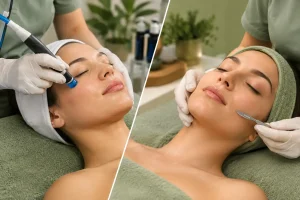
A hydrating facial can be an excellent place to begin when skin feels depleted. Carefully selected cleansing, gentle exfoliation and nourishing masks can leave the complexion calmer and more comfortable, without overloading it. HydraFacial-style treatments may also suit clients who want a fresh, polished glow and clearer-looking pores, provided sensitivity and active rosacea are properly considered first.
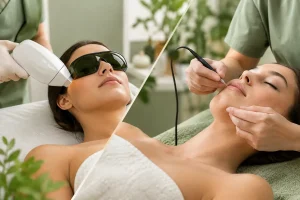
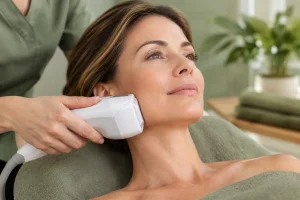
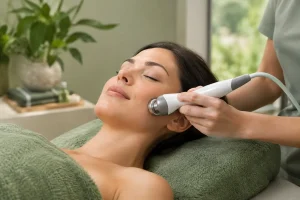
For changes in texture, fine lines or a softer facial contour, collagen-stimulating treatments such as microneedling, radio frequency and HIFU may be appropriate for some clients. These treatments work in different ways and come with different levels of intensity, downtime and suitability. They are not instant fixes, and results build gradually. A thorough consultation is essential, particularly if you have a history of pigmentation, are using prescription skincare, have active inflammation or have recently had injectables or other aesthetic procedures.
The most luxurious treatment is not automatically the right one. A tailored plan may include a course of advanced treatments, or it may begin with a gentle skin reset and a consistent home routine. At The Beauty Box Pangbourne, the focus should always be on an honest assessment, immaculate treatment standards and skin that looks refreshed rather than overworked.
A routine that feels realistic
Consistency is more useful than perfection. In the morning, cleanse gently if needed, apply a hydrating or antioxidant serum, moisturise and finish with SPF. In the evening, remove make-up and sunscreen thoroughly, use your chosen treatment product on selected nights, then apply a replenishing moisturiser.
If your skin is particularly sensitive, simplify further. A gentle cleanser, barrier-supporting cream and daily SPF can be enough for a few weeks while the skin settles. Once comfort returns, you can introduce one targeted product. This slower approach is not less effective. It is often what allows skin to become more resilient.
Lifestyle also deserves a place in the conversation, without becoming another impossible checklist. Hot flushes and disrupted sleep can leave skin looking tired; alcohol and spicy food can aggravate flushing for some women; and smoking accelerates collagen loss. Regular movement, hydration, nourishing food and sleep support can all contribute to how you feel in your skin. But menopause is individual, and you do not need to earn good skin through perfection.
Confidence is the result worth pursuing
Menopause can bring a period of adjustment, but it can also be a chance to become more discerning about what your skin truly needs. Rather than masking discomfort with heavier make-up or buying ever stronger products, choose care that feels soothing, intelligent and personal.
Make space for treatments that offer both visible refinement and a moment to be looked after. With patient barrier care, thoughtful professional guidance and realistic expectations, your skin can retain the glow, softness and confidence that make self-care feel worthwhile.