Some massages leave you floating. Others leave you feeling as though a knot you have carried for months has finally given up. When clients ask about swedish massage vs deep tissue, they are usually not asking for a textbook definition – they want to know which one will help them feel better, more comfortable in their body, and genuinely cared for.
That is where the real difference lies. Both treatments can be deeply beneficial, but they are designed for slightly different outcomes. One leans more towards relaxation and gentle restoration, while the other is more focused on tension patterns, muscular tightness and deeper physical release. Neither is inherently better. The right choice depends on how your body feels now, how much pressure you enjoy, and what you want to walk away with afterwards.
“There is no rule that says you have to choose one forever.”
Swedish massage vs deep tissue: the core difference
At first glance, these two treatments can seem quite similar. Both involve hands-on massage, both can ease discomfort, and both can help you feel more balanced. The distinction comes down to technique, pressure and intent.
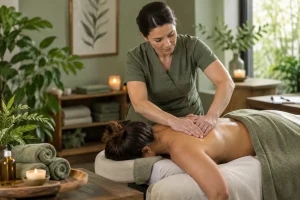
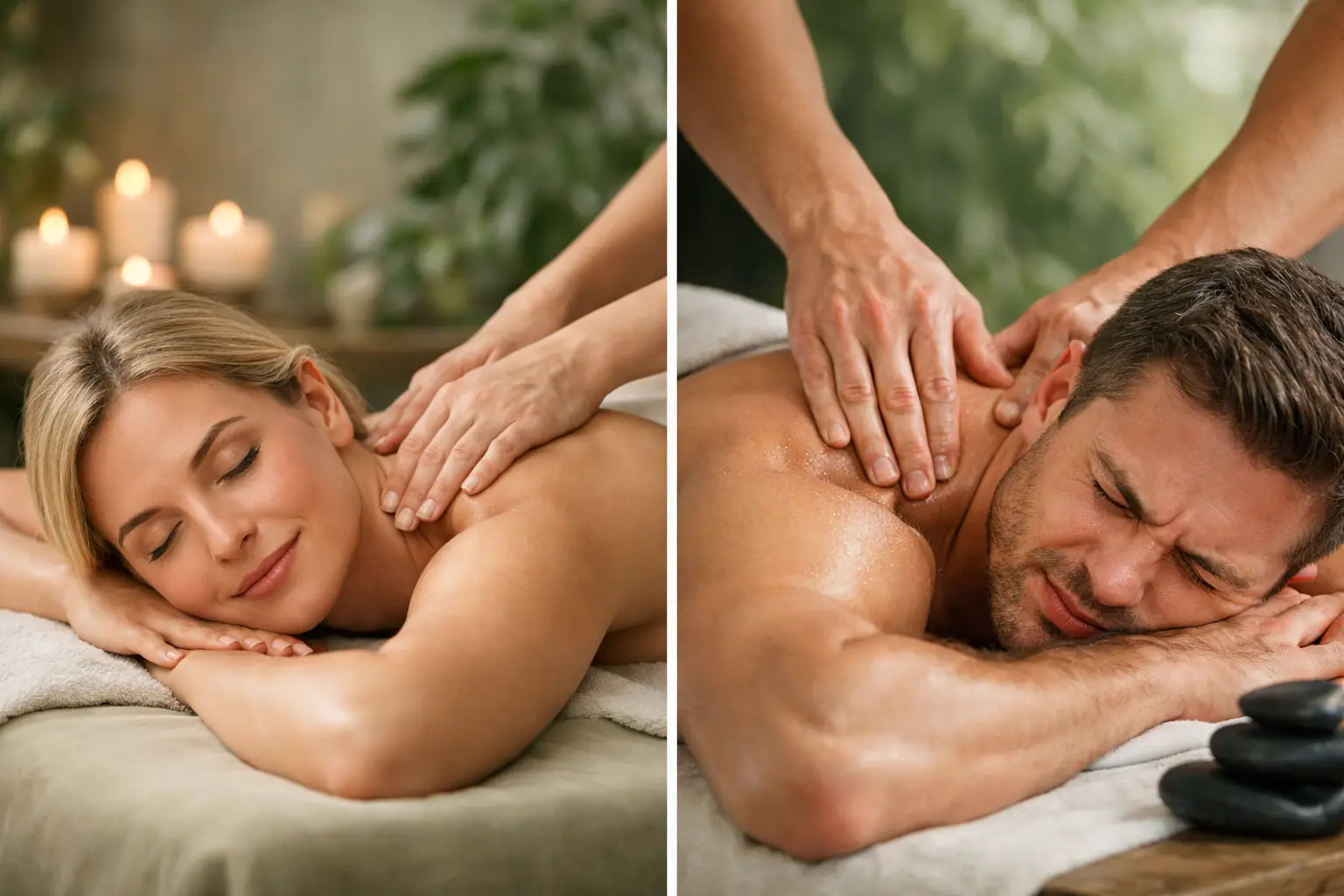
Swedish massage is typically the softer, more flowing option. It uses long gliding strokes, kneading and rhythmic movements that encourage the body to relax. It is often chosen by clients who want to de-stress, feel pampered and enjoy a sense of calm from head to toe. If your shoulders feel raised from a busy week, your mind will not switch off, or you simply want time to unwind in a peaceful setting, Swedish massage is often the natural fit.
Deep tissue massage works more directly into layers of muscle and connective tissue where chronic tightness tends to sit. The pressure is usually firmer and more targeted. Rather than creating an all-over drifting sensation, it focuses on specific areas that feel restricted, sore or overworked. This can be particularly helpful if you carry persistent tension in the neck, upper back, lower back or legs.
The simplest way to think of it is this: Swedish massage is usually about calming the nervous system and relaxing the whole body, while deep tissue is usually about releasing more stubborn muscular tension.
How Swedish massage feels
A good Swedish massage should never feel rushed or mechanical. It is designed to soothe, soften and settle. The movements are generally smooth and flowing, and the pressure can be adjusted, but it tends to stay within a comfortable range. Many clients describe it as the kind of treatment that helps them feel lighter, quieter and more rested.
This makes it ideal for anyone who feels mentally overloaded or physically tired without one very specific problem area. It can also be a lovely choice if you are newer to massage and want to start with something gentler. For many women balancing work, family life and endless mental lists, this style of massage offers a rare pause – a chance to be looked after properly and leave feeling reset.
It is also worth saying that gentle does not mean ineffective. Swedish massage can improve circulation, reduce general muscle tension and support better sleep. Sometimes the body does not need more pressure. Sometimes it needs less, delivered skilfully.
How deep tissue massage feels
Deep tissue massage is more deliberate. Your therapist may work slowly through tight areas, using firmer pressure and more focused techniques to address bands of tension and muscle adhesions. You may notice moments of tenderness, especially where the body has been holding stress for a long time.
That said, deep tissue should not feel punishing. There is a common misconception that the more painful the massage, the better the result. In reality, too much pressure can make the body tense up further, which defeats the point. Effective deep tissue work is purposeful, controlled and responsive to your comfort level.
This style of massage is often chosen by clients who know exactly where they hold tension. Perhaps your shoulders ache after long hours at a desk, your lower back feels tight from daily strain, or your legs are heavy after training or standing for long periods. Deep tissue can be particularly rewarding when you want more than relaxation and are hoping for a noticeable sense of release in a specific area.
Which massage is better for stress?
If stress is showing up as mental fatigue, poor sleep, restlessness or that familiar feeling of never fully switching off, Swedish massage is often the better choice. Its pace and style are beautifully suited to relaxation. It encourages the body to move out of that wired, braced state and into something calmer.
If stress shows up physically – clenched jaws, tight shoulders, headaches linked to tension, a back that always feels slightly seized – deep tissue may be more useful. In these cases, emotional stress has often settled into the muscles, and a more targeted approach can help release what the body has been carrying.
This is why there is not a universal answer. Two people can both say they are stressed and need completely different treatments.
Which massage is better for pain and tight muscles?
For general aches and everyday tension, either treatment may help, depending on the intensity of the discomfort. If your body feels mildly stiff and you mostly want to feel restored, Swedish massage can be enough.
If the tension is deeper, more localised or has been building for some time, deep tissue is usually the stronger option. It is often chosen for recurring tightness in the neck, shoulders, back and calves, especially when those areas feel dense or limited in movement.
However, deeper is not always more appropriate. If an area is inflamed, highly sensitive or painful to the touch, your therapist may recommend a lighter approach first. Skilled massage is always tailored. The aim is to help the body, not overwhelm it.
Swedish massage vs deep tissue for your first appointment
If this is your first massage in quite a while, or your first professional massage full stop, Swedish massage tends to feel more approachable. It allows you to settle into the experience, understand how your body responds, and enjoy the confidence that comes with being in expert hands.
Deep tissue can still be a good first choice if you are seeking help for a very specific tension issue and are comfortable with firmer pressure. The important part is communication. A thoughtful therapist will guide you, check pressure throughout and adapt the treatment to your body rather than forcing a fixed routine.
At a luxury salon, that personalisation matters. Massage should never feel generic. Your treatment ought to reflect your stress levels, pressure preference, lifestyle and any areas of concern so that the result feels considered, not standardised.
What about after-effects?
Swedish massage often leaves clients feeling sleepy, calm and pleasantly loose. It is the kind of treatment after which a quiet evening, a warm shower and an early night feel especially appealing.
Deep tissue can leave you feeling wonderfully released, but there may also be some mild tenderness afterwards, particularly if the muscles were very tight to begin with. This is usually short-lived. Drinking water, moving gently and giving the body time to settle can help.
If you have an important event, a demanding workout or a packed day immediately afterwards, it is worth bearing that in mind. Swedish massage is usually the safer option when you want immediate relaxation with minimal after-effects. Deep tissue is often best when you can give your body a little space to respond.
How to choose the right massage for you
The best choice comes down to your goal. If you want calm, comfort and full-body relaxation, Swedish massage is likely to suit you beautifully. If you want firmer pressure and focused work on persistent tension, deep tissue may be the better investment.
It can help to ask yourself a few simple questions. Do you want to drift off and unwind, or do you want a therapist to work into one or two problem areas? Do you usually enjoy lighter touch, or do you find yourself asking for more pressure? Is your body tired in a general sense, or is there a particular spot that feels tight every day?
For many clients, the answer changes over time. The massage that suits you during a stressful, sleep-deprived month may be very different from the one you want after weeks of shoulder tension or post-gym soreness. There is no rule that says you have to choose one forever.
At The Beauty Box Pangbourne, that is part of what makes massage feel truly luxurious – it can be tailored to where you are now, not where you were six months ago.
When a tailored approach matters most
There are times when the line between these treatments is less rigid than it sounds. Some clients want the serenity of a Swedish massage with a little extra attention through the shoulders. Others want deep tissue work on the back but prefer a gentler touch elsewhere. That blend can often create the most satisfying result.
This is why consultation is so valuable. A polished, professional treatment is not just about lovely surroundings, premium oils or a peaceful room, though those details certainly matter. It is also about being listened to. Your comfort, your pressure preference and your goals should shape the session.
The most effective massage is rarely the trendiest or the toughest. It is the one that meets your body with the right level of skill, care and intention.
If you are deciding between Swedish and deep tissue, think less about what sounds impressive and more about what would feel genuinely supportive right now. The best treatment is the one that leaves you walking out lighter, calmer and more at home in your body.